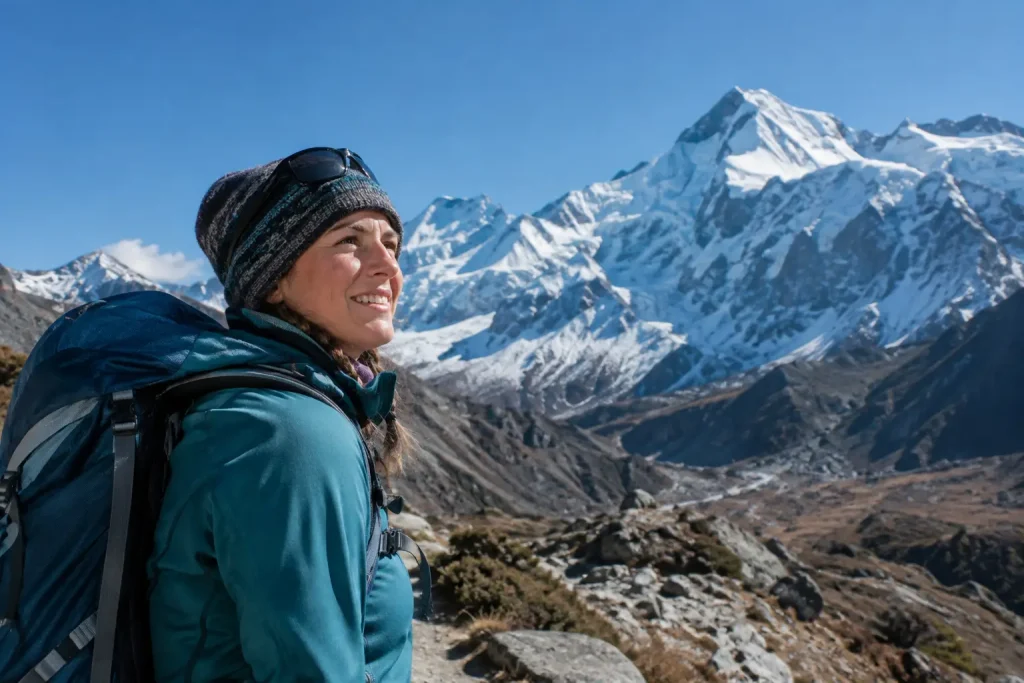
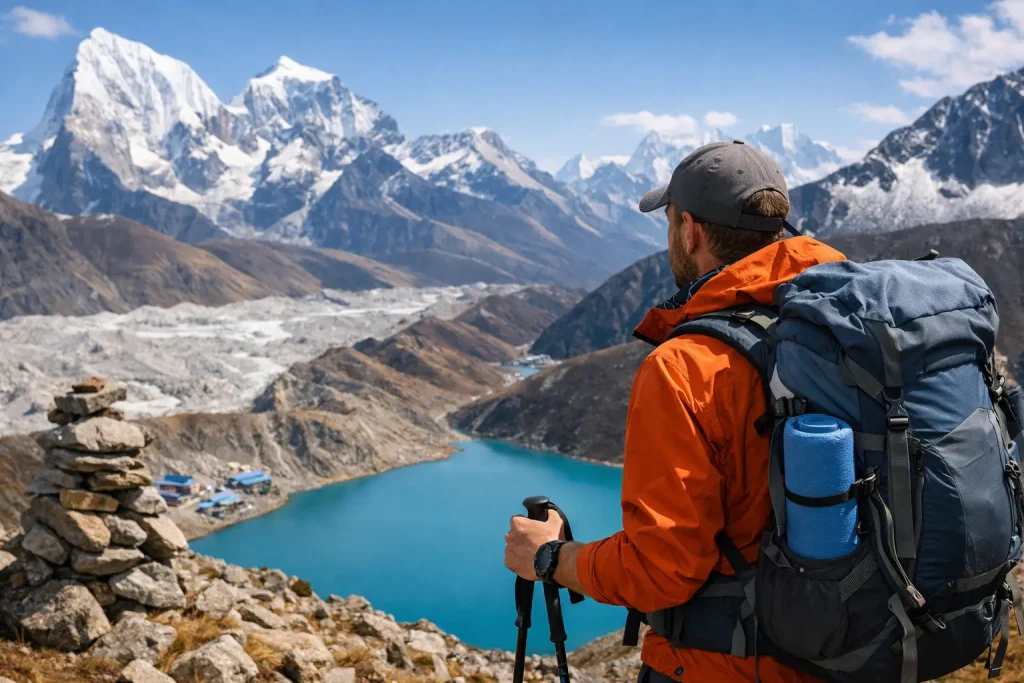
The question of Langtang trek after earthquake safety deserves a direct answer: the trek is widely completed today, the main route and villages have been rebuilt, and the valley is again a functioning trekking destination. But it is not safe because the 2015 earthquake has been forgotten. It is safe when trekkers recognize that Langtang remains a high-altitude Himalayan route with changing weather, landslide exposure, limited medical access, and a serious need for sensible acclimatization.
The earthquake and avalanche of April 2015 caused devastating loss in Langtang Valley, including the destruction of Langtang Village. Since then, local communities have rebuilt homes, tea houses, trails, bridges, and trekking services. Visiting responsibly supports a valley whose recovery has been led by the people who live there. It should also encourage careful preparation rather than complacency.
Langtang Trek After Earthquake Safety Today
The standard Langtang Valley Trek normally begins with a drive from Kathmandu to Syabrubesi, then follows the Langtang Khola through Lama Hotel, Langtang Village, Mundu, and Kyanjin Gompa. Most trekkers return by the same route. The core trail is well established, and accommodation is available in the main overnight stops.
Reconstruction has improved the practical experience for trekkers, but mountain infrastructure is never permanent. A bridge can be damaged by monsoon flooding. A landslide can temporarily reroute a section of trail. Road conditions between Kathmandu and Syabrubesi can change after heavy rain. Conditions reported by a traveler several months ago should not be treated as a guarantee for your departure date.
Before leaving Kathmandu, verify current road access, trail status, weather forecasts, permit requirements, and accommodation availability with a reliable local operator, guide, or the relevant trekking authorities. This is particularly important after a major storm, earthquake, or unusually heavy winter snowfall.
What Risks Still Matter Most?
For most visitors, the main risks are not lingering damage from the 2015 earthquake. They are the normal hazards of trekking in the Nepal Himalaya: altitude illness, unstable weather, falling rocks, landslides, slips on wet or icy paths, and delays far from medical care.
Landslides and falling rock
The lower valley is steep and narrow in places. During the monsoon, prolonged rain can loosen slopes, cause rockfall, and wash out sections of road or trail. Even outside monsoon, avoid lingering below visibly unstable cliffs or in active rockfall gullies. Move steadily through exposed sections, keep space between group members, and follow local instructions if a route has been altered.
The drive to Syabrubesi is often more demanding than trekkers expect. Mountain roads can be slow, uneven, and affected by weather. Build at least one flexible day into your itinerary so a road delay does not force you to rush acclimatization or miss an international flight.
Earthquakes and aftershocks
Nepal is seismically active, and no trekking region can promise zero earthquake risk. The practical response is preparedness, not speculation. Know where open ground is around your lodge, keep shoes, a warm layer, water, and headlamp accessible at night, and follow local authorities and lodge staff if an earthquake occurs.
Do not rely on social media rumors during an emergency. Local guides, lodge owners, park personnel, and official notices are more useful sources for immediate decisions about evacuation or route closures.
Altitude illness
Kyanjin Gompa sits at roughly 12,000 feet (3,870 meters), and popular day hikes reach much higher. Kyanjin Ri and Tserko Ri are excellent viewpoints, but they are not casual add-ons. A fast ascent, poor hydration, alcohol, or a schedule with no rest day can turn a rewarding trek into an avoidable altitude problem.
Plan gradual elevation gain and spend at least two nights near Kyanjin if your itinerary allows. The second day should be used for a higher hike followed by sleep at the same elevation. This approach helps acclimatization and gives you a weather buffer.
Headache, nausea, unusual fatigue, dizziness, and poor sleep can be early signs of acute mountain sickness. Stop ascending if symptoms develop. If symptoms worsen or include confusion, loss of coordination, breathlessness at rest, or a persistent wet cough, descend immediately and seek medical help. Fitness does not protect a person from altitude illness.
Choose the Right Season for Safer Conditions
October through November and March through April are generally the most dependable periods for the Langtang Valley Trek. These seasons often bring clearer skies, more predictable daytime walking conditions, and active tea houses. They can also be busy, so book or communicate ahead during peak weeks.
Winter can work for experienced and properly equipped trekkers who accept cold mornings, snow and ice, and possible disruption above Langtang Village. Microspikes may be useful when trails are icy, but they do not replace sound judgment. Higher side hikes may be unsuitable after fresh snow or in poor visibility.
Monsoon, usually from June through September, is the least favorable period for travelers prioritizing trail and road reliability. The valley becomes green and quieter, but rain, leeches in lower areas, cloud cover, landslides, and transport delays become more likely. If monsoon is your only travel window, use a conservative itinerary and be ready to change plans.
A Practical Safety Plan Before You Go
Travel insurance should specifically cover trekking at your planned maximum elevation and emergency helicopter evacuation in Nepal. Many basic policies exclude high-altitude trekking or set an elevation limit below Kyanjin Gompa and its viewpoints. Confirm coverage in writing before buying flights.
Carry enough cash from Kathmandu or Syabrubesi. Tea houses may accept digital payment at times, but connectivity and power are not guaranteed. Bring a basic first-aid kit, prescription medication, water treatment method, sunscreen, lip protection, warm layers, rain protection, and a headlamp. The temperature can drop quickly once the sun leaves the valley.
A local SIM card can help in some parts of the route, but service is variable. Tell someone outside your group your itinerary, planned return date, and emergency contact details. If you are trekking independently, be especially disciplined about checking trail updates and avoiding isolated detours.
Do You Need a Guide?
A guide is not a substitute for fitness, insurance, or good decision-making, but guided support can materially improve safety. A qualified local guide can interpret weather and trail conditions, arrange lodging, recognize early altitude concerns, manage communications during a delay, and adjust the plan without turning a problem into an emergency.
This is particularly valuable for first-time Nepal trekkers, solo travelers, families, and anyone visiting in winter or monsoon. Trekking regulations and enforcement practices can change, so confirm the current rules for guides, TIMS documentation, and Langtang National Park permits before departure.
Independent trekkers with Himalayan experience may find the main route straightforward in stable peak-season conditions. Even then, self-sufficiency means more than following a visible trail. It means carrying the right gear, allowing extra days, knowing when to descend, and being prepared for a disrupted road or changing weather.
Respectful Trekking Is Part of Safety
The Langtang Valley is not simply a route that reopened after a disaster. It is home to Tamang communities whose families, businesses, and cultural landscape were deeply affected by the earthquake. Stay in local lodges, listen to local guidance, and avoid treating damaged areas or memorial sites as photo backdrops.
Use refillable bottles where possible, pack out non-biodegradable waste, and do not pressure lodge staff for services that weather or supply conditions make impractical. These small choices reduce strain on a remote valley and help maintain the trekking infrastructure everyone depends on.
A safe Langtang trek is built on current information, a realistic itinerary, and the willingness to turn around when conditions demand it. Arrive prepared, give yourself extra time, and let the mountains set the pace.