A helicopter evacuation from a Himalayan trail can cost several thousand dollars, and the decision is often made when you are exhausted, sick, or unable to descend safely. That is why understanding what insurance covers helicopter evacuation should be part of trek planning, not a detail left until the airport. For Nepal treks, the right policy is usually travel medical insurance with emergency medical evacuation coverage, but the wording matters far more than the headline benefit amount.
What insurance covers helicopter evacuation on a Nepal trek?
Travel medical insurance is the primary type of policy that can cover helicopter evacuation. A suitable plan typically pays for emergency transport from the trail to the nearest appropriate medical facility when a qualified medical professional determines that evacuation is medically necessary.
On routes such as Everest Base Camp, Gokyo Lakes, Langtang, Mardi Himal, or Manaslu, that transport may be a helicopter because roads are unavailable or too distant. Coverage can include the helicopter flight, coordination through the insurer’s emergency assistance team, and transport to a hospital in Kathmandu. Depending on the policy, it may also cover onward transport to your home country if local treatment is inadequate.
The critical distinction is medical necessity. Insurance is designed to pay when altitude illness, injury, acute illness, or another medical condition makes continued trekking or normal descent unsafe. It is not a general transportation benefit for people who are tired, behind schedule, uncomfortable with the weather, or simply ready to leave the trail.
Travel medical insurance versus evacuation membership
Some trekkers buy an emergency evacuation membership from an assistance organization. These plans can be useful, particularly when they provide round-the-clock coordination and high evacuation limits. However, they do not always replace travel medical insurance.
An evacuation membership may focus on transport, while travel medical insurance can cover hospital treatment, doctor visits, medication, trip interruption, and other expenses following the evacuation. Read both policies closely if you combine them. You need to know which provider authorizes the helicopter, who pays the operator, and whether either plan excludes trekking at your planned altitude.
A standard US health insurance plan is rarely enough. Many domestic plans provide limited or no coverage outside the United States, and even international medical benefits may not include mountain rescue, helicopter transport, or assistance coordination in Nepal.
The policy details that decide whether you are covered
Two policies can both advertise emergency evacuation benefits and produce very different outcomes in the Himalaya. Before purchasing, check the policy certificate rather than relying on an insurance comparison page.
Altitude and trekking limits
This is the first issue for high-altitude trekking. Many insurers cover hiking only below a stated elevation, such as 15,000, 18,000, or 20,000 feet. A policy that covers evacuation at 15,000 feet may be unsuitable for Everest-region routes, where lodges and passes can sit well above that level.
Also check how the insurer defines trekking. Some policies cover guided trekking on established trails but exclude mountaineering, climbing, glacier travel, technical equipment, or expeditions above a certain altitude. A straightforward trek to Everest Base Camp is not technical climbing, but you should never assume the insurer sees every route the same way you do.
If you plan to cross a high pass, climb a trekking peak, or use ropes, crampons, or an ice axe, request written confirmation of coverage. The activity description matters as much as the destination.
Medical evacuation limits
Look for an evacuation benefit high enough to handle helicopter transport and emergency care in Nepal. A low limit can be quickly consumed by a remote rescue, hospital treatment, and medical transfer. Many experienced trekkers look for at least $100,000 in emergency evacuation coverage, while higher limits provide a stronger margin for complicated cases or repatriation.
The limit alone is not a guarantee. Confirm that it covers search and rescue or only medical evacuation. Search costs may arise if a trekker is missing or cannot be located, while evacuation begins after the person has been found and assessed. In many real trail emergencies, the services overlap, so clear search-and-rescue wording is valuable.
Pre-existing conditions and age rules
A condition that existed before travel may be excluded, subject to a waiting period, or covered only if the insurer grants a pre-existing condition waiver. This can be especially relevant for heart, lung, neurological, and mobility conditions that may be affected by altitude or exertion.
Do not assume altitude sickness itself is a pre-existing condition. It is generally an acute illness that develops during the trek. But if a related condition contributes to the emergency, the insurer may review your medical history. Disclose information accurately and ask questions before buying, particularly if you have ongoing medical treatment or have previously experienced severe altitude illness.
Age limits can also affect both eligibility and premiums. Travelers in their 60s and 70s should verify the policy’s activity and altitude rules rather than assuming a general travel policy applies without restriction.
What helicopter evacuation insurance usually does not cover
The most common denials arise from exclusions, not from the absence of an evacuation benefit. Policies vary, but these situations frequently create problems:
- A helicopter ride taken for convenience rather than a documented medical emergency.
- Trekking above the policy’s stated altitude or taking part in an excluded activity.
- Rescue after alcohol or drug use contributed to the incident.
- Claims connected to undeclared medical conditions or inaccurate information on the application.
- Evacuation arranged without contacting the insurer when contacting them was reasonably possible.
Weather also creates a practical limitation. Insurance may authorize an evacuation, but helicopters cannot fly safely in poor visibility, high winds, or late-day mountain weather. Coverage pays for eligible services; it does not make an aircraft available on demand. You may need to descend with support, stay overnight, or wait for conditions to improve.
How evacuation works in Nepal when altitude illness strikes
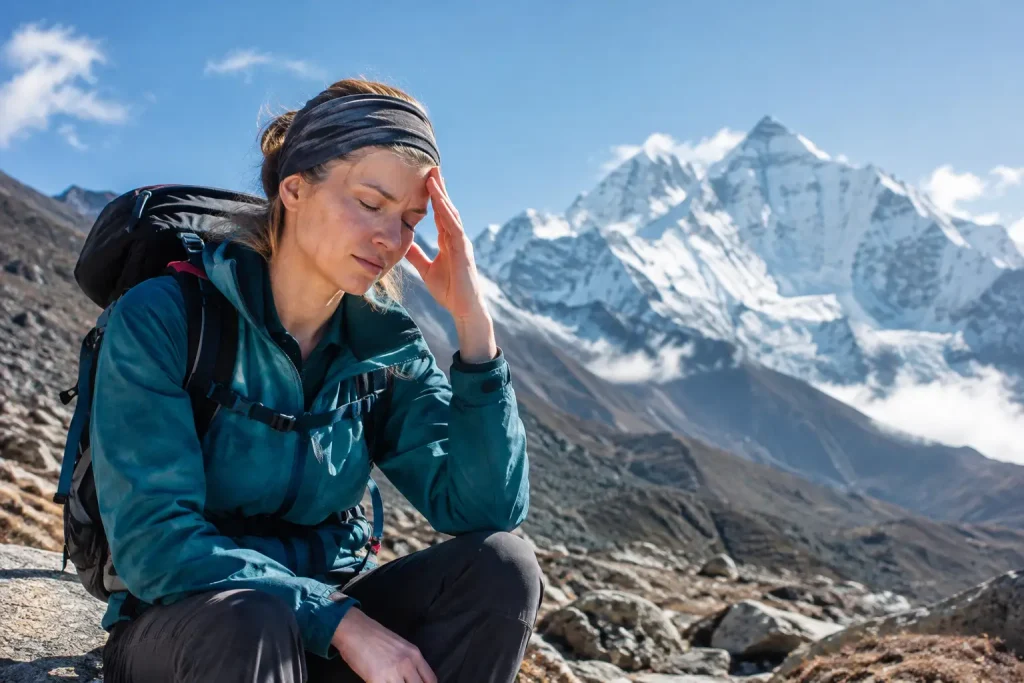
If a trekker develops serious symptoms of acute mountain sickness, high-altitude cerebral edema, high-altitude pulmonary edema, injury, or another urgent condition, the first priority is medical assessment and descent. Your guide, lodge staff, local clinic, or trekking agency may contact the insurer’s emergency assistance number and provide the location, symptoms, altitude, and treating clinician’s recommendation.
The insurer or assistance provider typically authorizes the helicopter and coordinates payment with the operator. In a rapidly deteriorating emergency, local teams may need to act first. Keep the insurer’s 24-hour number saved offline, share your policy information with your trekking partner or guide, and carry a printed copy as a backup.
A reputable guide can help communicate the urgency of a situation, but a guide cannot guarantee that your claim will be paid. The insurer makes the coverage decision. This is one reason to use a policy that clearly permits your route and altitude before you start walking.
Helicopter rescue should not replace acclimatization. Build rest days into your itinerary, ascend gradually, recognize warning signs early, and be willing to descend before symptoms become severe. The best evacuation plan is one you never need, but the right insurance gives you options when descent on foot is no longer safe.
Questions to ask before you buy
Ask the insurer directly whether your specific trek is covered, including its maximum sleeping altitude and any high passes. Ask whether helicopter evacuation for altitude illness is covered, whether the plan includes search and rescue, and whether evacuation must be pre-approved.
You should also ask whether the policy pays providers directly or reimburses you later. A large reimbursement benefit is less useful if you may be asked to advance substantial money during an emergency. Request answers in writing and keep them with your policy documents.
For trekkers arranging logistics through Radiant Treks or another Nepal operator, provide your insurance certificate before departure. It helps the ground team confirm that you carry appropriate evacuation coverage and gives them the information needed to contact assistance services if an emergency occurs.
A carefully chosen policy is not just another booking requirement. It is a practical decision that protects your ability to get off the mountain quickly when health, weather, and distance leave no easy alternative.