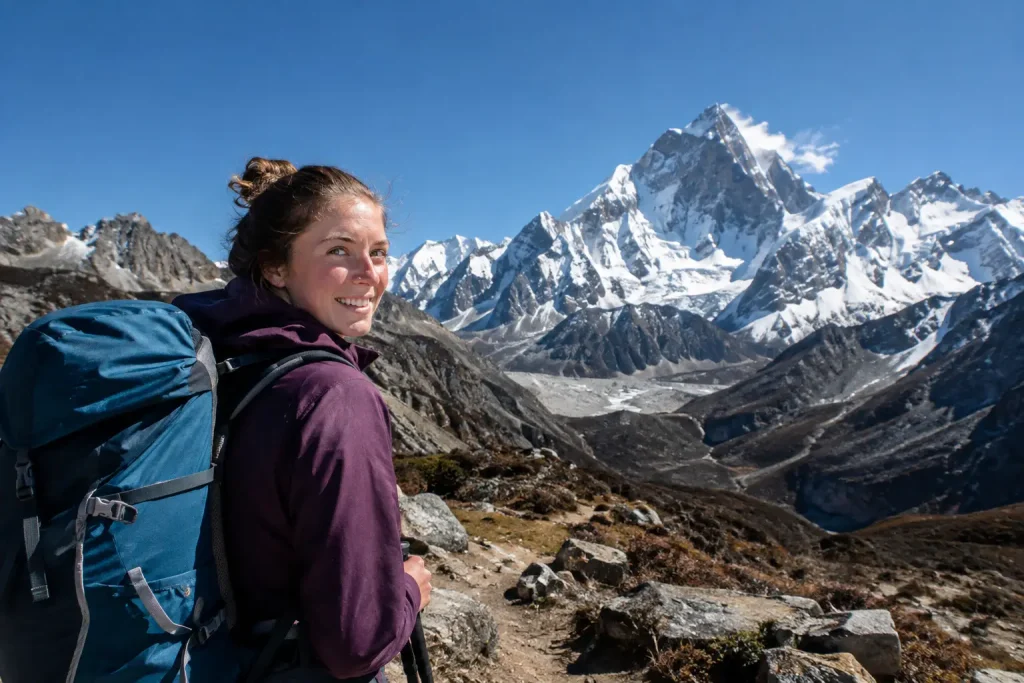
Birendra Lake is one of the easiest and most worthwhile short walks from Manang, but its setting demands more respect than its distance suggests. The lake sits below the Gangapurna Glacier at roughly 11,800 feet (3,600 meters), where cold glacial water, loose moraine, and high-altitude weather are part of the experience.
For Annapurna Circuit trekkers, it is best treated as a light acclimatization outing rather than a major destination hike. A visit can add variety to a rest day in Manang while helping you spend time at elevation before heading toward Thorong La Pass.
Where Is Birendra Lake?
Birendra Lake, also called Birendra Tal, lies near Manang village in Nepal’s Annapurna region. It is a glacial lake formed by meltwater from the Gangapurna Glacier, beneath the imposing Gangapurna massif. From much of Manang, the lake is visible as a small blue-green body of water below the glacier and moraine slopes.
Do not confuse it with Tilicho Lake. Tilicho is a much higher, more demanding destination requiring a separate side route and several additional trekking days. Birendra Lake is close to Manang and can usually be visited in a few hours.
Why Visit Birendra Lake From Manang?
The main reason to visit is not to add a difficult hike. It is to make productive use of your acclimatization time in Manang. Most Annapurna Circuit itineraries include at least one rest or acclimatization day here because the next stages gain elevation quickly and lead toward Thorong La, which rises to 17,769 feet (5,416 meters).
A gentle walk to the lake gives your legs movement without adding heavy fatigue. It also provides a close view of a Himalayan glacier and the dramatic valley landscape around Manang. On clear days, the contrast between the pale moraine, deep blue water, and snow-covered peaks makes this a rewarding short excursion.
That said, walking to Birendra Lake does not replace proper acclimatization. Your body benefits from a gradual itinerary, hydration, adequate calories, sleep, and sensible daily elevation gains. A short outing is useful only when it fits within that broader plan.
How Long Does the Walk Take?
The exact route and starting point vary, but most trekkers can reach Birendra Lake in about 30 to 60 minutes each way from central Manang. Allow two to three hours total if you want time for photographs, a relaxed pace, and a safe return before afternoon weather changes.
The path is generally straightforward, but conditions can change after rain, snow, or periods of glacier melt. Expect uneven ground, dusty trails, stones, and sections near moraine terrain. Trekking shoes or boots with reliable grip are more appropriate than casual sneakers.
Because Manang is already at high elevation, even this short walk can feel more strenuous than its distance suggests. Keep your pace deliberately slow, especially if you arrived from Lower Pisang or Ngawal the day before.
Birendra Lake Altitude and Acclimatization
Manang sits at approximately 11,500 feet (3,519 meters), and Birendra Lake is only slightly higher. The lake itself is not a major altitude gain, but the altitude of the entire area matters.
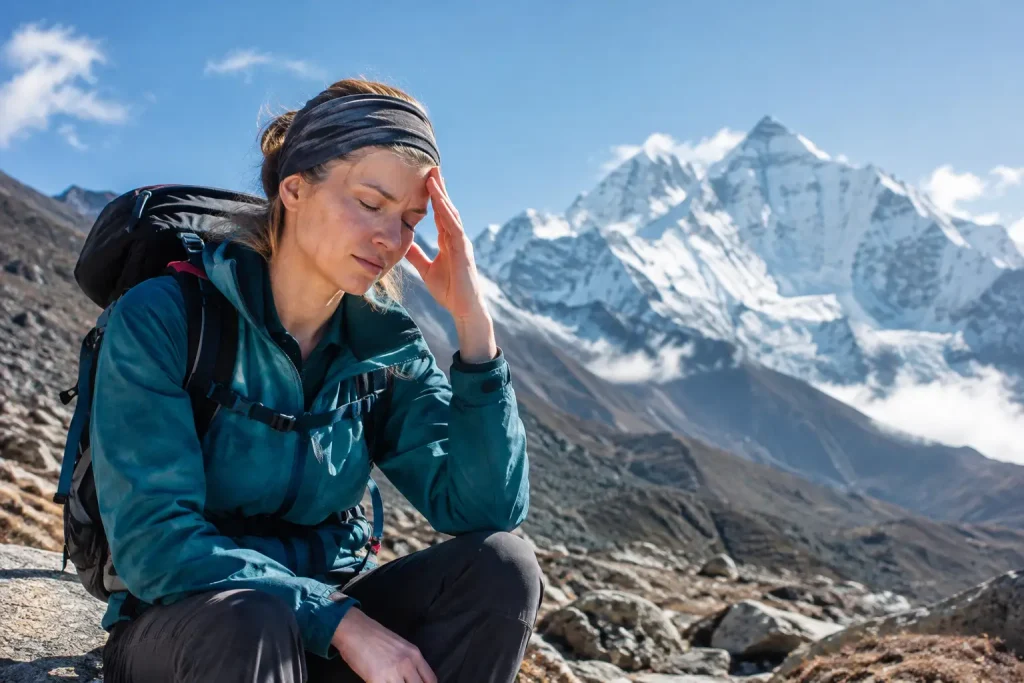
Watch for symptoms of acute mountain sickness: headache, nausea, loss of appetite, unusual fatigue, dizziness, or poor sleep. A mild headache can occur at this elevation, but symptoms that worsen with activity should not be ignored. Do not continue upward toward Yak Kharka or Thorong Phedi if you are sick, and never use a side walk to push through worsening symptoms.
A stronger acclimatization plan in Manang often combines easy exploration with a higher daytime hike, such as a route toward Gangapurna Lake viewpoints, Chongkor Viewpoint, or Praken Gompa, followed by sleeping back in Manang. The right choice depends on how you feel, your recent elevation gains, and the advice of an experienced guide.
Safety Around Birendra Lake and the Glacier
Birendra Lake is beautiful, but it is not a place for casual risk-taking. The water is glacier-fed and extremely cold. Avoid swimming, wading, or attempting to walk onto ice near the shore. Cold-water shock, unstable edges, and submerged debris can turn a simple mistake into an emergency.
Stay on established paths and give moraine slopes a wide berth. Rockfall, shifting stones, and unstable ground are possible around glacier-fed terrain, particularly during warmer parts of the day. Weather can also change rapidly in Manang, bringing strong wind, cloud, or snow outside the main trekking seasons.
Carry water, a windproof outer layer, sunscreen, sunglasses, and a basic first-aid kit. Even for a short walk, tell someone at your lodge where you are going and when you expect to return. If visibility drops or conditions look unstable, turn back.
Best Time to Visit Birendra Lake
October and November usually offer the clearest skies, stable trekking conditions, and excellent mountain views. March through May is also a good period, with warmer days and increasingly active trekking traffic in Manang.
Winter visits are possible, but snow and cold can affect access and the wider Annapurna Circuit route. During the monsoon months, from roughly June through September, clouds often limit views and rain can make trails slick. The Manang Valley lies in a rain-shadow area, so it receives less rain than southern Nepal, but monsoon weather still affects trail conditions and flight or road logistics.
Fit Birendra Lake Into a Sensible Annapurna Circuit Plan
Visit Birendra Lake after checking in at Manang or on an easier acclimatization morning. Do not rush there immediately after a long day from Pisang if you are tired, dehydrated, or developing altitude symptoms. The lake will still be there the next day; your condition before Thorong La matters more.
For trekkers arranging a guided Annapurna Circuit, a local guide can help choose the most appropriate Manang acclimatization walk based on weather, trail conditions, and your response to altitude. Birendra Lake is a small stop on a large route, but used wisely, it can make your Manang rest day safer, more active, and far more memorable.