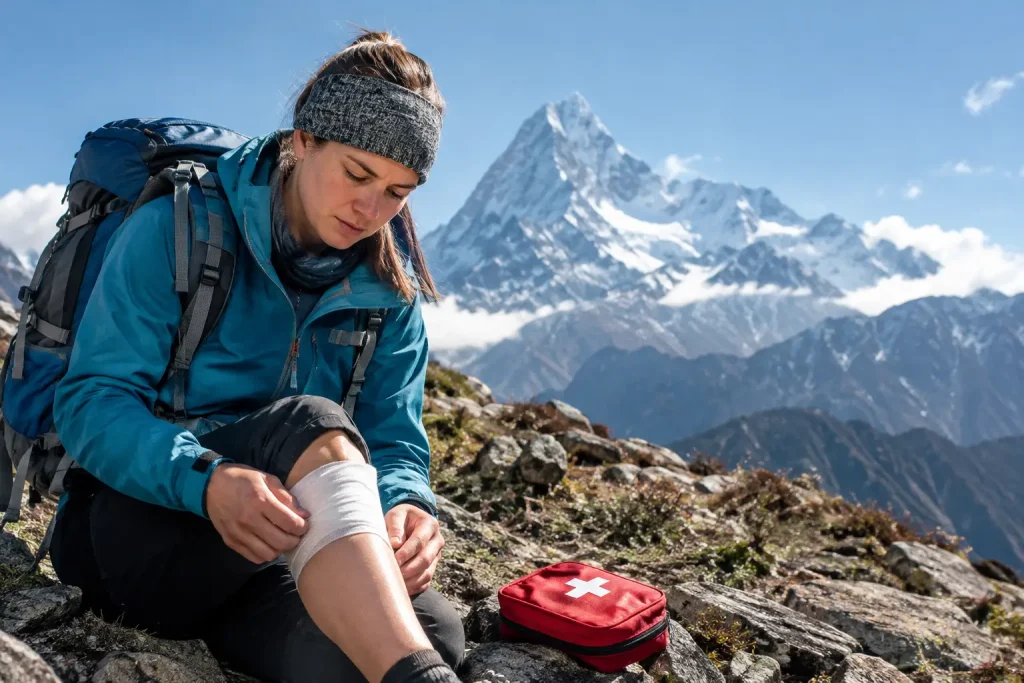
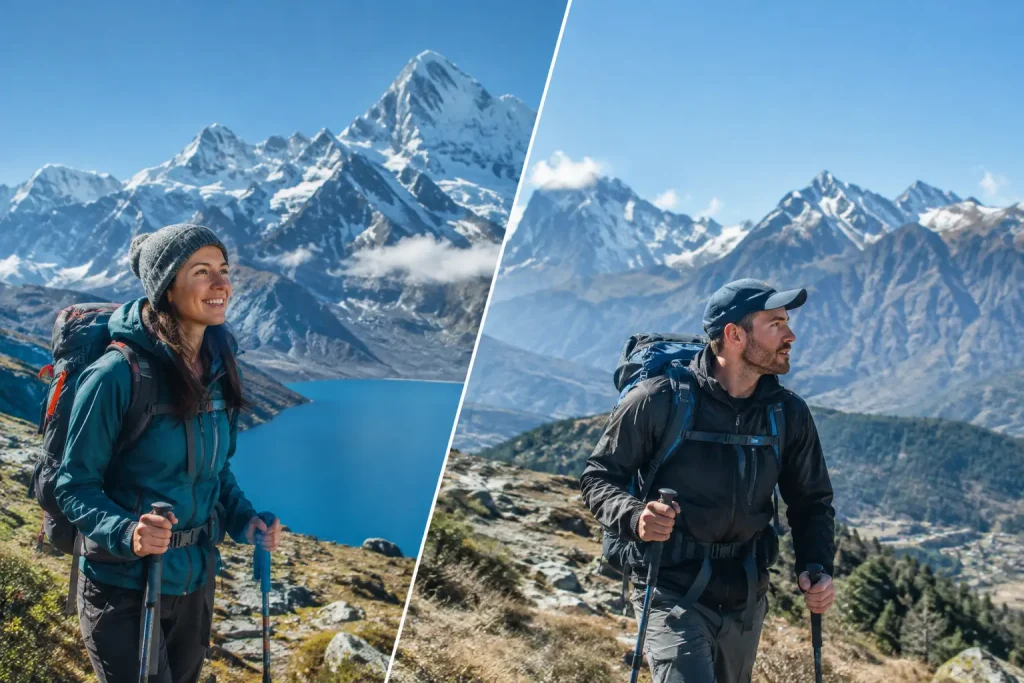
A guide and a porter can both make a Nepal trek easier, but they solve very different problems. Understanding guide porter differences before you book affects your safety margin, budget, daily comfort, and the kind of support you will have if weather, altitude, or logistics change unexpectedly.
For a short, well-marked route at moderate elevation, a porter may be all you need. For a high-altitude trek, a remote route, or a first Himalayan trip, a qualified guide often provides value that goes far beyond showing the way. The right choice depends on your experience, fitness, itinerary, and willingness to manage decisions independently.
Guide vs. porter: the basic difference
A trekking guide is responsible for leading and supporting the trek. A porter is primarily responsible for carrying luggage. This sounds straightforward, but the distinction matters most when something does not go according to plan.
A guide should understand the route, local conditions, teahouse logistics, permit procedures, weather patterns, and basic altitude response. On an organized trek, the guide is also usually the main point of communication between trekkers, porters, lodge owners, drivers, and the trekking agency.
A porter carries a portion of your gear so that you can walk with a lighter daypack. Many experienced porters know their home trails extremely well, but their job is not automatically to provide route leadership, detailed safety briefings, or emergency decision-making. English ability also varies widely.
Neither role is less valuable. They are different jobs with different responsibilities, training expectations, and pay rates.
What a trekking guide does in Nepal
A good guide provides practical leadership before and during the trek. Before departure, this may include checking permits, confirming transportation, reviewing the itinerary, and advising you on clothing and packing. On the trail, a guide sets a sensible pace, monitors how the group is coping, arranges lodging, and adjusts plans when required.
Altitude management is one of the biggest reasons to hire a guide. A guide cannot prevent altitude sickness, and no guide can make a risky ascent safe simply through experience. However, an attentive guide can recognize concerning symptoms, discourage a dangerous push upward, organize a rest day, and help arrange descent or evacuation if needed.
Guides are particularly useful on treks such as the Gokyo Lakes Trek, Everest region routes, remote Manaslu or Kanchenjunga itineraries, and winter or shoulder-season trips. Snow, cloud, trail damage, flight delays, and lodge availability can all affect the plan. A guide gives you a local problem-solver when conditions become less predictable.
The quality of guides varies. Ask whether your guide is licensed where required, how many years they have worked on your specific route, their first-aid and altitude training, their English level, and the maximum group size they lead. A guide who has completed a route once is not the same as one who works there regularly across multiple seasons.
What a porter does
A porter carries a duffel bag or backpack, allowing you to trek with essentials such as water, rain gear, layers, snacks, sunscreen, and a personal first-aid kit. On teahouse treks, this can make a major difference in how your knees, back, and energy levels hold up over several days.
Most trekkers should keep a porter’s load reasonable. A common practical target is around 15 to 20 kilograms per porter, depending on trail conditions, distance, elevation, and the porter’s own equipment. Two trekkers can often share one porter if their combined duffel bags stay within the agreed weight limit.
Do not assume a porter will carry all of your gear while you carry nothing. You should remain self-sufficient during the hiking day. Keep valuables, medication, documents, warm layers, water, and rain protection in your own daypack. If you are separated from the porter because of pace, weather, or a trail stop, those items need to stay with you.
Porters may walk ahead to secure rooms or arrive later depending on the group’s pace and the day’s terrain. Agree in advance on how your bags will be handled, where you will meet at lunch, and whether the porter has suitable accommodation, food, clothing, and insurance included.
What is a porter-guide?
A porter-guide, sometimes called a guide-porter, is a hybrid role commonly offered to solo trekkers and couples on popular teahouse routes. This person carries a lighter load than a full porter and provides basic navigation, local communication, and trekking companionship.
For straightforward routes such as Poon Hill, Mardi Himal, Langtang, or Pikey Peak in stable trekking conditions, a capable porter-guide can be a sensible middle ground. It costs less than hiring both a full guide and porter, while reducing the weight you carry.
The trade-off is capacity. A porter-guide cannot be fully focused on group management while carrying a substantial load, and may not have the same training or authority as an experienced lead guide. This option is best for a small group with a conservative itinerary, not for a large group, a technical objective, or an aggressive high-altitude schedule.
Guide porter differences in safety and emergencies
The most meaningful guide porter differences appear when someone becomes ill, injured, or unable to continue. A guide should be prepared to assess the situation, communicate with lodges and agencies, organize transport where available, and prioritize descent for suspected altitude illness. A porter may provide valuable physical help, but should not be expected to lead an emergency response.
This does not mean you can outsource all responsibility. Every trekker should understand the early signs of acute mountain sickness: headache combined with fatigue, nausea, dizziness, poor sleep, or loss of appetite after gaining elevation. More severe symptoms, including confusion, loss of coordination, breathlessness at rest, or a persistent worsening cough, require immediate descent and urgent medical attention.
Travel insurance that covers trekking at your planned altitude and helicopter evacuation is essential regardless of whether you hire a guide. Confirm the policy’s maximum elevation, activity exclusions, and emergency contact procedure before leaving home.
Cost, tipping, and fair working conditions
A guide costs more than a porter because the role carries more responsibility and usually requires stronger language skills, route knowledge, and operational experience. A porter-guide typically falls between the two. Rates change by season, route, experience, group size, and what is included, so compare written inclusions rather than choosing based on the lowest daily figure.
Ask whether the quoted price includes the worker’s wages, meals, lodging, transportation, insurance, warm clothing, and equipment. A low headline rate can shift essential costs onto the guide or porter, which is not a fair arrangement and can create problems on the trail.
Tipping is customary in Nepal’s trekking industry, but it should reflect service, trip length, group size, and your overall budget. Discuss a suggested tipping range with your operator before the trek, then give it at the end in person when possible. A tip should be an expression of appreciation, not a substitute for a proper wage.
Which option fits your trek?
Choose a guide only if you are comfortable carrying your own gear but want route leadership, logistical support, and stronger altitude oversight. This works well for fit trekkers on moderate-length trips who pack efficiently.
Choose a porter only if you are experienced, legally permitted to trek independently on your chosen route, confident with navigation and lodging logistics, and mainly need relief from a heavy pack. Check current regulations carefully, because guide requirements and independent trekking rules can change by region.
Choose a guide and porter if you are trekking at high altitude, carrying camera gear or extra clothing, traveling in a group, attempting a longer itinerary, or want the strongest support structure. This is often the most comfortable and conservative arrangement for Everest, remote, or winter treks.
Choose a porter-guide if you are a solo traveler or couple on a well-established teahouse trek and want basic guidance with a modest amount of luggage support. Be clear about the load limit and the person’s actual experience before committing.
Questions to ask before booking
Before you confirm, ask who exactly will accompany you, not just what role is listed on an itinerary. Find out their experience on the route, language ability, insurance coverage, emergency procedures, and whether they carry communication equipment. Also clarify load limits, accommodations, food arrangements, rest days, and what happens if the itinerary changes.
A reliable trekking operator should answer these questions directly and put the important details in writing. If a quote is vague about staff welfare, emergency planning, or guide qualifications, treat that as useful information rather than a minor omission.
The best support team is not necessarily the largest or most expensive one. It is the team that matches your route and experience, carries a fair workload, and gives you enough margin to make calm decisions when the Himalaya does not follow the itinerary.