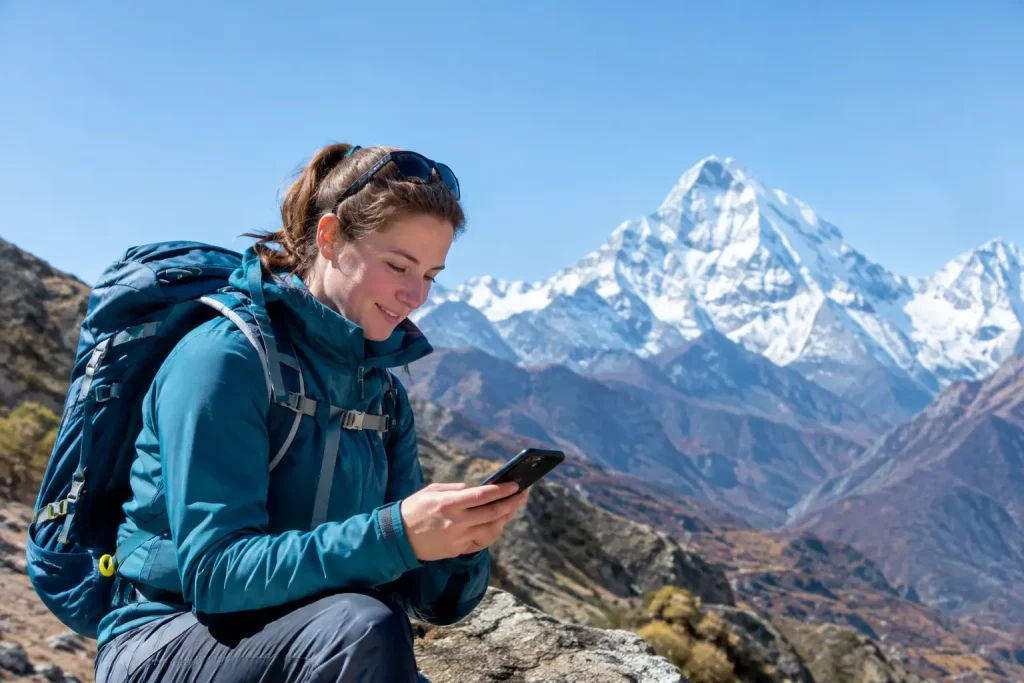
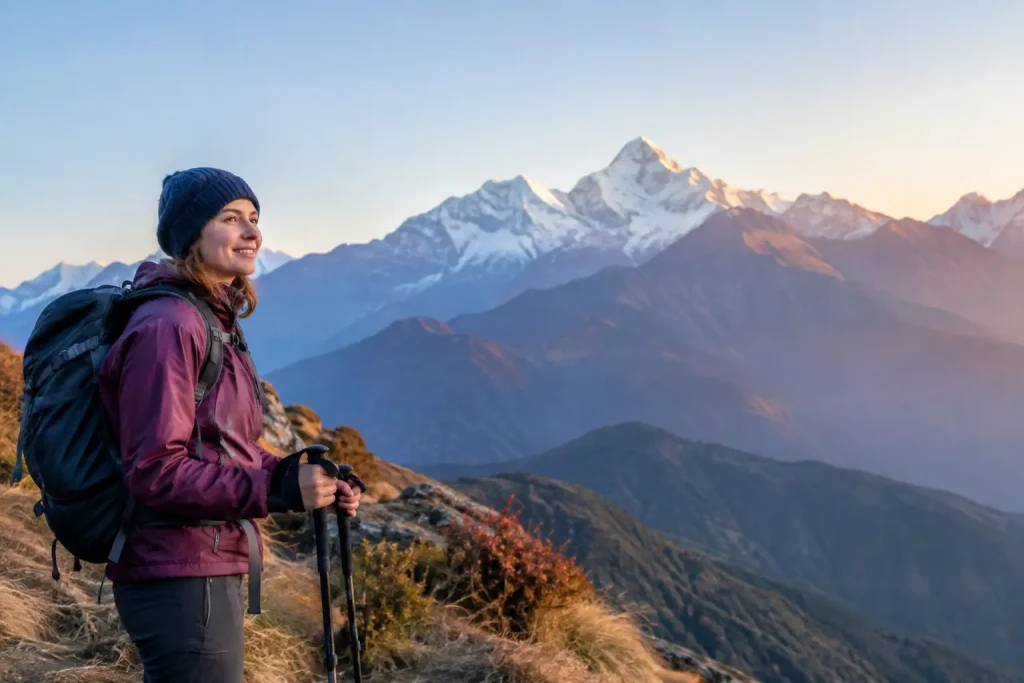
Everest trek alternatives make sense when you want big Himalayan views without committing to the crowds, flight dependency, cost, or sustained altitude exposure of the classic Everest Base Camp route. Nepal has several excellent treks that deliver glacier valleys, high viewpoints, welcoming teahouses, and genuine physical challenge, but each asks for something different from your body and itinerary.
The right choice is not simply the trek with the best photographs. It is the route whose elevation, walking days, access, and seasonal conditions match your experience and preparation. A shorter trek can still be strenuous. A lower trek can still involve cold nights, steep stone steps, and changing mountain weather.
Why consider an alternative to Everest Base Camp?
Everest Base Camp is a landmark trek for good reason, but it is not automatically Nepal’s best first Himalayan experience. The route commonly requires 12 to 14 trekking days, reaches high sleeping elevations, and depends on an often-delayed flight to Lukla. During peak spring and fall windows, busy trails and crowded dining rooms can also change the experience travelers expect.
Alternative routes can reduce one or more of those pressures. Some avoid domestic flights entirely. Others provide stronger mountain panoramas earlier in the trek, allowing a rewarding trip in under a week. A few still reach serious altitude, so they are not easier in every respect. The key is to distinguish a shorter itinerary from a safer or less demanding one.
Best Everest trek alternatives in Nepal
The five routes below cover a useful range of difficulty, altitude, and logistics. Trek durations are typical walking itineraries and can change with acclimatization days, road conditions, and weather.
| Trek | Typical duration | Approximate high point | Best for | |—|—:|—:|—| | Gokyo Lakes | 12-15 days | Gokyo Ri, 17,575 ft | Everest-region scenery with a quieter feel | | Langtang Valley | 7-10 days | Kyanjin Ri, about 15,000 ft | A classic high valley without a flight | | Mardi Himal | 5-7 days | High Camp/Viewpoint, about 13,450 ft | Short, steep trekking near Pokhara | | Pikey Peak | 5-7 days | Pikey Peak, about 13,400 ft | Everest views at more moderate altitude | | Poon Hill | 4-6 days | Poon Hill, 10,531 ft | First-time Himalayan trekking and flexible schedules |
Gokyo Lakes Trek: the closest Everest-region substitute
For travelers drawn specifically to the Khumbu, the Gokyo Lakes Trek is often the strongest alternative to the Everest Base Camp trail. It uses the same Lukla approach and reaches similarly serious elevations, but it turns into the Gokyo Valley rather than following the main Base Camp corridor.
The route combines turquoise lakes, the Ngozumpa Glacier, and the sunrise view from Gokyo Ri. From the summit, you can see Everest, Lhotse, Makalu, and Cho Oyu in a single wide panorama when conditions cooperate. It is not a shortcut around altitude risk. Acclimatization, conservative pacing, and the willingness to turn around if symptoms worsen remain essential.
Choose Gokyo if Everest views are non-negotiable but you prefer a less linear objective than Base Camp. It still involves the Lukla flight, high-altitude insurance considerations, and enough time to include contingency days.
Langtang Valley Trek: high mountains without Lukla
Langtang is one of Nepal’s most practical choices for trekkers who want a substantial Himalayan route but do not want to rely on mountain flights. The trailhead is reached by road from Kathmandu, although the drive can be long and rough depending on conditions.
The trek follows a river valley through forest and villages before opening into broad alpine country around Kyanjin Gompa. Day hikes toward Kyanjin Ri offer an impressive mountain viewpoint without requiring an expedition-length schedule. The trail can feel steep, particularly on ascent days, but the overall itinerary is easier to fit into a 10-day Nepal visit than Everest Base Camp.
Langtang works well for fit first-time high-altitude trekkers who can add acclimatization time and are realistic about hiking uphill for several hours each day. It is also a strong option when Lukla flight disruptions would create unacceptable schedule risk.
Mardi Himal Trek: short, steep, and close to Pokhara
Mardi Himal is a compact trek with a different character from Everest. It begins near Pokhara and climbs quickly through forest ridges toward close views of Machapuchare, Annapurna South, and Hiunchuli. The higher trail is narrow in places and can be exposed to weather, but the views arrive quickly for the time invested.
Its shorter duration is its main advantage, not an assurance of easy walking. Consecutive uphill days and basic higher lodges can challenge travelers who only train on flat ground. The route is best for hikers with good leg endurance who have five to seven days available and want a focused mountain experience rather than a long cultural trek.
Mardi Himal is particularly appealing in clear fall weather and during spring, when the lower forest can be colorful with rhododendron. Winter can be beautiful but colder, with snow potentially affecting the upper route.
Pikey Peak Trek: Everest views at a lower elevation
Pikey Peak is a compelling answer for travelers who want to see Everest but do not need to enter the Everest region. Located in the lower Solu area, it offers a celebrated sunrise panorama that can include Everest, Lhotse, Makalu, Kanchenjunga, and the Rolwaling range on clear mornings.
The route remains a real mountain trek, with sustained climbs and cold ridge conditions, yet its sleeping elevations are generally less demanding than the Everest Base Camp or Gokyo itineraries. Road access also avoids the Lukla flight. That makes Pikey Peak a sensible middle ground for trekkers prioritizing Everest scenery, cultural villages, and a quieter trail.
Do not treat it as altitude-free. Headache, poor sleep, and loss of appetite can still occur above 10,000 feet. Build in a gradual itinerary, hydrate normally, and tell your guide or trekking partners early if symptoms develop.
Poon Hill Trek: the most accessible panorama
Poon Hill is lower, shorter, and more developed than the other routes here. It is a good fit for first-time Nepal visitors, families with strong hikers, or travelers who have only a few days after arriving in Pokhara. The early-morning climb to Poon Hill provides a broad view of Dhaulagiri, Annapurna, Machapuchare, and neighboring peaks.
The trade-off is popularity. Sections of the trail and the sunrise viewpoint can be busy in peak season. The trek also includes plenty of stone stair climbing, which can surprise hikers who assume a low-altitude route requires little training. Still, its comparatively modest elevation makes it one of the better choices for travelers concerned about severe altitude illness.
How to choose among Everest trek alternatives
Start with your tolerance for altitude, not your preferred route length. If you have never slept above 10,000 feet, Poon Hill or a carefully paced Mardi Himal itinerary may be a more sensible introduction than Gokyo. If you have prior high-altitude experience and enough time for acclimatization, Gokyo offers one of Nepal’s most complete mountain landscapes.
Next, consider logistics. Gokyo normally requires a flight to Lukla, where weather can delay departures in either direction. Langtang, Pikey Peak, Mardi Himal, and Poon Hill use road access, though Nepal road journeys require patience and flexible timing. If your international departure is fixed, schedule a buffer after any trek, regardless of route.
Finally, match the season to the terrain. October through November and March through April usually provide the most reliable trekking conditions, though mountain weather is never guaranteed. Winter can bring quieter trails and crisp skies, but higher routes may have snow and very cold mornings. Monsoon conditions are generally less favorable for high viewpoints because clouds, leeches, wet trails, and landslide-prone roads become more likely.
Permits, guides, and safety planning
Permit requirements vary by trekking region and can change, so verify the current rules before booking transportation or setting a final itinerary. Everest-area treks commonly involve local and national park fees, while Annapurna and Langtang routes have their own entry requirements. Carry passport copies, enough cash for remote checkpoints and lodges, and travel insurance that explicitly covers trekking at your planned maximum altitude.
A guide is especially valuable when you are unfamiliar with Nepal trekking logistics, traveling alone, managing a tight itinerary, or attempting a route in shoulder-season snow. Independent trekking can be appropriate on established trails for prepared travelers, but it does not remove the need for an emergency plan. Know where you can descend, how to contact assistance, and which symptoms require immediate action.
A memorable Himalayan trek is rarely the one with the highest point on the map. It is the route you can walk steadily, acclimatize to responsibly, and finish with enough margin to enjoy the mountains rather than merely endure them.