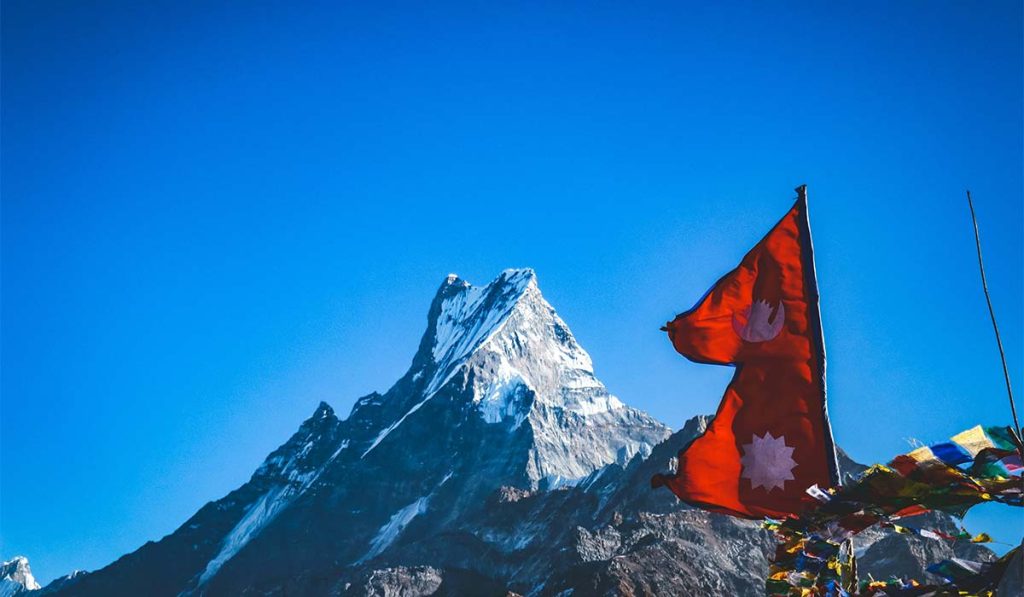
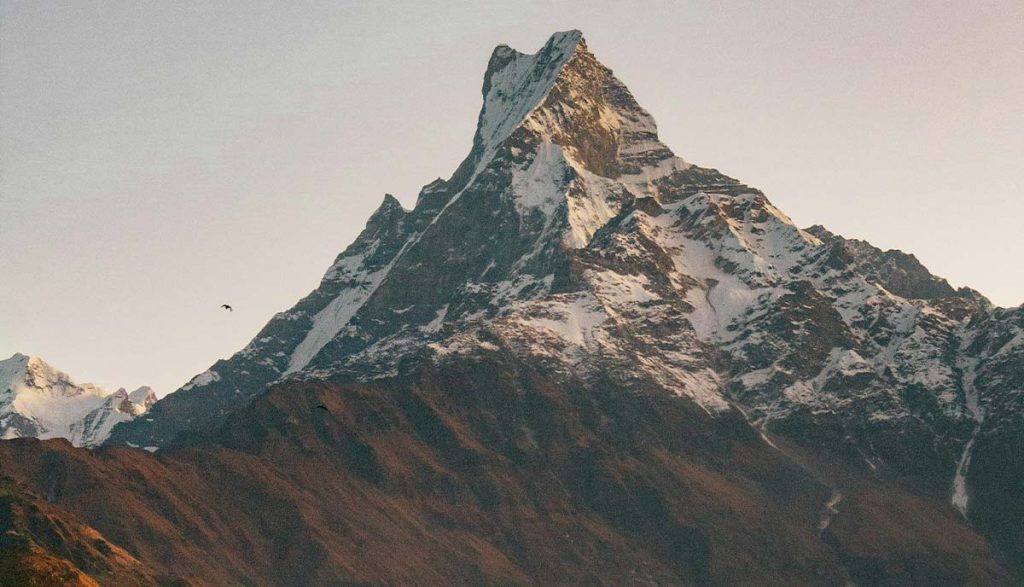
If you are planning the Mardi Trek starting point from Pokhara, the first thing to know is that there is not just one fixed trailhead. Most trekkers leave Pokhara by road and begin walking from either Kande, Phedi, or Dhampus, depending on the itinerary, road conditions, and how quickly they want to gain height. That small detail matters because it affects your first day, the length of the trek, and how gradual or demanding the route feels.
Mardi Himal Trek is one of the most practical short treks in the Annapurna region. It gives you forest trails, ridge walking, mountain lodges, and close views of Machhapuchhre and Annapurna South without the length of Annapurna Base Camp. But many trekkers get confused at the planning stage because guidebooks, blogs, and tour itineraries often list different starting villages. That is normal. They are usually all describing valid route variations from the Pokhara side.
Where is the Mardi Trek Trailhead from Pokhara?
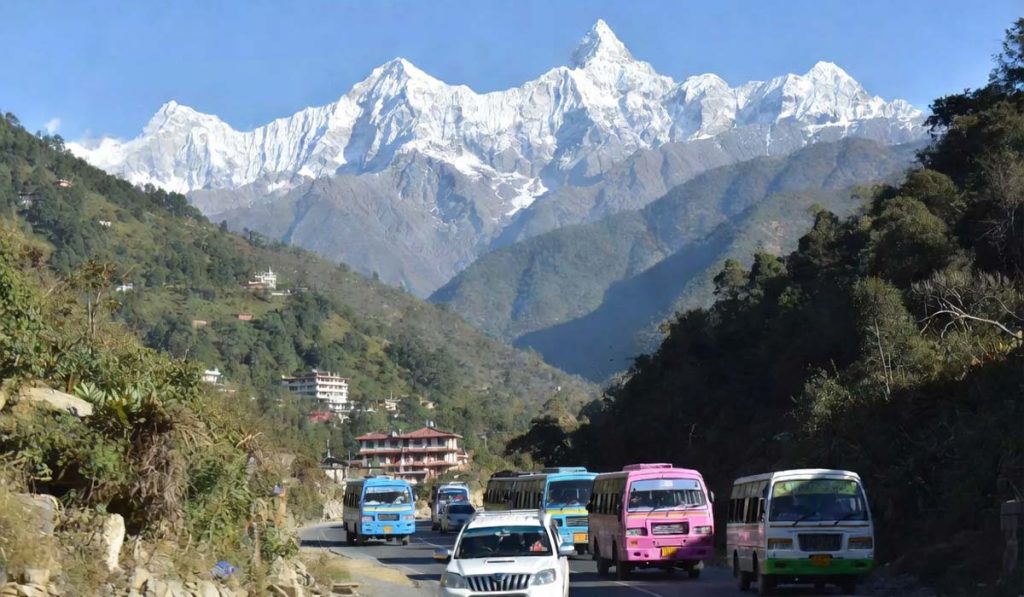
From Pokhara, the most common point for the Mardi Himal trailhead is Kande. Kande sits on the road toward the Australian Camp and Dhampus area and is reached by a relatively short drive from Lakeside or the city center. For many trekkers, this is the easiest and most balanced place to begin because the trail starts with a clear uphill walk through settlements and forest before connecting to the route toward Forest Camp.
Another common option is Phedi. Starting from Phedi usually means climbing stone steps toward Dhampus first, then continuing on the trail network that joins the Mardi route. This can make the first day feel steeper, especially if you have just arrived in Nepal and are not yet used to the terrain.
Some itineraries begin directly from Dhampus after driving there. This shortens the walking time on the first day and is useful if you arrive late in Pokhara, prefer a gentler start, or have limited trekking days. In practice, Kande and Phedi are the two trailheads most often discussed, while Dhampus is more of a practical starting village when road access is used to save time.
Getting from Pokhara to the trailhead
Pokhara is the main gateway for this trek. Most trekkers stay there at least one night before departure to organize permits, gear, transport, and last-minute supplies. From Pokhara, a private jeep or taxi is the simplest way to reach the starting area. The drive is short by Himalayan standards, usually around 45 minutes to 1.5 hours depending on traffic, road conditions, and your exact drop-off point.
If you start from Kande, the road approach is straightforward. If you start from Phedi, the drive is also short, but the trekking day begins with a more immediate climb. Dhampus access can also be arranged by vehicle, though road conditions may vary with the weather, especially in the monsoon period.
Public transportation may be possible on some sections, but it is less convenient if you are managing trekking bags, a fixed departure time, or a guide and porter team. For most international trekkers, private transport is worth it because it removes uncertainty at the very start of the trek.
Kande vs Phedi vs Dhampus
Choosing the best Mardi Trek starting point from Pokhara depends on how you want the trek to unfold.
Kande is often the most balanced option. It is popular because the access is easy, the route is established, and the first day feels achievable for most trekkers with average fitness. You climb steadily, pass through known villages, and move naturally toward Deurali or Forest Camp depending on your itinerary.
Phedi is a good choice if you do not mind a steeper beginning. The stair climb toward Dhampus can feel hard at the start, especially with warm weather or a heavy pack. The advantage is that it gives a classic uphill start and links well with the traditional village route.
Dhampus works well when time is tight. If you drive farther and begin from there, you reduce the length and effort of the opening day. That can be useful for families, slower walkers, or trekkers combining Mardi Himal with another short trip around Pokhara.
There is no single right answer. A fit trekker with enough time may enjoy starting lower and walking more. Someone on a shorter schedule may prefer to drive farther and save energy for the higher section above Low Camp.
Typical route after the starting point
Whichever trailhead you choose, the route usually joins the same main trekking line. From the lower villages, you move through Deurali and Forest Camp, then continue to Low Camp, High Camp, and finally Mardi Himal Viewpoint or Mardi Base Camp depending on weather, time, and your plan.
The lower part of the trek is mostly forested. Expect stone paths, village tracks, rhododendron woodland, and a steady climb rather than technical walking. As you gain altitude, the trail becomes more open and the mountain views begin to widen. Above Low Camp, the landscape changes noticeably. Trees thin out, ridges open up, and Machhapuchhre feels very close.
That is another reason the starting point matters. If your first day is too rushed, you may reach the higher lodges already tired. A better-paced start often makes the whole trek more enjoyable.
How long does it take to reach the trailhead?
From Pokhara, most road transfers to the Mardi trailhead are short enough to do on the same morning you begin trekking. You do not need to overnight at the starting village unless your itinerary is very relaxed or you want extra acclimatization to walking conditions.
In most cases, trekkers leave Pokhara after breakfast and begin walking before midday. That makes Mardi Himal one of the more accessible treks in Nepal for travelers who want to get onto the trail quickly without a long domestic flight or a full-day road journey.
What permits do you need before starting?
Before leaving Pokhara, you should have the required Annapurna region trekking permits arranged. Permit rules can change, so it is best to confirm the current requirements before departure rather than relying on old online advice. If you are trekking with an agency, this is usually handled for you in Pokhara before the drive to the trailhead.
This is one of those details that should be sorted in advance. The start of the trek is not the place to realize a document or permit is missing.
Best starting point for first-time trekkers
For first-time trekkers in Nepal, Kande is usually the most comfortable recommendation. It gives a practical balance between access, walking distance, and gradual progression into the trek. The first day is still uphill, but it is manageable for most people who have prepared reasonably well.
Phedi can be slightly tougher at the beginning because of the steep climb toward Dhampus. That does not make it a bad option, but it can feel punishing if you are jet-lagged, carrying your own pack, or starting in hot weather.
If you are unsure, choose the route that allows a sensible first overnight stop rather than chasing the longest possible day. In the hills around Mardi, pacing matters more than proving a point on day one.
Seasonal factors that affect the start
The road from Pokhara to the starting area is usually accessible in the main trekking seasons, especially spring and autumn. During the monsoon, mud, rain, leeches, and occasional road disruption can make the lower section slower and messier. In winter, the road approach is still generally manageable, but cold mornings and shorter daylight hours can affect your departure timing.
Spring is especially pleasant in the lower forest if the rhododendrons are in bloom. Autumn offers the clearest mountain views. If visibility is your priority, this often matters more than the exact village where you begin.
A practical planning note before you set off
Many trekkers focus only on the final viewpoint, but the Mardi Himal trailhead shapes the whole experience. If you leave Pokhara too late, choose a trailhead that does not fit your fitness, or underestimate the first climb, the route can feel harder than it needs to. If you choose the right starting point, the trek settles into a natural rhythm from the beginning.
For most people, that means a morning drive from Pokhara to Kande and a steady first day toward the forested lodges. It is simple, proven, and well suited to the way this trek builds from village trails to high ridges. When the logistics at the start are clear, you can pay attention to what you came for – the quiet forests, the changing mountain light, and that first close view of Machhapuchhre rising above the trail.