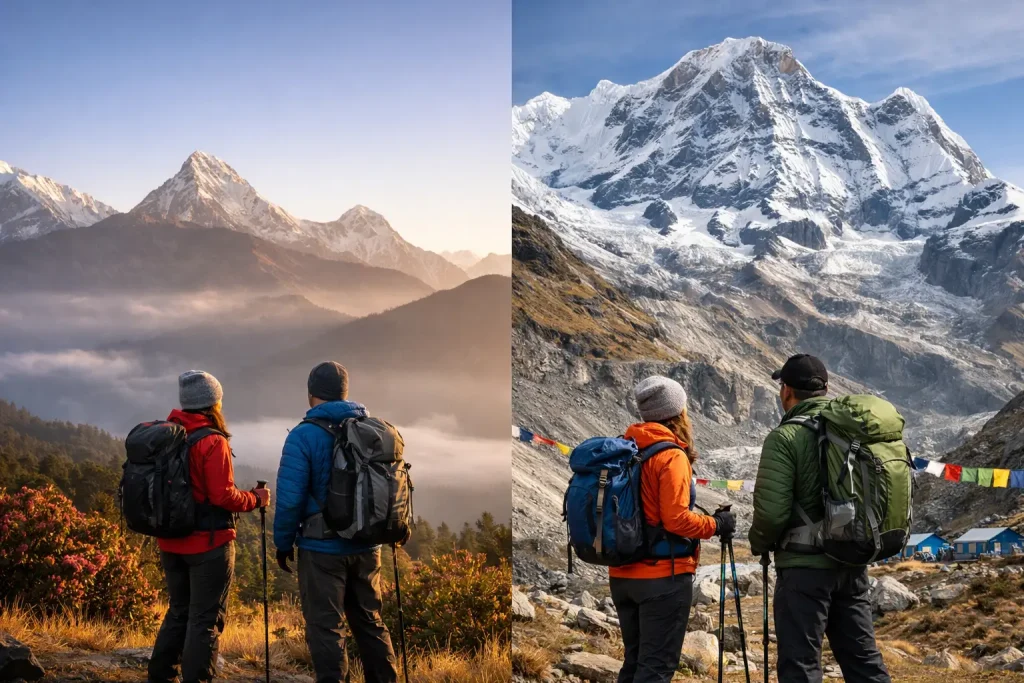
Poon Hill trek is often described as one of Nepal’s best short treks, but the real planning question is not just where to go. It is whether Guided vs Independent Trekking Poon Hill makes more sense for your budget, confidence level, and travel style. That choice affects everything from route planning and transport to safety, flexibility, and how much mental energy you spend on the trail.
For some trekkers, going independently feels simple. The route is popular, the villages are established, and the daily walking hours are manageable. For others, a guide removes uncertainty and makes the experience smoother, especially if it is a first trek in Nepal. Neither option is automatically better. The right choice depends on what kind of trip you want and how prepared you are to handle the practical details.
Guided vs Independent Trekking Poon Hill: the real difference
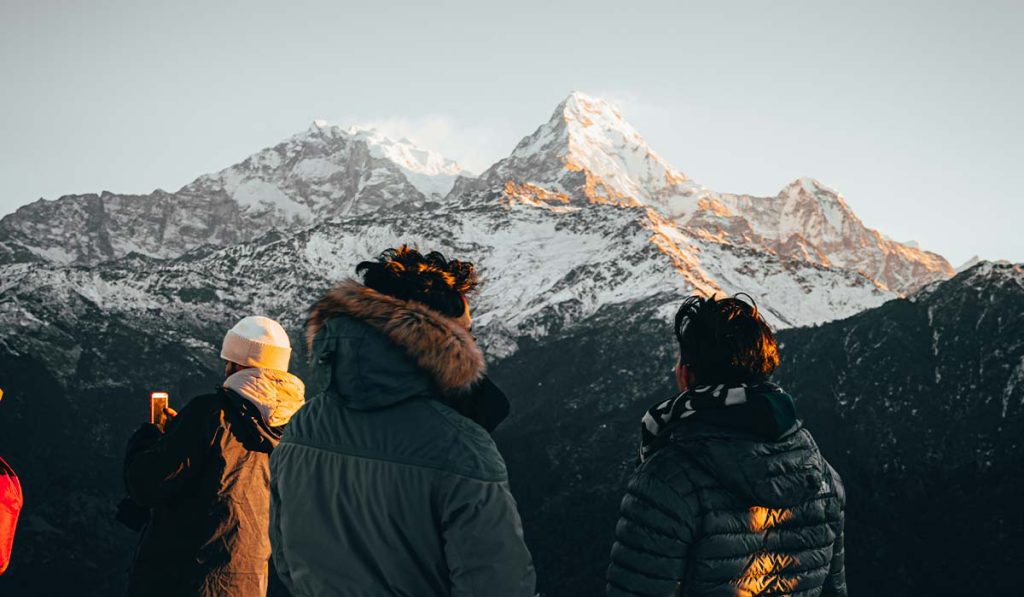
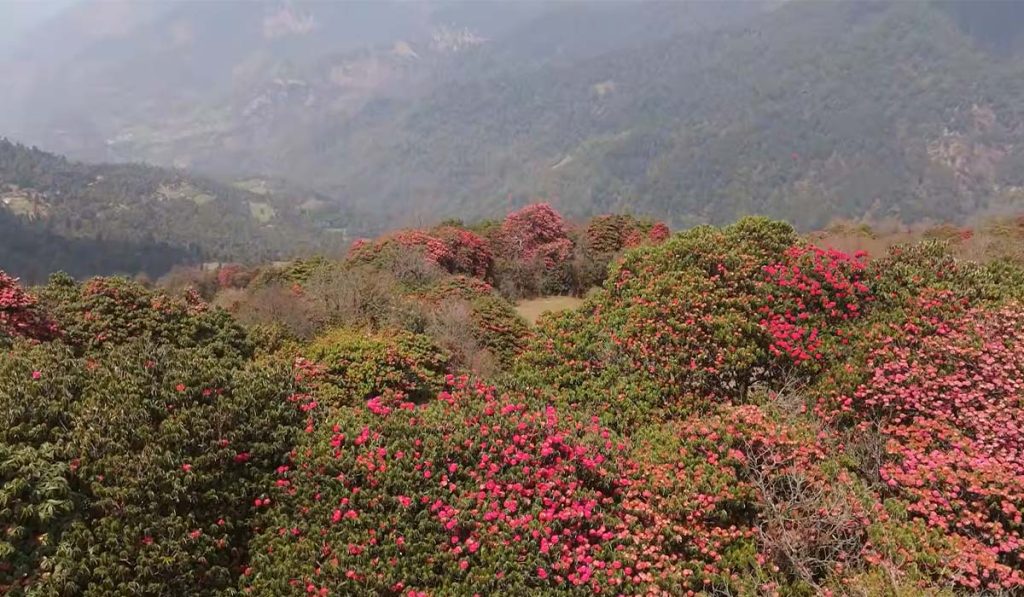
The Poon Hill trek usually starts from the Annapurna region road access points such as Nayapul, Birethanti, Ulleri, or Hile, depending on current road conditions and the itinerary you choose. Most trekkers walk through villages like Ghorepani and climb to the Poon Hill viewpoint for sunrise over Dhaulagiri, Annapurna South, Machhapuchhre, and surrounding peaks.
A guided trek means you have a licensed guide handling the day-to-day route decisions, pace management, lodge coordination, and practical support. In many cases, the guide also helps with transport arrangements before and after the trek, explains local culture, and responds if weather, health, or trail conditions change.
An independent trek means you manage those parts yourself. You choose where to sleep, when to start walking, how far to go, and what route variation to follow. Some trekkers enjoy that freedom. Others find that what sounds flexible on paper can become tiring when you are dealing with changing plans, limited information, or language barriers in busy seasons.
When guided trekking is the better choice
If this is your first trek in Nepal, a guided Poon Hill trek is usually the easier and safer option. Poon Hill is not a technical trek, but Nepal trekking works differently from hiking in many other countries. Transport schedules can shift, trailheads can change with road construction, and local lodge availability can vary by season. A guide reduces the friction around those small but important details.
Guided trekking is also a strong choice if you have limited time. Many travelers arrive in Nepal with a tight holiday schedule and cannot afford avoidable delays. A guide helps keep the itinerary realistic, makes sure your overnight stops fit your pace, and helps you avoid common planning mistakes such as pushing too hard on steep stair sections early in the trek.
There is also the safety factor. Poon Hill is considered a beginner-friendly route, but that does not mean risk-free. Slippery stone steps, cold mornings, heavy rain, poor visibility, stomach problems, and overexertion can affect even fit trekkers. A guide adds local judgment. If you are feeling unwell, need to shorten the day, or need a different overnight stop, that experience matters.
For solo travelers, guided trekking often feels more comfortable as well. The trail is social, but having a guide means you are not making every decision alone. You also gain more local context. A good guide does not just lead the way. They explain the villages, mountain names, farming life, ethnic communities, and trail rhythm in a way that makes the trek richer.
When independent trekking can work well
Independent trekking suits travelers who already have mountain hiking experience, are comfortable with basic logistics, and want maximum flexibility. Poon Hill is one of the more approachable trekking routes in Nepal because the trail is well established and the elevation is moderate compared to longer Himalayan treks.
If you like adjusting your itinerary day by day, independent travel can be rewarding. You may decide to walk slower, stay an extra night in a village, or take a route variation through Ghandruk rather than follow a fixed package. That sense of control is the main appeal.
Cost can also be lower if you trek independently, especially if you are traveling solo on a simple budget and do not mind spending time organizing transport, permits, and accommodation yourself. But lower cost should be seen carefully. Independent does not always mean cheap in a meaningful way. If poor planning leads to transport confusion, extra overnight stays, or an inefficient route, the savings can shrink quickly.
Independent trekking works best for people who are comfortable solving problems in real time. If you enjoy figuring things out and do not mind uncertainty, that style may suit you. If uncertainty makes you anxious, the freedom may feel less enjoyable once you are on the trail.
Cost: cheaper upfront or better value overall?
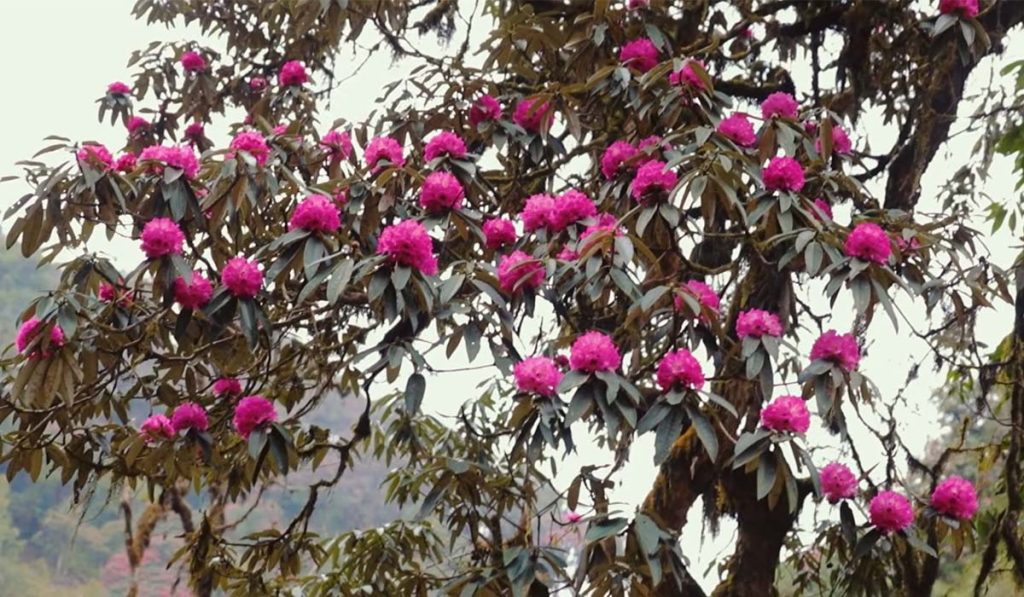
This is where many trekkers focus first, and understandably so. Independent trekking usually has a lower upfront price because you are not paying for a guide’s daily wage, service, and organizational support. You cover your permits, transportation, meals, and teahouses directly.
A guided trek costs more, but the comparison should not stop there. The value of a guide is not just navigation. It includes planning, local coordination, troubleshooting, and support if something goes wrong. On a short route like Poon Hill, the price gap is smaller than on longer expeditions, which makes guided trekking more appealing for many first-time visitors.
If you are traveling as a couple, family, or small group, the extra cost of a guide becomes easier to justify because the support is shared across the trip. In that situation, guided trekking often feels like very good value rather than an unnecessary expense.
Permits, rules, and practical logistics
Trekkers on the Poon Hill route generally need the relevant Annapurna conservation area permit requirements that apply at the time of travel. Regulations in Nepal can change, and trekking policy has seen updates in recent years, especially around guides, local administration, and protected areas. This is one reason many travelers prefer to confirm the latest rules before deciding to go independently.
Beyond permits, there is the everyday logistics side. How will you reach the trailhead from Pokhara? What route are you taking if road access has changed? Where will you stay in peak months? What happens if rain affects visibility and you want to shift your sunrise plan by a day? None of these issues are major on their own, but together they shape the quality of the trip.
A guide or a local trekking company usually handles these details with less stress. Independent trekkers can manage them too, but should not underestimate the value of local, current information.
Safety and comfort on the trail
Poon Hill is often chosen by beginners because it offers mountain views without extreme altitude. That is true, but the trek still has physical demands. The climb through Ulleri’s long stair sections can be harder than many people expect. Cold temperatures at sunrise, wet trails during monsoon shoulder periods, and fatigue from back-to-back walking days are common challenges.
A guide helps with pacing and decision-making. That is especially useful for trekkers who are reasonably fit but new to multi-day hiking. Many people do not struggle because the trek is too difficult. They struggle because they start too fast, carry too much, or underestimate recovery needs.
If you trek independently, your safety depends more heavily on your own judgment. That can be perfectly fine if you have experience and stay realistic. But if you are choosing between guided and independent only because the route looks short on a map, it is worth thinking again.
Experience, culture, and how the trek feels
The best argument for independent trekking is freedom. You set your pace, stop when you want, and shape the trek around your own rhythm. For confident hikers, that can feel deeply satisfying.
The best argument for guided trekking is depth and ease. You spend less time managing details and more time actually absorbing the trail. You notice more when someone is there to explain village life, local customs, mountain weather patterns, and the small route decisions that most visitors would otherwise miss.
This is why the choice is not only practical. It is also about the kind of experience you want. If you want trekking to feel simple, supported, and informative, go guided. If you want trekking to feel self-directed and lightly structured, go independent.
Which option is right for you?
Choose a guided trek if this is your first time in Nepal, your first multi-day mountain trek, or you want a smoother experience with less planning stress. It is also the better fit if you are short on time, traveling with family, or want local insight rather than just a marked trail.
Choose independent trekking if you are already comfortable with hiking logistics, can adapt when plans change, and genuinely enjoy making your own decisions on the move. It can work very well on Poon Hill, especially in stable seasons and with good preparation.
If you are somewhere in the middle, there is a practical middle path. Many trekkers arrange transport, permits, and a guide through an experienced local operator, then keep the itinerary flexible once on the trail. That gives you support without making the trek feel overly fixed.
Poon Hill is beautiful either way. The smarter question is not whether a guide is necessary for every trekker. It is whether having one will help you enjoy the mountains more, worry less, and make better use of your time in Nepal.