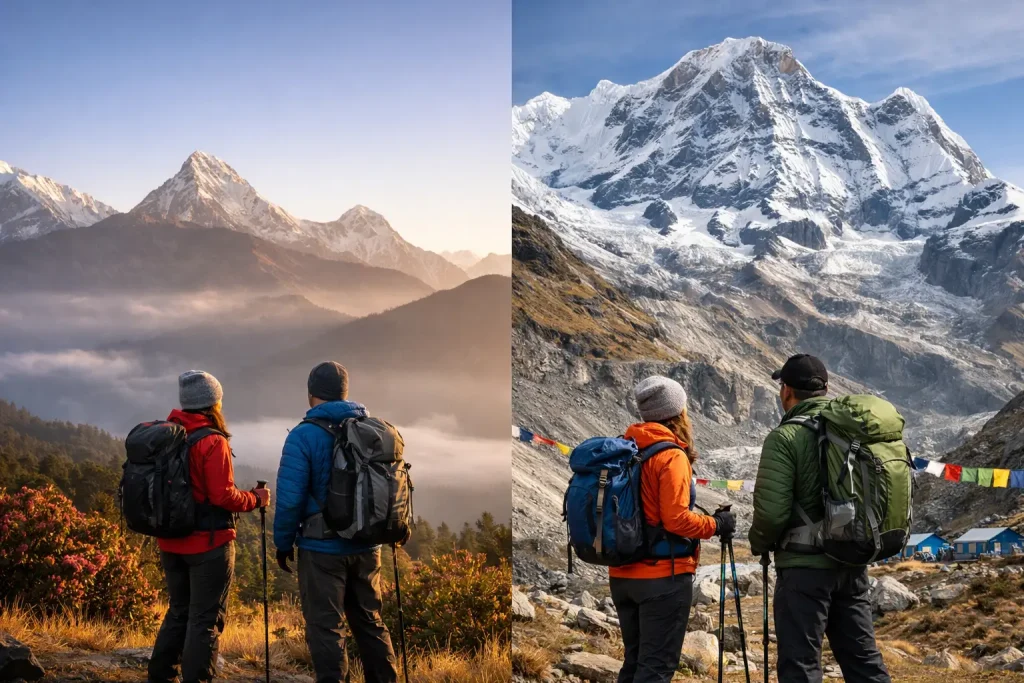
Poon Hill trek is one of Nepal’s most accessible Himalayan treks, but the price can still vary more than many trekkers expect. If you are asking, How Much Does It Cost to trek poon hill, the honest answer is usually between $250 and $900 per person depending on how you travel, how many days you take, and whether you go independently or with a guide and package.
That range is wide for a reason. A short budget trek from Pokhara with basic teahouses and shared transportation can be quite affordable. A private trek with a guide, porter, private transport, better rooms, and extra nights in Pokhara will cost much more. The good news is that Poon Hill is still one of the better-value treks in Nepal, especially for first-time visitors who want mountain views without a long expedition-style budget.
How much does it cost to trek to Poon Hill in total?
For most trekkers, a realistic budget breaks down into three common levels.
A budget independent trek usually costs around $250 to $400 per person. This normally includes permits, public transportation, simple teahouse accommodation, and basic meals. It works best for trekkers who are comfortable managing logistics on their own and do not mind keeping things simple.
A mid-range trek with a guide often costs about $450 to $700 per person. This is the range many international trekkers choose. It usually covers permits, guide fees, transportation, accommodation, and food during the trek. If you want support on the trail without turning the trip into a high-end package, this is often the most practical option.
A private or package-based trek can range from $700 to $900 or more. This may include a porter, private vehicle transfers, hotel stays before and after the trek, and a more organized itinerary. The higher cost often brings smoother logistics and more comfort, but not necessarily a better mountain experience.
The main costs you need to plan for
The biggest parts of your Poon Hill budget are permits, transportation, guide or porter services, accommodation, food, and small daily extras.
Permits are mandatory. For the Poon Hill trek, you generally need the Annapurna Conservation Area Permit, commonly called ACAP, and the TIMS card requirement may depend on current trekking rules and whether you are trekking independently or with an agency. Permit rules in Nepal can change, so it is always wise to confirm the latest process before arrival. In most cases, permit costs together are not the biggest part of the budget, but they are fixed costs you cannot avoid.
Transportation is the next major factor. Most trekkers start from Pokhara, then drive to Nayapul, Birethanti, Ulleri, or another road-access point, depending on the itinerary. Public buses and shared jeeps keep costs low, while private jeeps raise the budget quickly. The road access in the Annapurna region has improved over the years, which can shorten the trek but also changes the transport cost depending on where you begin and end.
Guide and porter costs depend on season, experience, and what is included. A guide adds local route knowledge, practical support, and help with accommodation, meals, and pace management. A porter helps reduce fatigue, which matters more on steep stone stair sections than some trekkers expect. Poon Hill is considered moderate, but the climb can still feel demanding if you are not used to altitude and long uphill days.
Accommodation on the trail is relatively affordable. Basic teahouses usually offer simple twin rooms with shared toilets. The room itself may cost very little, especially if you eat dinner and breakfast at the same lodge. In some villages, the food bill matters more than the room charge.
Meals are one of the most underestimated parts of the budget. As you go higher, prices rise because supplies are carried or transported up mountain roads. Dal bhat, noodles, fried rice, soup, tea, coffee, and snacks all add up across four or five trekking days. Trekkers who snack often, order bottled drinks, or choose imported items will spend noticeably more.
Permit costs for Poon Hill
Permit pricing can change, but you should usually budget around $30 to $50 total for required trekking documents, depending on current regulations. This is not a huge amount compared to the whole trek, but it is essential to factor in from the start.
Because permit systems in Nepal do get updated, it is best not to rely on outdated figures from old forum posts or videos. Current local guidance matters more than internet estimates from previous seasons.
Guide and porter costs
A licensed trekking guide generally costs around $25 to $40 per day. A porter often costs around $20 to $30 per day. Some agencies offer one guide-porter for a lower combined rate, but the service level is different from hiring both separately.
For a typical 4 to 5 day Poon Hill trek, guide costs often land between $120 and $200 total. Adding a porter may raise the total by another $100 to $150. Some trekkers see this as optional, but for many first-time visitors, the value is not only navigation. A good guide helps with weather decisions, trail timing, local communication, and practical problem-solving.
This is especially useful in peak seasons when teahouses can fill quickly. An experienced local guide often makes the trek smoother in ways that are hard to measure before you are on the trail.
Food and accommodation costs on the trail
A simple teahouse room may cost roughly $5 to $15 per night. Higher-demand villages or rooms with attached bathrooms may cost more, though Poon Hill is not usually a luxury trek.
For food, many trekkers spend around $20 to $35 per day on the trail. That can be lower if you keep meals basic and avoid extras, or higher if you order multiple hot drinks, desserts, snacks, and bottled water. Over four trekking days, food alone often totals $80 to $140.
Water is worth mentioning separately. Buying bottled water every day is more expensive and creates more waste. Many trekkers save money by carrying a reusable bottle and using boiled water or purification tablets. That small decision can make a noticeable difference over the trek.
Charging electronics, hot showers, and Wi-Fi may also come with extra fees in some villages. These are not large individually, but they can quietly push the budget up if you use them often.
Transportation costs from Kathmandu or Pokhara
If you are already in Pokhara, transport to the trailhead and back may cost as little as $20 to $60 using local buses or shared jeeps. Private jeep transfers can cost much more, especially if you want direct pickup and drop-off.
If you are starting from Kathmandu, your budget should also include travel to Pokhara. Tourist bus fares are usually the economical option, while flights are faster but significantly more expensive. That means your full Poon Hill trek cost depends partly on whether you are calculating only the trek itself or the wider trip logistics.
For many trekkers, a useful planning habit is to separate the budget into three parts: Kathmandu to Pokhara, Pokhara to the trailhead, and trail expenses. That makes it easier to compare package prices with independent planning.
Independent trek vs guided package
If your main goal is to spend as little as possible, independent trekking is usually cheaper on paper. But the lowest advertised price does not always equal the best overall value.
A guided package often includes permits, transport coordination, guide wages, some meals, and accommodation planning. That can prevent common mistakes such as overpaying for last-minute transport, losing time on route planning, or struggling to find rooms in busy periods. On a short trek like Poon Hill, the price difference between independent and guided travel is not always dramatic enough to make guided support a bad choice.
For solo trekkers especially, joining a small organized trek can sometimes be more cost-efficient than arranging every detail privately.
When the cost goes up
The same Poon Hill route can cost more during peak trekking months, such as spring and autumn. Higher demand affects guide availability, transport, and room options. Prices for basic items may not change dramatically, but your total spend can still rise because you have fewer cheap choices.
Your cost also goes up if you extend the route. Many trekkers combine Poon Hill with Ghandruk, Tadapani, Jhinu Danda, or a longer Annapurna foothills itinerary. This adds extra nights, extra meals, and sometimes extra transport, but it can improve the overall experience if you want more than a short viewpoint trek.
Another common budget mistake is ignoring personal expenses in Pokhara or Kathmandu. Hotels, gear rental, snacks, laundry, and restaurant meals before and after the trek are not part of the trail budget, but they are part of the real trip cost.
A realistic budget for most trekkers
For most international visitors, a practical budget for Poon Hill is around $500 to $700 per person if you want a comfortable, well-organized trek without unnecessary extras. That usually gives enough room for permits, transport, a guide, teahouse stays, meals, drinking water, and a few small incidentals.
If you are experienced, traveling light, and happy to manage logistics yourself, you can do it for less. If you want private support and more comfort, you should budget more. Neither approach is wrong. It depends on your trekking style, confidence level, and how much convenience matters to you.
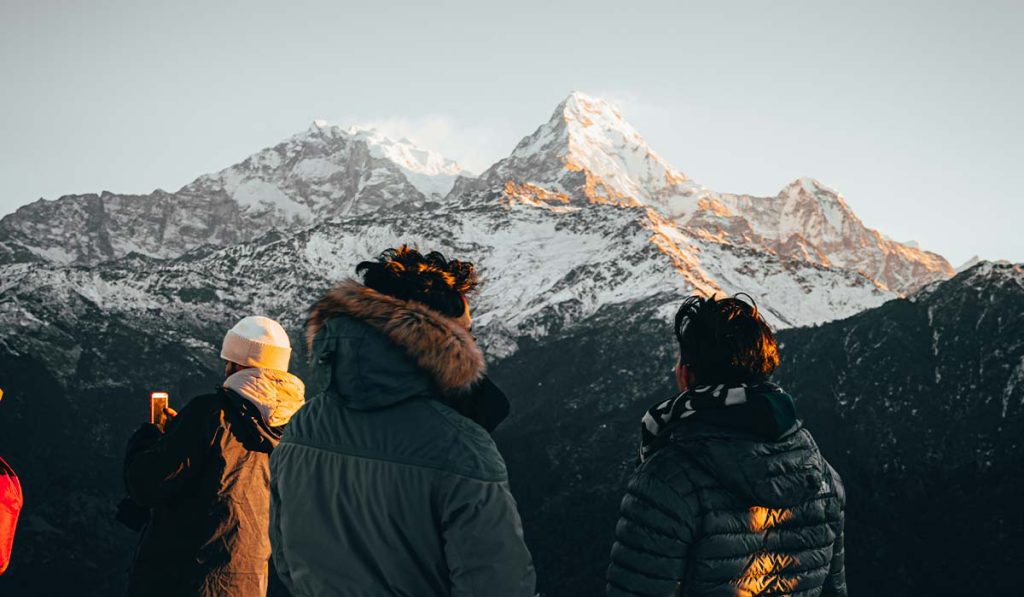
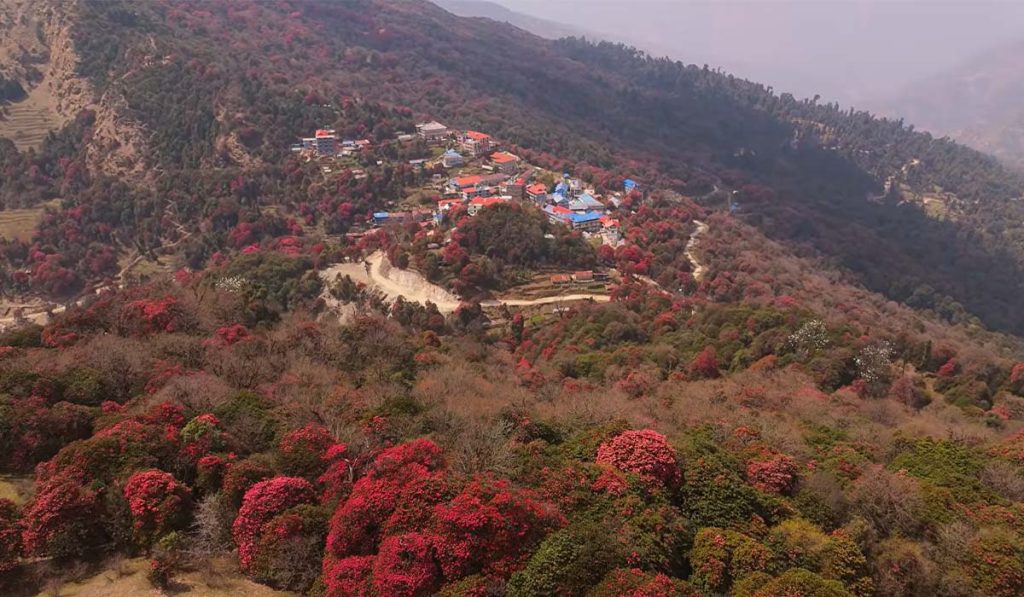
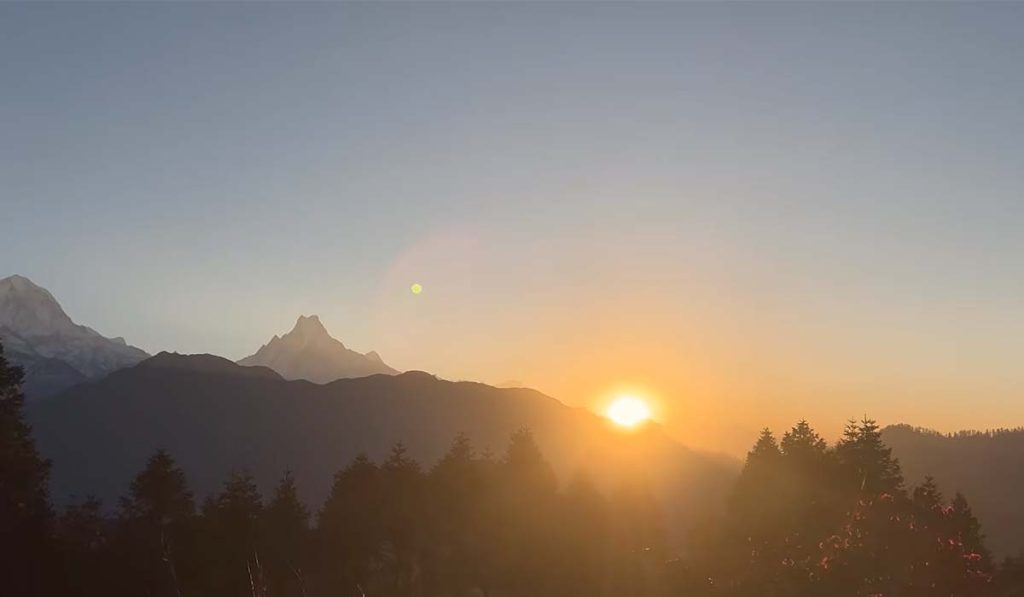
Poon Hill is not the cheapest walk you will ever do, but for sunrise over Annapurna and Dhaulagiri, Gurung and Magar villages, rhododendron forests, and a short Himalayan trek that fits into a limited Nepal itinerary, it offers strong value. The smartest way to budget is not to chase the lowest possible number. It is to understand what is included, what is not, and what kind of experience you actually want on the trail.