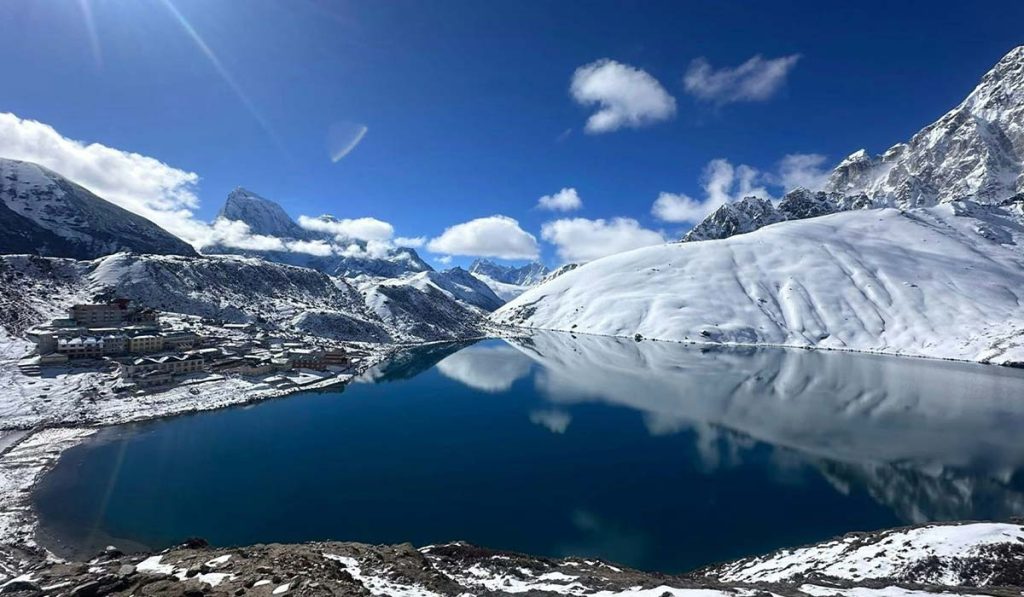
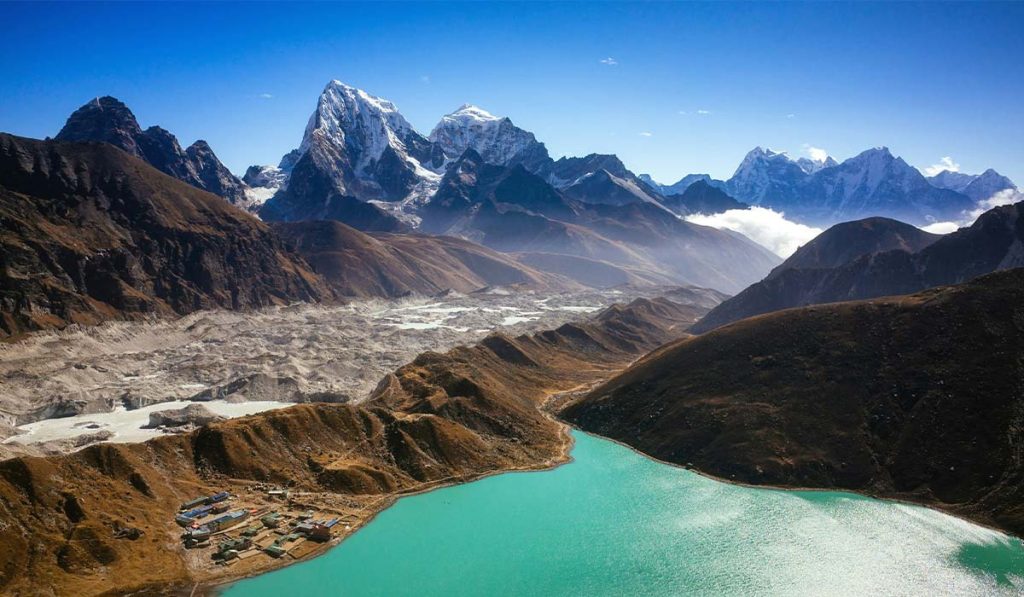
Not every trekker wants the same Gokyo experience. Some want the quickest route to the blue lakes and Gokyo Ri. Others want a longer high-altitude journey that links Cho La Pass, Everest Base Camp, or the quieter valleys beyond. That is why understanding the Variations of the Gokyo Lakes Trek matters before you book flights, apply for permits, or start training.
The Gokyo region sits on the western side of the Khumbu and offers one of the best combinations in the Everest area: open mountain views, turquoise glacial lakes, fewer crowds than the main Everest Base Camp trail, and strong lodge infrastructure in season. But the route is not just one fixed itinerary. The best version depends on your time, altitude experience, fitness, and whether you prefer a scenic out-and-back walk or a demanding circuit.
Why does the Gokyo route have so many variations
Gokyo is connected to several important trekking corridors in the Everest region. The standard access usually follows the Dudh Koshi valley from Lukla through Namche Bazaar and then branches west toward Dole, Machhermo, and Gokyo. From there, trekkers can return the same way, continue higher to the fifth lake, cross Cho La toward Dzongla and Everest Base Camp, or combine Gokyo with the Three Passes route.
This flexibility is one of the route’s biggest strengths. It lets first-time trekkers choose a more manageable plan while giving experienced hikers the chance to build a much more ambitious itinerary. The trade-off is that route planning becomes more important. A variation that looks attractive on a map can become a poor choice if it adds too much altitude gain, too many long days, or too little acclimatization.
The main variations of the Gokyo Lakes Trek
Standard Gokyo Lakes Trek
This is the classic choice and the best fit for many trekkers. It usually starts with a flight to Lukla, then follows the trail through Phakding and Namche Bazaar before moving toward Dole, Machhermo, and Gokyo. Most itineraries include an acclimatization day around Namche and often a morning hike to Gokyo Ri.
The standard route is attractive because it delivers the main rewards of the area without adding technical difficulty. You still get dramatic views of Everest, Cho Oyu, Lhotse, and Makalu from higher viewpoints, and the lakes themselves are one of the most beautiful alpine landscapes in Nepal. For trekkers with moderate experience and around 10 to 12 trekking days, this version is often the smartest option.
The limitation is simple: you usually retrace your steps on the return. Some trekkers do not mind that at all, because the scenery looks different in reverse and the pace can feel more relaxed on the way down. Others prefer a circuit.
Gokyo Lakes Trek with Gokyo Ri and Fifth Lake
Some trekkers think reaching Gokyo village is enough. In reality, if weather and fitness allow, adding both Gokyo Ri and the hike toward the fifth lake makes the trip far more complete.
Gokyo Ri is the essential viewpoint. The climb is steep, usually done early in the morning, and can feel hard due to altitude rather than distance. But the reward is one of the strongest panoramic viewpoints in the Khumbu. You see the lakes below, the Ngozumpa Glacier nearby, and a broad Himalayan skyline that rivals many better-known Everest viewpoints.
The fifth lake extension is less common but very worthwhile for trekkers who want a quieter extra day. It gives a wider sense of the glacial basin and can offer excellent views toward Everest. The key consideration is energy management. After several days at altitude, a long side hike can feel much harder than expected, so this variation works best when your itinerary is not rushed.
Gokyo Lakes and Cho La Pass to Everest Base Camp
This is one of the most popular upgraded versions of the trek. Instead of returning from Gokyo via Dole, you cross Cho La Pass and join the main Everest Base Camp route near Dzongla and Lobuche. From there, many trekkers continue to Everest Base Camp and Kala Patthar before descending through Pangboche, Tengboche, Namche, and Lukla.
This variation offers the best of both worlds. You get the quieter beauty of Gokyo and the iconic highlights of the Everest Base Camp trail in one trip. For many trekkers, it is the most rewarding full Everest-region itinerary that still fits into roughly two weeks if planned carefully.
But it is significantly harder than the standard Gokyo route. Cho La Pass is not technical in normal trekking conditions, but it is a serious high-altitude crossing. Snow, ice, and early morning cold can make it demanding. The day is long, and poor weather can affect both safety and comfort. This route is best for trekkers who are already comfortable with long mountain days and who have a sensible acclimatization plan.
Variations of the Gokyo Lakes Trek for experienced trekkers
Gokyo as part of the Everest Three Passes Trek
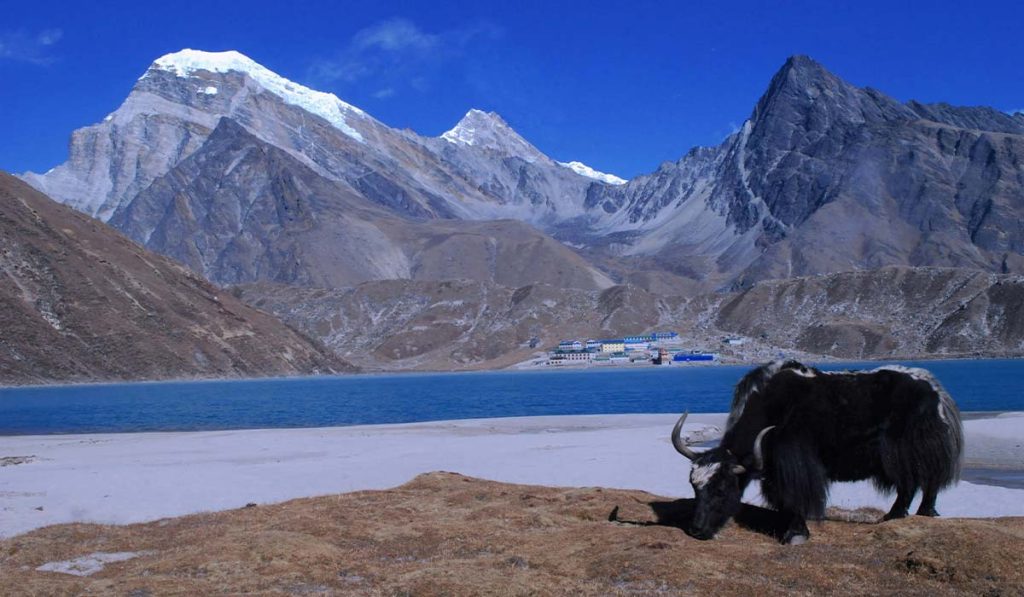
For strong trekkers with enough time, Gokyo is often included within the Everest Three Passes Trek. In this version, the lakes are not the final goal but one section of a larger high-altitude circuit that includes Kongma La, Cho La, and Renjo La.
This is a different category of trek. It is longer, more physically demanding, and much more dependent on weather, stamina, and proper acclimatization. The reward is variety. You move through several valleys, reach major viewpoints, cross high passes, and avoid repeating too much of the same trail.
If your main goal is to enjoy Gokyo itself, the Three Passes route may be more than you need. If your goal is a broad Everest-region adventure and you already have solid trekking experience, then adding Gokyo through this larger circuit makes excellent sense.
Gokyo via Renjo La
Another strong variation is to approach or exit Gokyo over Renjo La. This pass links the Gokyo side with the Thame valley and offers one of the finest pass crossings in the region. Compared with the Cho La option, many trekkers find Renjo La more scenic and slightly less complicated under normal conditions, though it is still a strenuous high-altitude day.
This version suits trekkers who want a loop instead of a pure out-and-back route but do not necessarily want to include Everest Base Camp. It is also a good choice for those who appreciate quieter trails, since the Thame side often feels less busy than the main EBC corridor.
The main challenge is the same as with any pass route: conditions matter. Snowfall, icy sections, and fatigue can change the feel of the day quickly.
Which variation is best for you?
If this is your first trek in the Everest region, the standard Gokyo Lakes Trek is usually the best starting point. It gives you excellent scenery, good lodges, and a realistic altitude profile without forcing a pass crossing. Add Gokyo Ri at minimum, and add the fifth lake if you have an extra day and feel strong.
If you have previous high-altitude trekking experience and want a more complete Everest journey, the Gokyo plus Cho La plus Everest Base Camp variation is the strongest option. It combines famous highlights with real route variety.
If you are an experienced trekker looking for a longer challenge, Gokyo within the Three Passes Trek offers the biggest adventure. And if you want a scenic circuit with less traffic than the EBC side, the Renjo La variation deserves serious consideration.
Planning factors that change the right route
Season matters more than many trekkers expect. In spring and autumn, most Gokyo variations are straightforward to plan because lodges are open, trails are busy enough for support, and pass conditions are generally more stable. In winter, the standard Gokyo route can still be possible with good preparation, but pass crossings like Cho La or Renjo La may become much more difficult. During the monsoon, flights, visibility, and trail conditions can all create problems.
Time is another deciding factor. A standard Gokyo trek typically fits into a shorter schedule. Once you add Cho La, Everest Base Camp, or Renjo La, you need extra buffer days. That buffer is not wasted time. In the Khumbu, weather delays and acclimatization needs are part of realistic planning.
Fitness helps, but acclimatization is the bigger issue. Many trekkers are strong enough for the daily walking hours yet struggle because they underestimate altitude. A shorter itinerary is not always better if it cuts out the rest days that keep you healthy.
Finally, think honestly about what you want from the trek. If your dream is standing by the lakes and watching sunrise from Gokyo Ri, the simplest version may be the best. If you know you will regret skipping Everest Base Camp once you are already in the Khumbu, it may be better to choose a combined route from the start rather than try to force changes mid-trek.
The best Gokyo itinerary is not the longest or the hardest. It is the one that matches your time, fitness, and mountain experience closely enough that you can actually enjoy the trail instead of only enduring it.