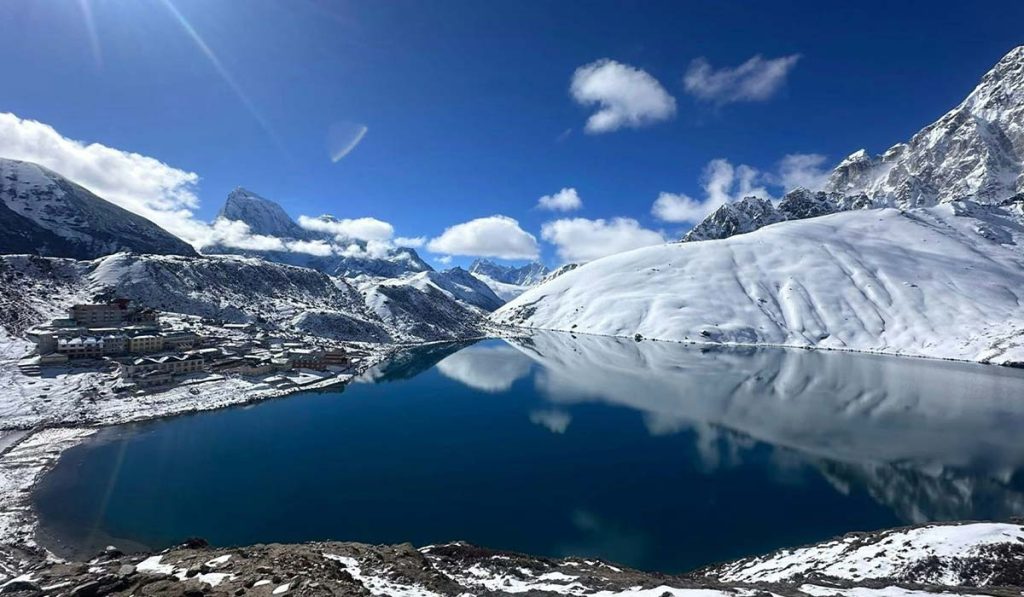
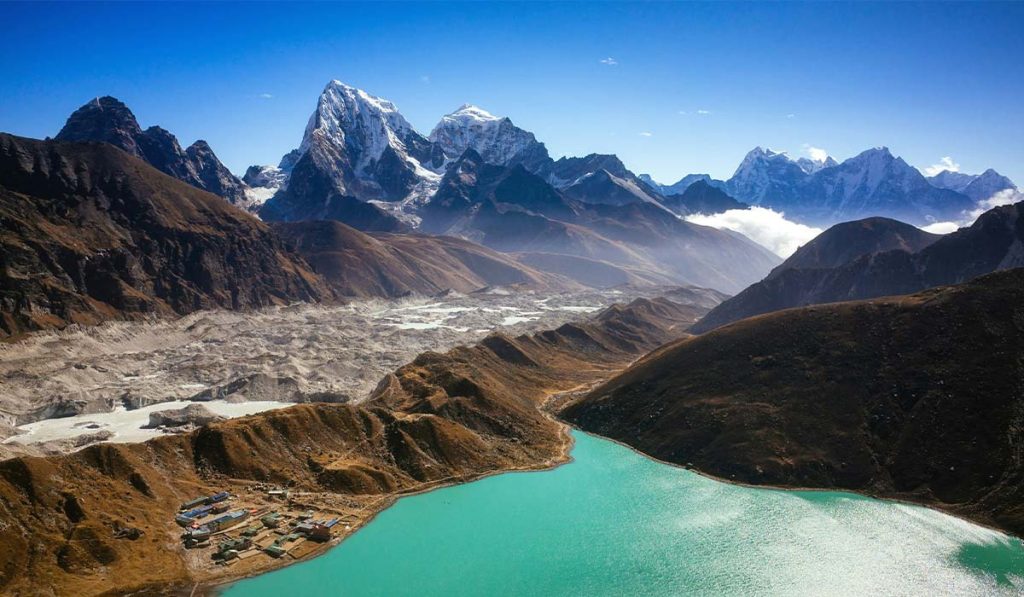
Many first-time trekkers assume any route in the Everest region is only for seasoned hikers. That is not really true. Can Beginners Do the Gokyo Lakes Trek? Yes – many beginners can complete it successfully, but only if they understand what makes this trek challenging and prepare for those specific demands rather than treating it like an easy walk.
The Gokyo Lakes Trek is one of the most rewarding routes in Nepal. It offers high mountain scenery, Sherpa villages, glacier views, and the turquoise lakes of Gokyo without the same level of crowding found on the Everest Base Camp trail. For beginners, that quieter atmosphere can actually make the journey feel more enjoyable. At the same time, the route climbs high, the days are long in some sections, and altitude is the biggest factor that should never be underestimated.
Can Beginners Do the Gokyo Lakes Trek safely?
Beginners can do this trek safely if they are reasonably fit, walk at a controlled pace, and follow a proper acclimatization plan. You do not need technical climbing skills, mountaineering experience, or advanced trekking background. The trail is a trekking route, not a climbing expedition.
What beginners do need is realistic preparation. The Gokyo route usually reaches around 4,790 meters at Gokyo and about 5,357 meters if you hike up Gokyo Ri. At that height, even strong and active people can struggle if they ascend too fast. That is why the answer is not a simple yes for everyone. A beginner who trains, listens to their guide, drinks enough water, and allows time for acclimatization has a good chance of doing well. A beginner who arrives with no conditioning and tries to rush the trek may have a very different experience.
In practical terms, the difficulty is moderate to moderately challenging. It is more demanding than a low-altitude village trek, but it is still achievable for first-time trekkers with determination and decent preparation.
What makes the Gokyo trek hard for beginners?
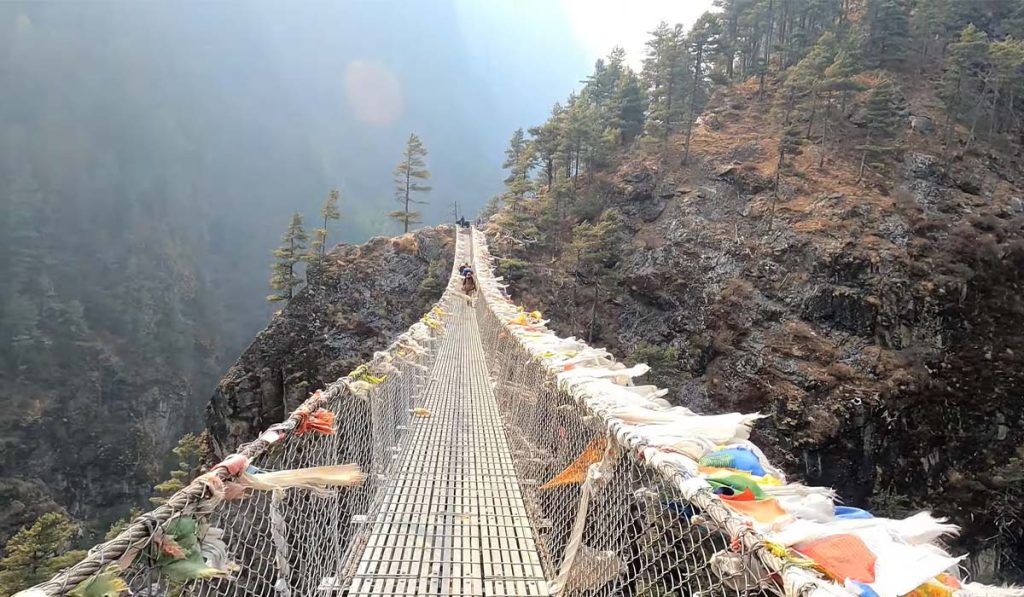
Most beginners expect the main challenge to be uphill walking. In reality, altitude is the biggest obstacle. The trail itself is generally clear, with stone paths, dirt sections, suspension bridges, gradual climbs, and some steep parts. You do not need ropes or technical gear. But once you move above Namche Bazaar and continue toward Dole, Machhermo, and Gokyo, the thinner air changes everything.
A walking day that might feel easy at low elevation can feel much harder above 4,000 meters. You may notice slower pace, heavier breathing, lower appetite, disturbed sleep, or headaches. None of this automatically means you are in danger, but it does mean the trek requires patience.
The second challenge is consistency. The Gokyo Lakes Trek is not one single hard day. It is a series of repeated trekking days, often 5 to 7 hours long, with basic mountain accommodation and cold conditions depending on season. Beginners sometimes focus only on whether they can hike one long day at home. The better question is whether they can walk several days in a row while recovering well.
Weather is another factor. In spring and autumn, conditions are usually best, but mountain weather still changes quickly. Flights to Lukla can be delayed, mornings can be cold, and trails can feel tougher in wind, snow, or rain.
How fit should a beginner be?
You do not need to be an athlete, but you should have a solid base level of cardiovascular fitness and leg endurance. If you can comfortably handle full-day hikes at home, climb stairs without serious difficulty, and stay active several times a week, that is a good starting point.
For most beginners, the right preparation is simple. Spend at least 8 to 12 weeks building your stamina before the trek. Focus on uphill walking, long walks, stair climbing, light strength training, and carrying a daypack. If possible, do back-to-back hiking days to simulate the rhythm of trekking in Nepal.
The goal is not speed. Fast hikers often struggle in the Himalayas because they are used to pushing hard. On the Gokyo route, steady movement matters more than pace. A slower beginner with discipline often does better than a fitter person who ignores acclimatization.
A realistic itinerary matters more than confidence
One of the biggest mistakes beginners make is choosing an itinerary that is too short. The trek becomes much more manageable when you allow enough time to adjust to altitude. A sensible Gokyo itinerary typically includes arrival at Lukla, trekking to Phakding, Namche Bazaar, then spending an acclimatization day in Namche before moving higher through Dole and Machhermo to Gokyo.
That extra day in Namche is important. So is resisting the urge to rush once you feel strong early on. Many altitude problems start when trekkers feel good at 3,400 meters and assume the rest will be the same.
If you are a beginner, a longer plan is often the smarter plan. It gives your body time to adapt, reduces physical strain, and leaves more room in case of flight delays or weather disruptions.
Is Gokyo easier than Everest Base Camp?
This depends on how you compare them. In terms of popularity and trail traffic, Gokyo usually feels quieter and less hectic, which many first-time trekkers appreciate. In terms of scenery, Gokyo is exceptional, especially with the lakes, Ngozumpa Glacier, and the view from Gokyo Ri.
In terms of physical challenge, Gokyo is not necessarily easier in every way. The altitude is still significant, and some sections feel more remote than the main Everest Base Camp trail. However, many trekkers find Gokyo more peaceful and mentally less tiring because there are fewer crowds and a more relaxed pace on the trail.
For a beginner choosing between the two, the better option often comes down to personal preference. If you want the famous Everest Base Camp milestone, that route may suit you. If you want spectacular views, a high Himalayan experience, and a route that feels a bit less crowded, Gokyo is an excellent choice.
What beginners should know about accommodation and comfort
The Gokyo Lakes Trek is a teahouse trek, which means you sleep in simple mountain lodges along the route. Beginners are often relieved to hear that they do not need to camp. At the same time, comfort is basic, especially at higher elevations.
Rooms are usually simple twin-sharing rooms with beds, blankets, and limited insulation. Dining halls are the warmest spaces in the evening. Bathrooms may be outside the room, hot showers may cost extra, and charging devices often comes with an added fee. As you go higher, services become more limited and expensive.
This is manageable for most people, but beginners should arrive with the right expectations. The trek is comfortable enough to be accessible, but not luxurious. If you are prepared for basic conditions, it feels like part of the adventure rather than a disappointment.
Best season for beginners
Spring, from March to May, and autumn, from late September to November, are the best seasons for most beginners. These months usually offer the clearest mountain views, the most stable weather, and the best overall trekking conditions.
Spring brings blooming rhododendrons at lower elevations and slightly warmer temperatures. Autumn often offers crisp skies and excellent visibility. Winter is possible, but it is colder and can be more demanding for beginners. Monsoon season brings cloud, rain, muddy trails, and more flight uncertainty, so it is usually not the ideal choice for a first Himalayan trek.
Should beginners go with a guide?
For most first-time trekkers, yes. A guide adds far more than route finding. On the Gokyo Lakes Trek, a good guide helps manage pace, watches for altitude symptoms, handles logistics, and makes practical decisions if weather or health issues change your plan.
This support matters even more for beginners who have never trekked at high altitude. A local guide also helps you understand the rhythm of the trail, teahouse culture, and what is normal versus what needs attention. That kind of experience can make the difference between a stressful trip and a confident one.
At Himalaya Wanderer, this is often where beginners feel the most relief. They realize the trek does not need to be easy to be achievable – it just needs to be well planned.
How to know if this trek is right for you
The Gokyo Lakes Trek is a good beginner trek if you are active, open to basic mountain conditions, and willing to prepare seriously. It may not be the right first trek if you have major concerns about altitude, very limited time, or no interest in walking for several days in a row.
If you want a gentler introduction to trekking in Nepal, there are lower-altitude routes that demand less from the body. But if your goal is to experience the Everest region in a meaningful way, and you are ready to train and give the trek enough days, Gokyo is absolutely within reach for many beginners.
The best mindset is simple: do not ask whether beginners are allowed to do it. Ask whether you are willing to respect the mountain, prepare honestly, and walk patiently. For most first-timers, that is what really decides the outcome.