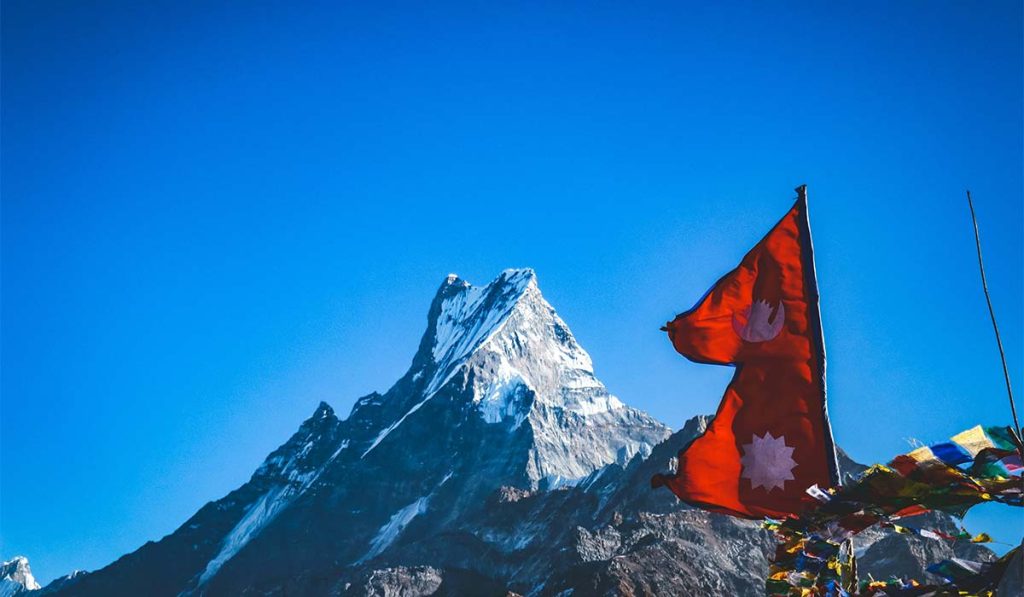
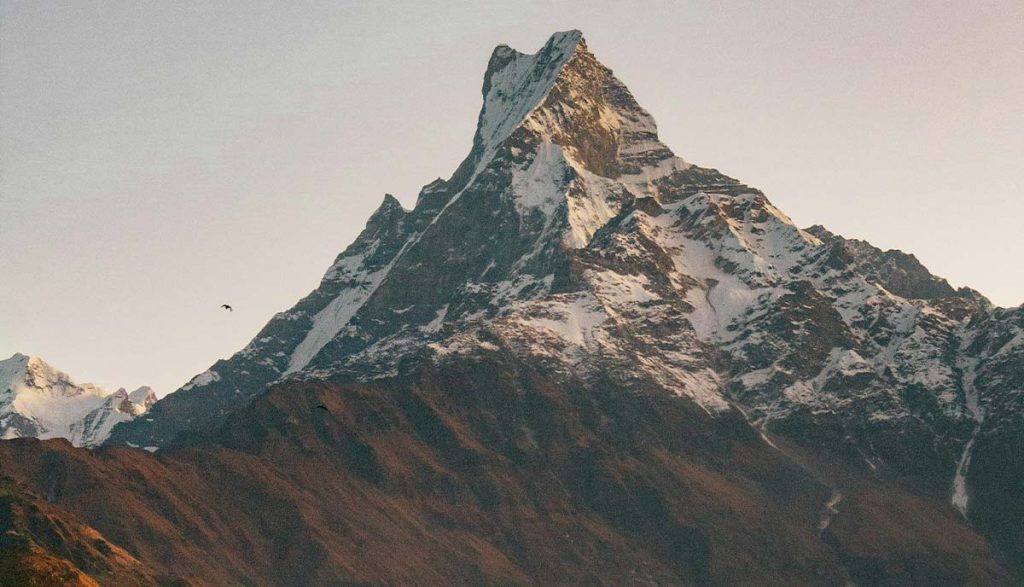
Permits for Mardi Himal are straightforward, but this is one of those details that can derail a trek if you get it wrong at the start. If you are planning the route independently or comparing guided options, understanding the Mardi Himal trek permit rules early will save time in Pokhara and help you avoid problems at checkpoints on the trail.
Mardi Himal is a relatively short trek in the Annapurna region, usually completed in 4 to 7 days depending on your itinerary. Because it sits inside a protected trekking area, you need the right documents before entering the route. The good news is that this is not one of Nepal’s more permit-heavy treks. The better news is that for most trekkers, the permit process is simpler than it used to be.
Which Mardi Himal trek permit do you need?
For the Mardi Himal Trek, the key permit is the Annapurna Conservation Area Permit, commonly called the ACAP. Since the route runs inside the Annapurna Conservation Area, this is the main document checked for access.
In many older blog posts, you will also see mention of a TIMS card. That creates confusion because permit rules in Nepal have shifted over time, especially around independent trekkers and guide requirements. For Mardi Himal, the ACAP is the permit that matters most. Depending on how you are trekking and the most current enforcement policy, additional documentation or guide arrangements may apply, but the conservation area permit remains the core requirement.
That distinction matters because trekkers often show up expecting a long permit list when, in practice, the route itself is relatively simple from a paperwork standpoint. The bigger planning question is no longer just permits. It is whether current trekking regulations require you to trek with a licensed guide.
Mardi Himal trek permit cost
The Annapurna Conservation Area Permit for foreign nationals typically costs NPR 3,000 per person. For SAARC nationals, the cost is lower, and Nepali citizens follow a different fee structure.
Permit pricing in Nepal can change, and government policies are not always updated everywhere at the same pace. That is why it is smart to verify the latest fee shortly before arrival rather than relying on an article that may have been written a year or two ago. Still, for most international travelers budgeting for the trek, NPR 3,000 is the figure you should expect for the ACAP.
There are a few practical points worth keeping in mind. Permit fees are generally paid in Nepal, and carrying some local currency helps. Passport details are usually required, and you should have passport photos available if the issuing office requests them, even though some systems are now more digital than they once were.
Do you still need a TIMS card?
This is where most confusion starts. Historically, trekkers in Nepal often needed both an area permit and a TIMS card. Many articles still repeat that formula without explaining that regulations have changed.
For the Mardi Himal route, the more current planning issue is not really whether you need TIMS in the old sense, but whether your trek must be arranged with a licensed guide under current Nepal tourism rules. In practice, policy enforcement can vary, and not every checkpoint experience is identical. That is why trekkers should be cautious about treating outdated forum advice as definitive.
If you are booking through a trekking agency or guide service, the permit side is usually handled for you. If you are trying to organize the trek on your own, you should confirm the latest rule before you travel, especially if you are counting on trekking solo.
Where to get the Mardi Himal trek permit
Most trekkers arrange the ACAP in Kathmandu or Pokhara before starting the trek. Since many Mardi Himal itineraries begin near Pokhara, getting permits there is often the most convenient option.
If you are already in Nepal and moving quickly toward your trek date, Pokhara is usually the practical choice. If you are building a longer Nepal itinerary that includes time in Kathmandu first, you may decide to get the permit there and avoid last-minute admin later. Either approach works, as long as you have the permit before you enter the trail.
A guided trek makes this easier because the agency typically prepares the paperwork, submits the required documents, and confirms that your permits match the route you are actually doing. For first-time trekkers in Nepal, that convenience is not just about saving time. It reduces the chance of permit mistakes, route mismatches, or confusion around current enforcement.
What documents do you need?
To obtain the permit, you will generally need your passport and a few personal details. Some offices may ask for passport photos. Travel insurance details are not usually part of the permit itself, but you should still have proper trekking insurance that covers high altitude and emergency evacuation.
If you are trekking with a guide or agency, they may request your passport copy in advance so they can prepare everything before the trek begins. That is common and can make departure day much smoother.
One point many trekkers overlook is matching permit plans to actual route plans. If you are combining Mardi Himal with other Annapurna-area trekking segments, make sure your support team understands the full itinerary. Permit coverage can be simple, but route logistics still need to be accurate.
Are permits checked on the trail?
Yes, permits can be checked at control points along the Annapurna trekking network. On Mardi Himal, checks are not usually the most stressful part of the trek, but they are routine enough that you should assume your paperwork will be reviewed.
Keep your permit accessible rather than buried in your duffel or deep in your pack. A printed copy or official document should be easy to present. If you are trekking with a guide, they often help manage this at checkpoints, which keeps things efficient.
The purpose of these checks is not just administrative. Conservation area permits contribute to managing and protecting trekking regions that receive heavy visitor traffic. In that sense, permit compliance is part of responsible trekking, not just a box to tick.
Does a guide affect the Mardi Himal trek permit process?
Yes, and for many trekkers this is the real planning issue. Even though Mardi Himal is considered one of the more accessible treks in the Annapurna region, regulations around guided trekking in Nepal have changed the independent trekking landscape.
If current enforcement requires a licensed guide for foreign trekkers on your planned route, then your permit process becomes tied to that arrangement. That does not necessarily make the trek harder to organize. In many cases, it makes it easier because the guide or agency handles permits, transport coordination, and checkpoint questions.
The trade-off is cost versus independence. Some trekkers prefer to move at their own pace without a guide. Others find that local support improves safety, route confidence, and overall efficiency, especially in a country where rules can shift and logistics are not always obvious from online research alone.
For Mardi Himal specifically, a guide can be particularly useful in poor weather, during shoulder seasons, or if you are new to trekking in Nepal. The trail is not technically difficult, but navigation, accommodation logistics, and changing mountain conditions can still catch people off guard.
Common permit mistakes to avoid
The most common mistake is relying on outdated information. Nepal trekking rules can change faster than search results do, so a blog post from a few seasons ago may not reflect the current reality.
Another mistake is assuming a short trek means fewer formalities. Mardi Himal is shorter than many classic Nepal treks, but it still sits in a regulated conservation area. Short does not mean permit-free.
A third issue is leaving permits until the last possible moment. That can work, but it adds pressure if offices are busy, if documents are missing, or if you are trying to start early the next morning. Giving yourself one administrative buffer day in Pokhara is often a smart move.
Is the permit process hard?
No, not usually. Compared with restricted-area treks in Nepal, Mardi Himal is one of the easier routes to prepare for from a permit perspective. You are not dealing with a complicated stack of special authorizations or high permit fees.
What makes it feel confusing is the overlap between older TIMS-based advice and newer guide-related policies. Once you separate those two issues, planning becomes much clearer. The core route permit is simple. The part you need to verify carefully is how current trekking regulations apply to your style of travel.
If you want the least friction, arranging the trek through an operator that handles permits and on-the-ground logistics is often the cleanest option. If you prefer to plan independently, double-check current rules shortly before departure and carry the required documents in order.
A permit is a small part of the Mardi Himal experience, but getting it right sets the tone for the whole trek. When your paperwork, guide plan, and route logistics are settled before you leave Pokhara, you can focus on the things that actually matter on the mountain – pacing well, staying healthy, and enjoying the ridge views when they finally open up.