If you are stuck between gokyo lakes vs everest base camp, the decision usually comes down to one question: do you want the classic Everest goal, or a quieter trek with stronger mountain panoramas and less trail traffic? Both routes sit in the Khumbu, both demand respect for altitude, and both can be excellent choices. But they do not feel the same on the ground.
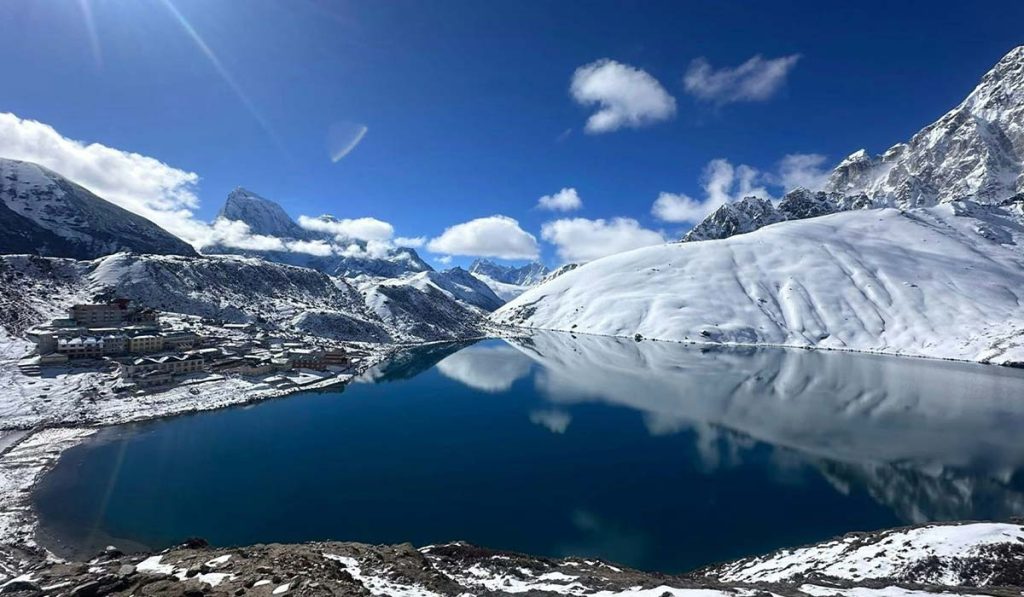
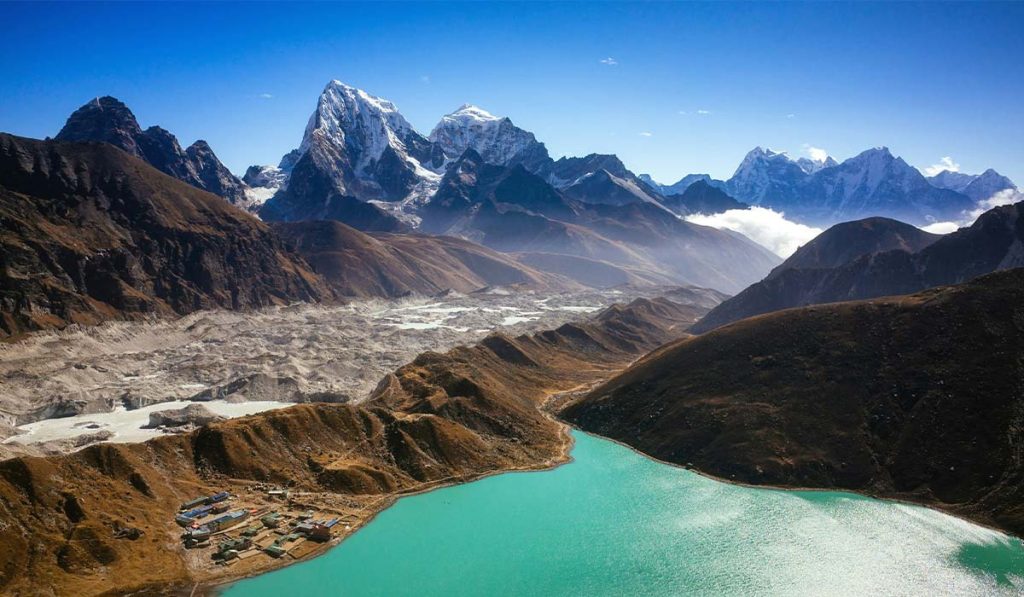
For many trekkers, Everest Base Camp is the name they have carried for years. It has the pull of a famous objective, the cultural energy of the main Khumbu trail, and the satisfaction of reaching one of trekking’s best-known endpoints. Gokyo Lakes is different. It is more about scenery spread across the whole route – turquoise lakes, Ngozumpa Glacier, and the wide summit view from Gokyo Ri – rather than one iconic finish point.
Gokyo Lakes vs Everest Base Camp: the core difference
Everest Base Camp is the more classic and more crowded trek. The route follows the main valley through Namche Bazaar, Tengboche, Dingboche, and Lobuche before reaching base camp. Along the way, you get the Sherpa heartland, major monasteries, and a strong sense of moving deeper into the Everest region’s main corridor.
The Gokyo Lakes Trek branches off after Namche and heads toward Dole, Machhermo, and Gokyo. It feels more spacious and often calmer, especially once you leave the main EBC traffic. The lakes themselves are a major visual reward, and Gokyo Ri gives one of the best non-technical viewpoints in Nepal.
If your priority is saying you stood at Everest Base Camp, the choice is simple. If your priority is overall scenery, a more peaceful trail, and a route many trekkers find more beautiful day to day, Gokyo often has the edge.
Which trek is harder?
This is where many comparisons get oversimplified. Neither trek is easy, and both are harder because of altitude rather than technical terrain. For most reasonably fit trekkers, the difference in physical difficulty is not huge.
Everest Base Camp usually involves more days spent on the busier main trail and a final push to base camp that can feel long and tiring, especially after several days above 14,000 feet. The sunrise climb to Kala Patthar is also strenuous because it is steep, cold, and done at very high elevation. Many trekkers rate Kala Patthar as harder than the walk to base camp itself.
Gokyo Lakes has sustained uphill sections and also reaches serious altitude. The climb to Gokyo Ri is steep, and if you add Cho La Pass to combine Gokyo with EBC, the difficulty increases clearly. But on the standard Gokyo route without a pass crossing, many trekkers find it slightly less punishing than a full EBC itinerary.
Altitude is the real equalizer. You can be a strong hiker and still struggle if you ascend too fast, sleep poorly, or ignore symptoms. The safer choice is not automatically the shorter or more famous trek. It is the itinerary with enough acclimatization built in.
Altitude and acclimatization
Both treks demand serious altitude planning. Everest Base Camp typically tops out around 17,598 feet at Kala Patthar, while Gokyo Ri reaches about 17,575 feet. In practical terms, there is no meaningful difference in altitude exposure. Both can trigger acute mountain sickness if rushed.
The better question is how the itinerary is paced. A well-designed EBC plan usually includes acclimatization nights in Namche Bazaar and Dingboche. A solid Gokyo itinerary often uses Namche and Machhermo or Gokyo itself for acclimatization progression. If you are choosing between operators or building your own route, this matters more than small route differences on paper.
Trekkers who are nervous about altitude sometimes assume Gokyo is safer because it is quieter. Quieter does not mean lower. It can feel mentally easier because there is less crowd pressure and less temptation to keep pace with faster groups, but the elevation is still serious. Whichever route you choose, build in rest days, hydrate consistently, and be willing to descend if symptoms worsen.
Views and overall scenery
This is the category where Gokyo often wins.
Everest Base Camp delivers a classic progression through the Khumbu, with excellent mountain views throughout and the dramatic high-altitude landscape around Lobuche and Gorak Shep. But the base camp itself is not always the visual climax people expect, especially outside the climbing season. You are standing on a rocky glacier-side area rather than looking at a single sweeping postcard scene.
The biggest visual payoff on the EBC route is often Kala Patthar. That is where you get the broad Everest view many trekkers imagine.
Gokyo, by contrast, offers scenery that feels more consistently spectacular. The lakes are unique in the region, the setting near the Ngozumpa Glacier is dramatic, and Gokyo Ri provides an expansive panorama that many experienced trekkers prefer to Kala Patthar. You see Everest, Lhotse, Makalu, and Cho Oyu, along with the lakes below. It feels wide, open, and less obstructed.
If your decision rests mostly on which trek is prettier, Gokyo Lakes is the stronger pick for many people.
Crowds, trail atmosphere, and teahouses
Everest Base Camp is one of the world’s most famous treks, so trail traffic is part of the experience. In peak spring and fall seasons, expect busy teahouses, more organized groups, and heavier foot traffic, especially from Lukla to Namche and again above Dingboche. Some trekkers enjoy this energy. It can feel social, motivating, and reassuring if it is your first Himalayan trek.
Gokyo is generally quieter once you split off from the main trail. The teahouse network is still well established, but villages are smaller and evenings tend to feel calmer. For trekkers who want more space, fewer crowds at viewpoints, and a more reflective trail atmosphere, this is a major advantage.
That said, busier is not always worse. The EBC route usually offers more lodging options, more consistent resupply, and a little more flexibility if plans change due to weather or health.
Logistics, time, and cost
Logistically, both treks begin similarly, usually with a flight to Lukla or an alternative approach if flights are disrupted. Both require permit planning, cash for teahouses and meals, and realistic buffers for weather delays.
Everest Base Camp is often planned as a 12-14 day trek from Lukla and back, though many itineraries run longer depending on acclimatization and side trips. Gokyo Lakes commonly fits into a similar time frame, sometimes with a slight advantage in efficiency depending on the route design. If you combine Gokyo with EBC via Cho La Pass, expect a longer and more demanding itinerary.
Costs are usually close. EBC can be a little more expensive in practice during peak season because the route is more popular and demand is intense. But the difference is rarely dramatic enough to make the decision for you. Your total budget will be affected more by guide choice, porter support, flight changes, gear needs, and how many contingency days you build in.
Who should choose Everest Base Camp?
Choose EBC if the classic objective matters to you. For some trekkers, anything else feels like a substitute, and there is no reason to ignore that. Motivation counts at altitude, and the emotional pull of reaching base camp can carry you through hard days.
EBC also suits travelers who want the most established route, a highly social trail, and the cultural landmarks of the main Khumbu corridor. If you are comfortable with crowds and want the best-known Everest-region experience, it is a strong choice.
Who should choose Gokyo Lakes?
Choose Gokyo if you care most about scenery, want a quieter route, and like the idea of a less crowded Everest-region trek without giving up major high-altitude views. It is also a smart option for trekkers who want something iconic but slightly less overtraveled.
For photographers and landscape-focused hikers, Gokyo often feels more rewarding over the full duration of the trek. The route has fewer of the “get to the endpoint” miles that some trekkers feel on the upper EBC trail.
The best answer for many trekkers
If you have the time, fitness, and budget, the strongest Everest-region itinerary is often not gokyo lakes vs everest base camp at all. It is combining both. The Gokyo to EBC circuit via Cho La Pass gives you the lakes, Gokyo Ri, the classic base camp finish, and a more complete experience of the Khumbu. But this is only the right choice if you are prepared for a tougher route and a more committing high-altitude schedule.
For everyone else, the decision is simpler. Pick Everest Base Camp if the destination itself is your reason for coming. Pick Gokyo Lakes if you want the better all-around trekking experience. If you are still unsure, lean toward the route that matches your motivation honestly, then build the itinerary around acclimatization, weather margins, and the kind of support you want on the ground. A well-paced trek will matter more than choosing the route with the louder reputation.