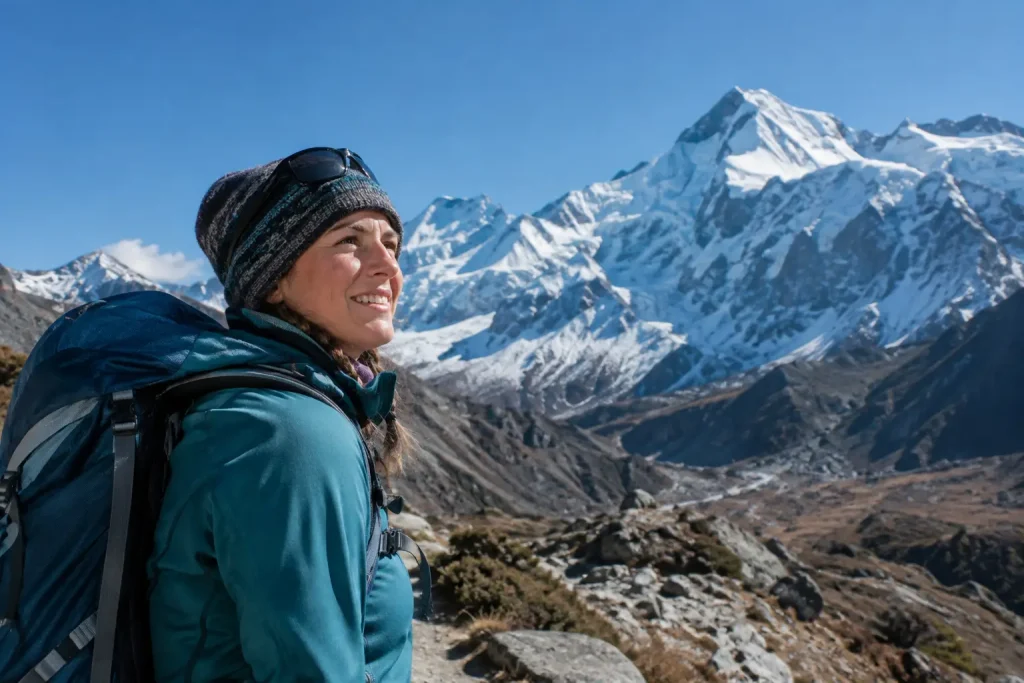
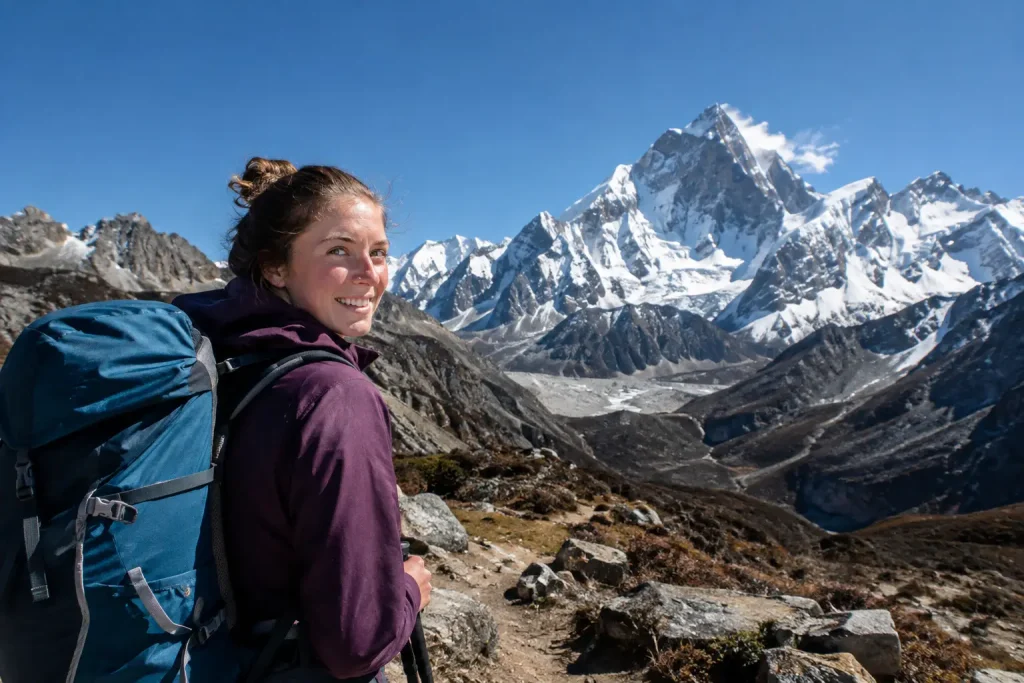
The difference between a clear sunrise at Mardi Himal Base Camp and a cold, clouded turnaround can come down to one planning decision: when you go. Mardi Himal weather by month changes quickly with altitude, from warm and humid trailheads near Kande or Dhampus to exposed, freezing conditions above High Camp. Choose your dates around the conditions you can realistically handle, not just the calendar.
The standard Mardi Himal Trek reaches roughly 14,930 feet (4,550 meters) at Mardi Himal Base Camp. Weather forecasts can be useful before departure, but they are not precise enough to replace sound preparation. Mountain cloud, wind, rain, and snow can develop within hours, especially near the ridge above High Camp.
Mardi Himal Weather by Month at a Glance
For most trekkers, October and November provide the most dependable combination of dry trails, clear mountain views, and manageable daytime temperatures. March and April are close behind, with warmer forests and rhododendron blooms but somewhat more afternoon cloud.
December, January, and February are quieter and can be spectacular after fresh snow, but cold temperatures and snow-covered upper trails make them a better fit for trekkers with proper winter equipment and flexibility. June through September is monsoon season. The trek remains possible, yet leeches, slippery trails, persistent cloud, and flight or road delays make it a less practical choice for travelers whose main goal is Himalayan views.
January
January is typically the coldest month on the route. Lower sections can be pleasant in daytime sun, while High Camp and Base Camp may fall well below freezing overnight. Snow can cover the ridge trail and obscure footing, particularly after a storm.
Clear winter days offer excellent visibility, but the cold limits your margin for error. Bring a warm sleeping system, insulated jacket, gloves, and traction devices if conditions require them. Start early on summit day, as wind exposure above High Camp can be significant.
February
February remains cold, though daytime temperatures gradually improve. Snow is still possible at High Camp and above, and shaded sections can remain icy. It is a viable month for prepared trekkers who want quieter trails and clear skies without the deepest part of winter.
Check current snow conditions locally before leaving Pokhara. A light snow layer is manageable for many trekkers; deep or freshly fallen snow can slow the ascent considerably and make the final ridge less straightforward.
March
March marks the start of the main spring trekking season. Forest trails become warmer, snow begins to retreat, and the route sees more consistent foot traffic. Early March can still feel like winter at higher elevations, while late March is usually more comfortable.
Mornings often bring the clearest views. Clouds commonly build during the afternoon, so plan any viewpoint walks early rather than waiting for better light later in the day. This is a strong choice for trekkers who prefer moderate temperatures over peak autumn clarity.
April
April is one of the best months for the Mardi Himal Trek. Rhododendron forests are often in bloom, daytime temperatures are generally comfortable, and upper-route snow is less likely to cause major disruption. The trade-off is that haze and afternoon cloud can reduce long-range mountain views more often than in October or November.
Carry sun protection and enough water. Warm spring afternoons can feel surprisingly intense on exposed climbs, while temperatures at High Camp still drop sharply after sunset.
May
May is warm, green, and increasingly humid. At lower elevations, afternoon rain or thunderstorms become more common as the monsoon approaches. Higher up, mornings can still be rewarding, but cloud cover often arrives early.
May suits travelers who can accept variable visibility and who enjoy quieter trails before the monsoon. It is less ideal for a short itinerary with only one chance to see Machhapuchhre, Annapurna South, and Hiunchuli from the ridge.
June
June begins the wet season in earnest. Rainfall increases, forest trails become muddy, and leeches are common in damp lower sections. Views may appear briefly in the early morning, but cloud frequently blocks the high peaks.
If June is your only travel window, waterproof footwear or gaiters, a reliable rain jacket, dry bags, and a flexible itinerary matter more than usual. Avoid treating rain gear as optional. Wet clothing at High Camp can quickly become a comfort and safety problem.
July
July is usually the wettest and cloudiest period on the Mardi Himal route. Heavy rain can make steep stone steps and forest paths slippery, while low cloud may remain throughout the day. The landscape is lush, but this is not the season for dependable mountain panoramas.
Road access around Pokhara can also be affected by rain-related delays. Build buffer days into international travel plans and expect trail conditions to be slower than dry-season estimates suggest.
August
August brings similar monsoon conditions, including wet trails, leeches, and frequent cloud. There can be brief clear spells, especially after overnight rain, but they are unpredictable. Trekkers should also pay closer attention to hygiene, water treatment, and keeping gear dry.
The route is generally less crowded, but solitude is not enough reason to underestimate the season. For first-time Himalayan trekkers, autumn or spring offers a more forgiving introduction.
September
September is a transition month. Early September can still be very wet, while conditions often improve noticeably later in the month. Vegetation remains lush, waterfalls are full, and the air gradually becomes clearer as monsoon moisture recedes.
Late September can be an excellent value window if you have some schedule flexibility. Do not assume it will perform like October, however. Rain, cloud, and occasional trail disruption remain possible.
October
October is the most popular month for good reason. Monsoon rain has usually cleared, daytime trekking conditions are comfortable, and mountain views are often at their sharpest. The route is busier, particularly around High Camp, but it rarely feels crowded in the way more heavily traveled Nepal treks can.
Temperatures vary greatly by elevation. Expect pleasant walking weather in the forests and a cold pre-dawn start for Base Camp. A layered clothing system is more useful than one heavy jacket during the day, while insulation becomes essential at night.
November
November is another top choice, often with exceptionally stable weather and dry trails. Visibility remains excellent, and the forests are generally less humid than in October. Nights become colder as the month progresses, especially above Low Camp.
For travelers who prioritize clear views and can manage freezing temperatures at High Camp, November may be the best balance of conditions. Book accommodation and transport early if your dates fall around major holiday periods.
December
December starts dry and clear but becomes progressively colder. Early December can offer outstanding trekking conditions with fewer people than October and November. By late month, snow and icy upper trails become more likely.
This is a good month for experienced hikers, or fit first-time trekkers traveling with a knowledgeable guide and appropriate gear. The key is flexibility: a winter storm may require an extra night, an earlier turnaround, or a change to a lower viewpoint.
How Altitude Changes the Forecast
A Pokhara forecast does not describe the weather at Mardi Himal Base Camp. The trek begins in a relatively mild, subtropical environment and climbs into alpine terrain over only a few days. As elevation rises, temperatures drop, wind increases, and rainfall can turn to snow.
At lower elevations, daytime temperatures in spring and autumn may feel warm enough for a short-sleeve layer. At High Camp, the same day can end below freezing. Plan for cold mornings, rapid weather shifts, and a substantial temperature swing between sun and shade.
Weather also affects altitude decisions. A slow pace in rain, snow, or thick fog can lengthen the day and leave less energy for acclimatization. Headache, nausea, dizziness, unusual fatigue, and loss of coordination should never be dismissed as bad weather alone. Descending remains the correct response if symptoms worsen.
What to Pack for Variable Conditions
The essentials change slightly by season, but every trekker needs a waterproof outer layer, insulating midlayer, warm hat and gloves, sun protection, and a headlamp for early starts. In winter, add traction devices if current trail conditions call for them, warmer gloves, and extra insulation. During monsoon, prioritize waterproof packing, quick-drying layers, and leech protection for lower forest sections.
Do not pack for average temperatures alone. Pack for the coldest, wettest part of the route you may encounter. A guide can help assess trail conditions, but you should arrive with clothing and footwear that allow for a conservative decision if weather deteriorates.
The best month is the one that matches your priorities. Choose October or November for the strongest odds of clear views, March or April for warmer trails and spring color, and winter only if you are comfortable with cold and possible snow. Whichever window you choose, leave room in your itinerary for the mountains to set the pace.