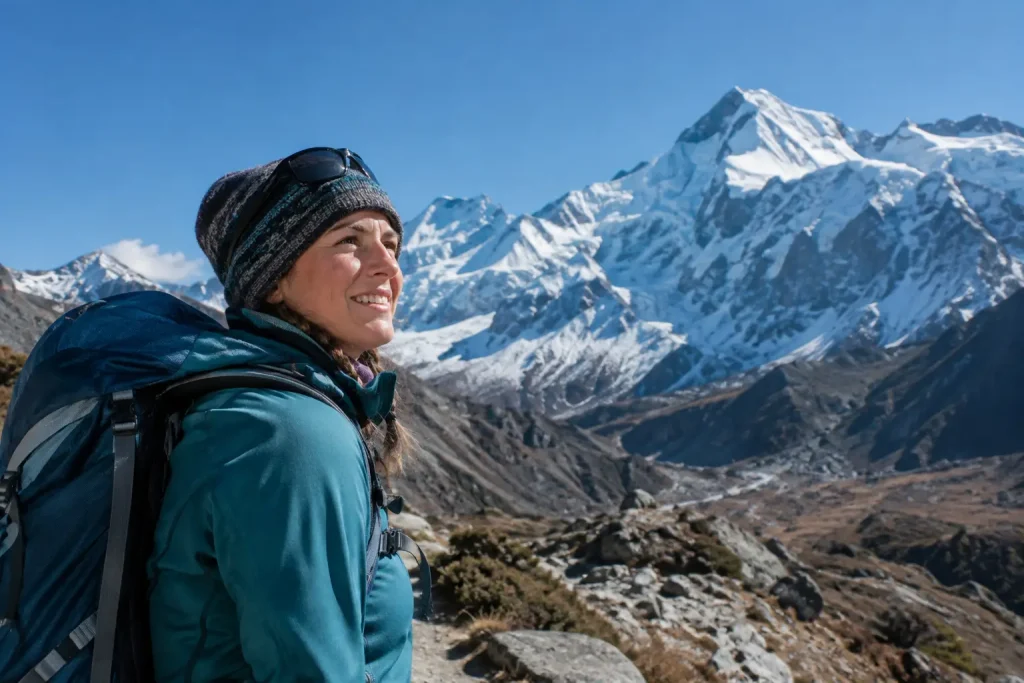
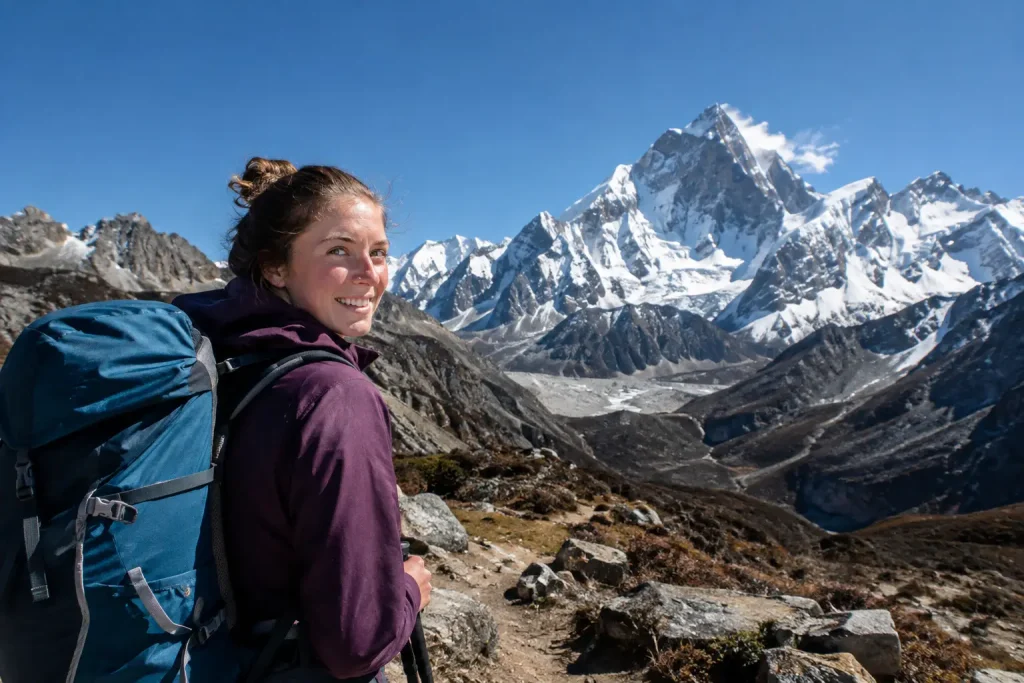
October is when Nepal’s high trails are at their busiest for a reason: monsoon rain has cleared the summer haze, teahouses are open, and long mountain views become more reliable. But the best Nepal trek in October is not automatically the highest or most famous route. Your available days, experience above 10,000 feet, tolerance for busy trails, and willingness to acclimatize should decide it.
For most trekkers, October offers stable trekking conditions rather than guaranteed perfect weather. Clear mornings are common, afternoons can cloud over, and high passes may still receive an early-season snowfall. Choosing a route with the right elevation profile matters more than chasing a single “best” trek.
Why October Is Nepal’s Prime Trekking Month
October falls in Nepal’s main post-monsoon trekking season. In the lower valleys, daytime temperatures are generally comfortable for hiking, while high-altitude mornings and nights are cold enough to require a warm down jacket and sleeping layers. Visibility is often excellent, particularly after a clear night.
The trade-off is crowding. Everest and Annapurna teahouses can fill during peak weeks, especially around major holidays and on popular routes. Flights to Lukla may be delayed by weather or air traffic, while rooms at busy stops can be limited. Booking early and keeping one or two buffer days at the end of an Everest-region itinerary is sensible.
October is also a strong month for first-time Himalayan trekkers, provided they choose a route that allows gradual acclimatization. Good weather does not eliminate altitude risk. Acute mountain sickness can affect fit hikers as readily as those with less training.
Best Nepal Trek in October at a Glance
| Trek | Typical Duration | Highest Point | Best For | Main Consideration | | — | —: | —: | — | — | | Gokyo Lakes Trek | 12-14 days | 17,575 feet | High-altitude scenery and Everest views | Requires careful acclimatization | | Langtang Trek | 7-10 days | 16,955 feet | A shorter Himalayan trek | Steep altitude gain from Kyanjin Gompa | | Mardi Himal Trek | 5-7 days | 14,927 feet | Trekkers with limited time | Narrow, busy trail sections in peak season | | Pikey Peak Trek | 7-9 days | 13,336 feet | Quieter trails and Everest sunrise views | More basic logistics than major routes | | Poon Hill Trek | 4-6 days | 10,531 feet | Beginners and shorter trips | Lower altitude, less remote feel | | Annapurna Circuit | 12-16 days | 17,769 feet | A long, varied classic trek | Thorong La demands strong pacing and weather flexibility |
Gokyo Lakes Trek: Best for High-Altitude Views
The Gokyo Lakes Trek is one of the best choices in October for trekkers who want Everest-region landscapes without following only the standard Everest Base Camp itinerary. The route combines Sherpa villages, the Ngozumpa Glacier, turquoise lakes, and the panoramic viewpoint of Gokyo Ri.
At 17,575 feet, Gokyo Ri is high enough that acclimatization is the central planning issue. A sensible itinerary includes rest and acclimatization days in Namche Bazaar and Gokyo, with slow ascent days rather than compressed schedules. October’s clear conditions can make the view from Gokyo Ri exceptional, but temperatures before sunrise are often well below freezing.
This trek suits hikers with 12 to 14 days, solid cardiovascular fitness, and some comfort with sustained altitude. It is less suitable for travelers trying to fit an Everest trek into a tight vacation window. Flight delays, acclimatization, and the possibility of a weather day all need room in the itinerary.
Langtang Trek: Best Shorter High-Mountain Option
The Langtang Trek is a practical October choice for travelers who want dramatic Himalayan terrain but do not want to depend on a Lukla flight. The trail begins after a road journey from Kathmandu and follows the Langtang Valley through forest, villages, and increasingly open alpine country to Kyanjin Gompa.
From Kyanjin Gompa, optional climbs to Kyanjin Ri or Tserko Ri provide broad views of Langtang Lirung and surrounding glaciers. These side hikes are strenuous, but they are also where the route delivers its biggest mountain rewards.
Langtang is often described as easier than Everest trekking because it is shorter and logistically simpler. That is partly true, but it should not be mistaken for a low-altitude walk. Tserko Ri reaches nearly 17,000 feet, and the valley ascent can feel demanding if hikers move too quickly. Plan at least one night in Kyanjin Gompa before attempting a high viewpoint.
Mardi Himal Trek: Best for Limited Time
For travelers with less than a week, Mardi Himal is among the best Nepal treks in October. Starting near Pokhara, it climbs through rhododendron forest to a ridge with close views of Machhapuchhre, Annapurna South, and Hiunchuli. The High Camp to viewpoint section is the route’s most memorable and most exposed day.
The trek is shorter than the Annapurna Circuit or Gokyo, but it is not effortless. Expect steep, uneven trails, frequent uphill walking, and basic teahouse facilities at higher stops. October can bring busy conditions on the ridge, so starting hiking days early helps avoid both crowds and afternoon cloud.
Mardi Himal works well for fit beginners who have trained on hills and understand that trekking days may involve five to seven hours of walking. It is also a good add-on to time in Pokhara. However, anyone with significant concern about steep descents should consider Poon Hill instead.
Pikey Peak Trek: Best for Quieter Everest Views
Pikey Peak offers a less crowded route with one of Nepal’s strongest sunrise panoramas. From the summit, trekkers can see a long sweep of Himalayan peaks that may include Everest, Makalu, Kanchenjunga, Lhotse, and the Rolwaling range on a clear October morning.
Its lower maximum elevation makes Pikey Peak a strong choice for hikers who want mountain scale without sleeping as high as on Gokyo or the Annapurna Circuit. It still requires good conditioning. The trail includes repeated climbs and descents, and the lodge network is more modest than in the Everest Base Camp corridor.
October is particularly suitable here because the views are clearer and village trails are generally dry. Choose Pikey Peak if solitude, cultural villages, and a manageable altitude profile matter more than reaching a famous base camp.
Poon Hill Trek: Best for First-Time Trekkers
The Poon Hill Trek remains one of the most dependable first Himalayan treks in October. It offers a classic Annapurna sunrise viewpoint, well-established teahouses, and a maximum elevation that dramatically reduces the likelihood of altitude illness compared with higher routes.
That does not mean the trek is easy. The stone stair sections around Ulleri and Ghorepani can be tough, particularly for hikers carrying a pack. Still, the route is short, accessible from Pokhara, and forgiving for travelers who are building confidence before a longer high-altitude trek.
Poon Hill is the right decision when a first Himalayan experience, a family-friendly itinerary, or a short Nepal visit is the priority. It is not the best choice for those seeking remote terrain or the physical challenge of a high pass.
Annapurna Circuit: Best for a Long, Varied Trek
The Annapurna Circuit is a strong October option for experienced hikers who have two weeks or more and want a journey with real geographic variety. The route moves from subtropical valleys to dry trans-Himalayan landscapes before crossing Thorong La Pass at 17,769 feet.
The pass is the decisive challenge. Trekkers begin before dawn, often in freezing temperatures, and must maintain steady movement over a long, high day. A rushed itinerary raises the risk of altitude illness and can turn a rewarding crossing into an unsafe one.
Road construction has changed parts of the traditional circuit, so route design matters. Many trekkers use side trails or combine selected sections with local transport. A carefully planned itinerary can preserve the best scenery while allowing adequate acclimatization in Manang.
How to Choose the Right October Route
Start with time, not ambition. A six-day vacation points toward Mardi Himal or Poon Hill; eight to ten days opens Langtang or Pikey Peak; and 12 or more days allows Gokyo or the Annapurna Circuit with the buffer days they deserve.
Next, assess altitude experience honestly. If you have never slept above 10,000 feet, a route like Poon Hill, Mardi Himal, or Pikey Peak may be a better first step than a fast Everest itinerary. Fitness helps you enjoy the trail, but acclimatization depends on gradual ascent, rest, hydration, and paying attention to symptoms.
Finally, decide how you feel about crowds. The best-known routes offer the deepest teahouse infrastructure and straightforward logistics, but October brings more people. Pikey Peak and parts of Langtang can provide more breathing room. A local guide can also be valuable for navigation, pacing, permits, and making sound decisions if weather or health changes the plan.
October Permits, Packing, and Safety
Permit requirements differ by region. Annapurna routes require Annapurna Conservation Area documentation, Langtang requires Langtang National Park entry, and Everest routes use national park and local-area permits. Requirements and fees can change, so confirm them before departure rather than relying on an old packing forum or itinerary.
Pack for warm sun and cold high camps. A waterproof shell, insulated jacket, warm gloves, sun protection, broken-in boots, and a refillable water system are standard October essentials. Bring enough cash for mountain expenses, since card access and ATMs are unreliable beyond major towns.
For any trek above roughly 10,000 feet, build acclimatization days into the route before booking flights. Do not ascend with worsening headache, nausea, dizziness, or unusual fatigue. The safest response to significant altitude symptoms is to stop ascending and descend if symptoms do not improve.
A well-matched route lets October’s clear skies feel like a reward rather than a test of endurance. Choose the trek that gives you enough time to walk slowly, sleep well, and notice where you are.