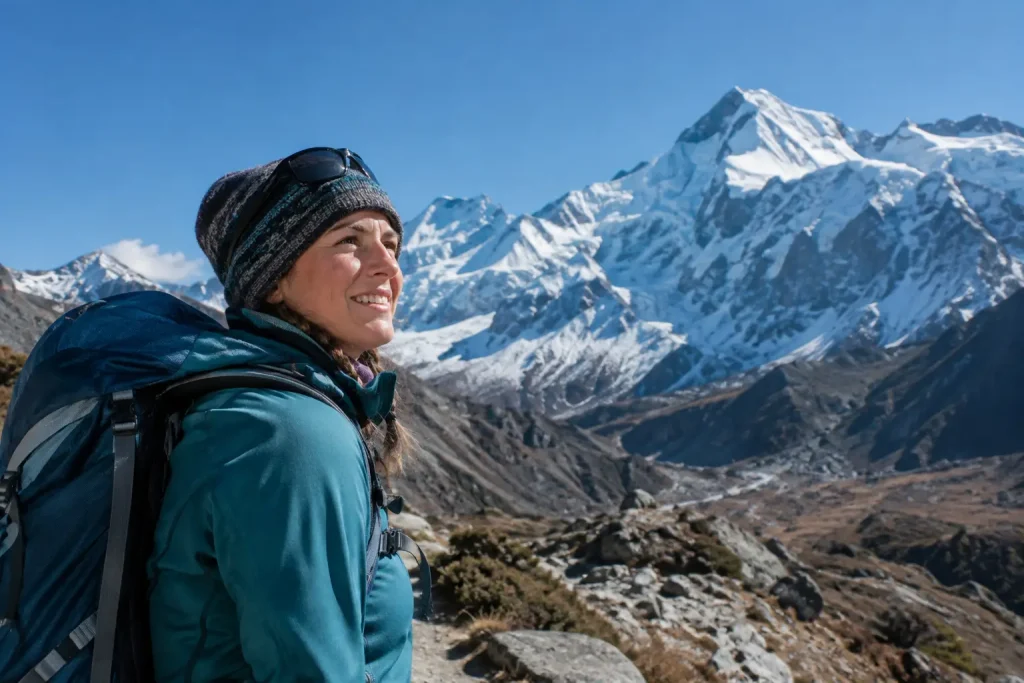
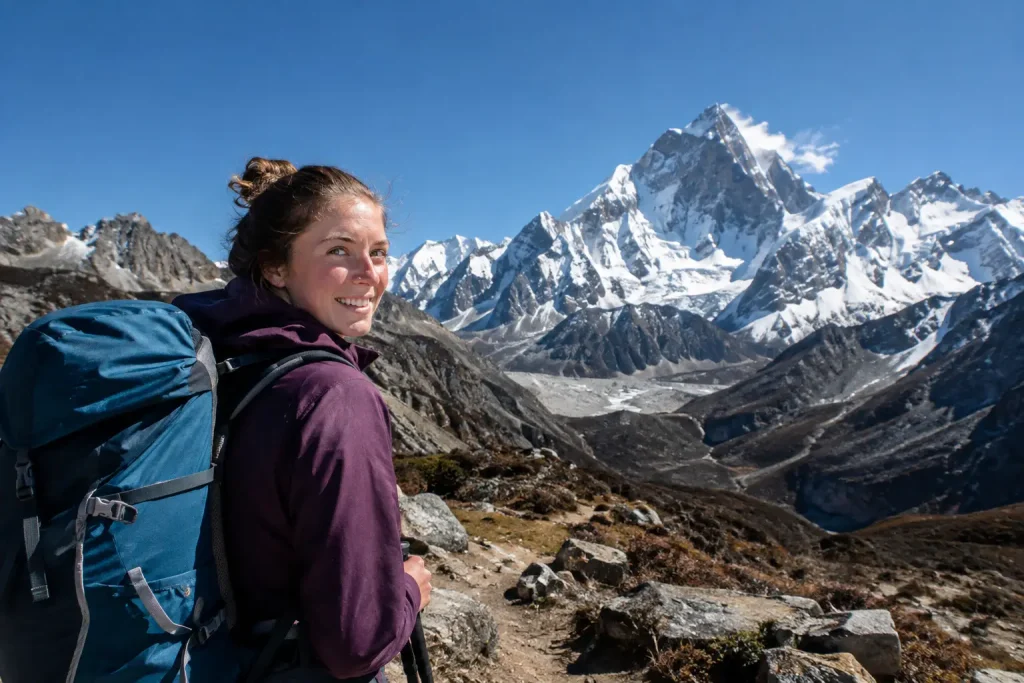
A headache at 15,000 feet is not automatically altitude sickness, but it is never something to dismiss on a Himalayan trek. Poor sleep, dehydration, a hard ascent, sun exposure, and a developing altitude illness can feel similar at first. Altitude medication for trekkers can be useful, particularly on routes with rapid elevation gain, but no pill makes it safe to outpace acclimatization.
For most trekkers in Nepal, the best altitude strategy is a well-designed itinerary, conservative ascent profile, hydration, nutrition, and honest symptom reporting. Medication is an additional tool that should be discussed with a qualified clinician before departure, especially if you have heart, lung, kidney, or medication-related health considerations.
Why altitude medication matters on Nepal treks
Treks such as Gokyo Lakes, Everest Base Camp, Langtang, and Mardi Himal can take hikers above 12,000 feet, with high points well beyond that level. At these elevations, the lower oxygen pressure can trigger acute mountain sickness, commonly called AMS. Risk rises with elevation, sleeping altitude, rate of ascent, and individual susceptibility. Excellent fitness helps you walk uphill, but it does not reliably protect you from altitude illness.
The first symptoms of AMS are often headache combined with fatigue, nausea, reduced appetite, dizziness, or poor sleep. Mild symptoms may improve with rest and avoiding further ascent. If symptoms worsen, descending is the most dependable treatment. Medication may support a safe plan, but it must never become a reason to continue climbing when the body is signaling trouble.
Acetazolamide: the main preventive option
Acetazolamide, often known by the brand name Diamox, is the medication most commonly prescribed to help prevent AMS. It encourages breathing and assists the body’s acclimatization process. It does not mask altitude illness in the way that a pain reliever might, and it does not provide instant protection.
A clinician may recommend acetazolamide for trekkers with a previous history of AMS, a compressed itinerary, or a route where the sleeping elevation increases quickly. Many travelers begin it before reaching a high sleeping altitude and continue during the higher part of the trek. The correct dose and schedule depend on personal medical history and the specific itinerary, so follow the prescription rather than copying a friend’s plan.
Common acetazolamide side effects
Tingling in the fingers, toes, or lips is common and usually harmless. Trekkers may also notice increased urination, altered taste for carbonated drinks, nausea, or fatigue. Because the medication can increase urination, regular fluid intake is sensible, though forcing excessive water is not.
Acetazolamide is a sulfonamide medication. A past reaction to sulfa drugs needs a careful conversation with your clinician. The term “sulfa allergy” covers different reactions and does not always rule out acetazolamide, but this is a decision for a medical professional, not a lodge-side debate in Namche Bazaar.
A practical step is to discuss a short trial dose at home if your clinician agrees. That lets you identify unpleasant side effects before you are several days into a remote trek.
Dexamethasone is for specific situations, not routine prevention
Dexamethasone is a steroid that can rapidly improve symptoms of AMS and high-altitude cerebral edema, or HACE. HACE is a life-threatening condition in which fluid affects the brain. Warning signs include severe headache, confusion, loss of coordination, unusual behavior, and difficulty walking in a straight line.
This medication may be carried by guides or prescribed for trekkers who have particular risk factors, but it is not a substitute for descent. A person can feel better on dexamethasone while the underlying altitude problem remains dangerous. In a suspected HACE situation, descend immediately, seek emergency support, and use supplemental oxygen or a portable altitude chamber if available. Dexamethasone is a bridge to evacuation, not permission to stay high.
Nifedipine and high-altitude pulmonary edema
High-altitude pulmonary edema, or HAPE, involves fluid accumulation in the lungs and is also an emergency. Symptoms can include breathlessness while resting, a persistent cough, chest tightness, a marked drop in exercise ability, blue or gray lips, and crackling sounds in the chest. Someone who was walking comfortably the day before but is suddenly struggling to reach the dining room should be assessed immediately.
Nifedipine may be prescribed for people with a prior history of HAPE or used in an emergency under medical guidance. It lowers pressure in the lung circulation, but it can also lower blood pressure and cause dizziness. It is not a general-purpose altitude medication and should not be self-started for ordinary shortness of breath while climbing uphill.
What about ibuprofen, pain relievers, and sleep medication?
Ibuprofen can help treat an altitude-related headache and may have a limited role in AMS prevention for people who cannot take acetazolamide. However, it does not improve acclimatization. If a headache persists despite rest, fluids, food, and simple pain relief, consider AMS rather than repeatedly taking more medication.
Sleeping pills and sedating anti-anxiety medications deserve extra caution at altitude. They can suppress breathing, impair judgment, and make it harder to recognize worsening symptoms. Sleep is often lighter at high elevation, particularly during the first nights, but poor sleep alone is not a reason to take a sedative without specific medical advice.
For diarrhea, cold symptoms, pain, or allergies, bring only medications you understand and have used safely before. Combining several new medications while dehydrated and fatigued creates avoidable uncertainty.
When to take medication and when to descend
The key decision is not simply whether to take a tablet. It is whether your symptoms allow you to remain at the same altitude, whether you can safely ascend, or whether you need to go down.
With mild symptoms, stop ascending. Rest at the current sleeping elevation, eat and drink as tolerated, keep warm, and monitor symptoms closely. If you improve, a cautious continuation may be possible the following day. If symptoms persist, worsen, or include vomiting and increasing weakness, descend.
Descent is urgent when there is confusion, poor coordination, breathlessness at rest, a wet cough, chest symptoms, or a rapidly declining ability to walk. Do not leave an unwell trekker alone. On remote routes, a guide’s local knowledge, communication access, and evacuation coordination can make a meaningful difference.
Build an itinerary that needs less medication
The most reliable preventive measure is to gain elevation gradually. Once above roughly 10,000 feet, many itineraries aim to limit increases in sleeping elevation and include acclimatization days. Exact numbers are not a guarantee because terrain and individual response vary, but slow progression is consistently safer than rushing.
On the Gokyo Lakes Trek, for example, trekkers often spend multiple nights around Namche Bazaar and use an acclimatization hike before sleeping higher. On the Langtang Trek, the climb from lower valleys to Kyanjin Gompa can also feel rapid, making a measured pace and symptom checks especially relevant. A short itinerary may look efficient on paper, yet it can increase medical risk and reduce the chance of enjoying the route.
Avoid alcohol during early acclimatization and after a major ascent. Eat regularly even if appetite drops, protect yourself from cold, and keep your daypack accessible with water, snacks, layers, and essential medication. Most importantly, tell your guide or trekking partner about symptoms early. Concealing a headache to avoid delaying the group is one of the most common and dangerous mistakes at altitude.
Questions to ask your clinician before a Nepal trek
Before departure, discuss your highest planned sleeping altitude, the number of trekking days, your prior experience above 10,000 feet, and any history of AMS, HAPE, or HACE. Ask whether acetazolamide is appropriate, how to use it, what side effects require stopping, and whether you should carry an emergency medication plan.
Also review medication interactions, allergy history, asthma or other lung conditions, blood pressure concerns, pregnancy considerations, and travel insurance requirements. Bring prescribed medicines in original labeled containers, carry them in your hand luggage, and pack enough for weather delays or itinerary changes.
Altitude is manageable when trekkers respect it early. Choose an itinerary with room to acclimatize, carry medication only with a clear purpose, and treat descent as a sound decision rather than a failed summit attempt.