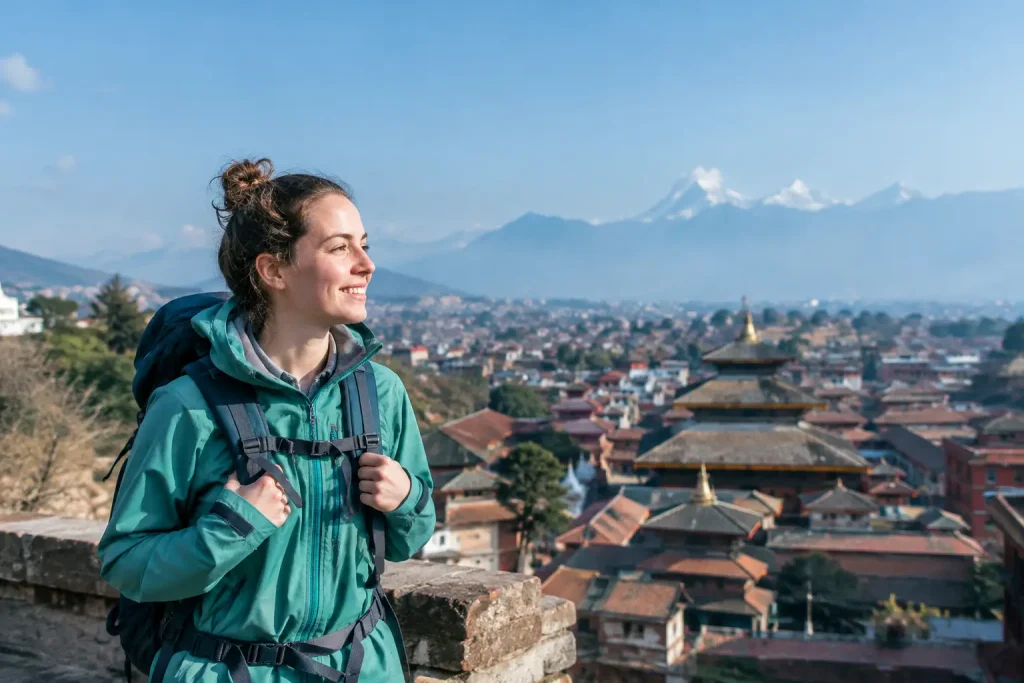
The first view from Gokyo Ri can make a strong case for itself: Cho Oyu, Everest, Lhotse, Makalu, and the immense Ngozumpa Glacier spread across one high-altitude panorama. But is Gokyo Trek worth it for every traveler? Not automatically. It is an exceptional alternative to the standard Everest Base Camp route, but its higher sleeping elevations, remote feel, and less predictable weather make preparation especially important.
For trekkers who want Himalayan lakes, major mountain views, and a quieter Everest-region experience, Gokyo is usually worth the additional effort. For travelers who mainly want to stand at Everest Base Camp or who are uncertain about acclimatization, a different route may be the better fit.
Why the Gokyo Trek stands out
The Gokyo Lakes Trek follows the Everest approach trail through Lukla, Phakding, Namche Bazaar, and the Khumbu Valley before turning west toward Dole, Machhermo, and Gokyo. That familiar beginning gives trekkers access to the region’s reliable teahouse network, while the later stages feel noticeably less busy than the main Everest Base Camp corridor.
Gokyo village sits beside the third and largest of the sacred Gokyo Lakes at roughly 15,580 feet (4,790 meters). The setting is more than a brief photo stop. On a clear morning, the deep blue lake, surrounding peaks, and glacier valley create one of the most distinctive landscapes in Nepal.
The principal viewpoint, Gokyo Ri, rises to about 17,575 feet (5,357 meters). It is a demanding early-morning climb, often on loose or frozen ground, but it provides one of the broadest Everest panoramas available on a teahouse trek. Many trekkers consider this view more rewarding than the view from Everest Base Camp itself.
Is the Gokyo Trek worth it for the views?
Yes, if mountain scenery is your main priority. Gokyo offers a different kind of Everest-region experience from the classic Base Camp itinerary. Everest Base Camp is an iconic destination, but the mountain itself is not fully visible from camp. The high viewpoints on the route, particularly Kala Patthar, provide the better visual reward.
Gokyo Ri is similarly demanding but delivers a wider mountain range. From its summit, trekkers can often see Everest, Lhotse, Makalu, Cho Oyu, and the massive Ngozumpa Glacier, the longest glacier in the Himalaya. The lakes add a landscape element that the Base Camp route does not have.
That said, no view is guaranteed. Clouds often build during the afternoon, and storms can obscure the mountains for days. If a clear panorama is central to your trip, build contingency days into your schedule rather than treating the Gokyo Ri ascent as a one-chance event.
Gokyo Trek versus Everest Base Camp
The choice usually comes down to your priorities. The Everest Base Camp Trek is the better choice if reaching Base Camp has personal significance, you want the most recognized route, or you prefer a busier trail with more lodges and services. It is also easier to explain to friends back home, which matters to some travelers more than they expect.
The Gokyo route is often better for trekkers who value scenery, want fewer crowds after Namche Bazaar, and are comfortable sleeping at higher elevations. It is not necessarily easier. Gokyo village is higher than Gorak Shep, the usual overnight stop before Everest Base Camp, and the approach requires sensible acclimatization.
Combining Gokyo with Everest Base Camp via Cho La Pass is an excellent option for experienced, well-acclimatized trekkers with enough time. However, it should not be treated as a casual upgrade. Cho La rises above 17,500 feet (5,300 meters), may involve snow and ice, and can be difficult when weather deteriorates. A 14- to 18-day itinerary with rest and weather flexibility is far more realistic than trying to rush the combined route.
Difficulty: what the itinerary really demands
The Gokyo Trek is generally considered a moderate to challenging high-altitude trek. Most days involve four to seven hours of walking, with long ascents and descents on uneven trails. You do not need technical climbing skills for the standard route, but you need reliable endurance, balance, and the ability to hike several consecutive days while carrying a daypack.
Altitude is the defining challenge. The route rises gradually at first, but the final nights are spent well above 14,000 feet (4,300 meters). At that elevation, sleep is often poor, appetite can decline, and a modest uphill can feel far harder than it would at home.
A good itinerary normally includes at least two acclimatization days, commonly in Namche Bazaar and Machhermo or an equivalent higher location. These are not days to remain inactive. Short hikes to a higher elevation followed by sleeping lower help your body adapt.
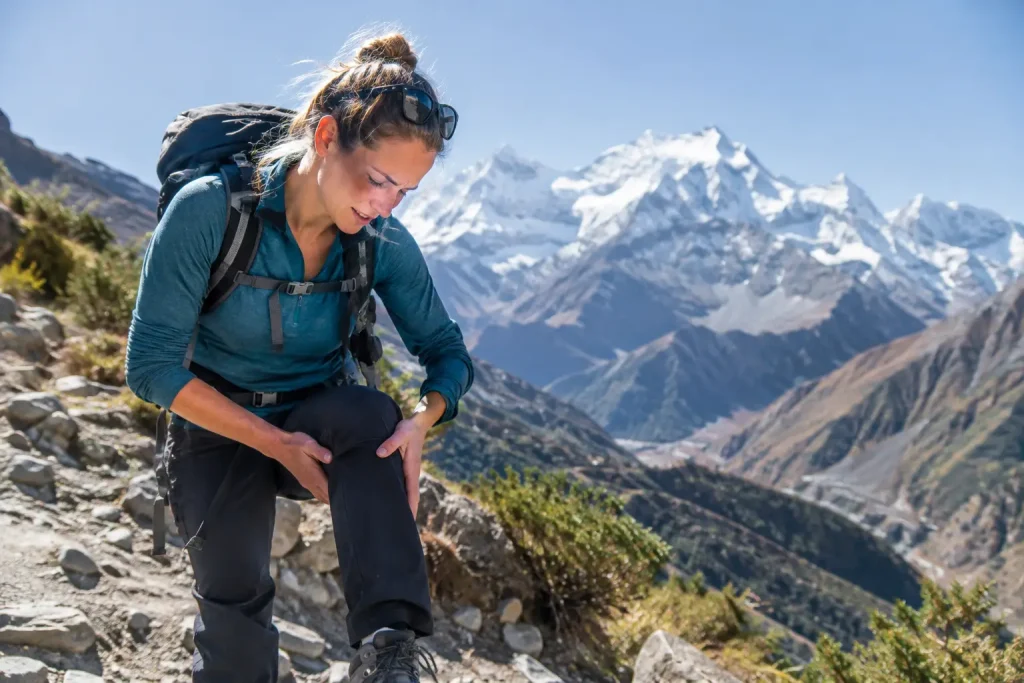
Watch for headache, nausea, dizziness, unusual fatigue, loss of coordination, or shortness of breath at rest. Do not try to out-tough altitude illness. If symptoms worsen despite rest, the appropriate response is to descend. Travel insurance that covers high-altitude trekking and emergency evacuation is essential.
Who should choose Gokyo?
Gokyo is a strong fit for first-time Himalayan trekkers who already have a consistent hiking base and are willing to follow a conservative itinerary. It also suits repeat visitors who have completed Everest Base Camp and want a quieter, more scenic route in the same region.
Before committing, aim to train for sustained uphill movement rather than only general gym fitness. Weekly hikes with elevation gain, stair sessions, leg strength work, and long walks on consecutive days are useful preparation. Your goal is not to become an elite athlete. It is to arrive with enough reserve that you can hike slowly, recover overnight, and make sensible decisions when altitude reduces your pace.
It may not be the best first choice if you have only a week in Nepal, cannot add weather days, dislike cold basic lodging, or have a history of altitude problems. Lower-elevation options such as Poon Hill, Mardi Himal, or parts of Langtang can still offer major Himalayan views with less exposure to severe altitude.
When the Gokyo Trek is most worth doing
The main trekking seasons are spring, generally March through May, and fall, generally late September through November. Fall often brings stable skies and sharp mountain views after the monsoon. Trails and lodges are busiest in October and November, though Gokyo remains quieter than the direct Base Camp route.
Spring offers warmer daytime temperatures, blooming rhododendrons at lower elevations, and excellent trekking conditions. Haze can sometimes reduce distant visibility later in the season, while snow can linger near higher passes.
Winter can be rewarding for confident trekkers seeking solitude and clear skies, but nights are much colder and snow may complicate the route. During the summer monsoon, flight disruption, rain, leeches at lower elevations, and clouds make the trek less appealing for most visitors. Seasonal timing affects whether the trek feels inspiring or unnecessarily difficult.
Cost, permits, and logistics
The Gokyo Trek requires the same core access planning as other routes in the Khumbu region. Trekkers generally need the local Khumbu Pasang Lhamu Rural Municipality permit and the Sagarmatha National Park entry permit. Permit processes and fees can change, so confirm current requirements shortly before travel.
Your budget will depend heavily on the Lukla flight, guide or porter support, food choices, private versus shared rooms, charging, showers, and contingency nights. Costs rise as you gain altitude because supplies are carried into the region. Carrying enough cash is important since payment options become limited beyond Namche Bazaar.
Lukla flights are also a practical consideration. Weather can delay departures in either direction, especially outside stable fall conditions. Avoid booking an international flight home on the same day you expect to return from Lukla. One or two buffer days in Kathmandu can prevent a delayed flight from becoming a costly problem.
A guide can add local route knowledge, pace management, and support if illness or weather disrupts the plan. A porter can make the trek substantially more manageable by reducing the load on your body. Independent trekking may suit experienced travelers, but the remoteness and altitude make guided support a sensible choice for many first-time Khumbu visitors.
The trade-offs to consider
Gokyo’s advantages are also the reason it requires commitment. Its quieter trails mean fewer distractions and a more peaceful mountain experience, but services become less extensive as you move beyond the main Base Camp corridor. Its high viewpoint is remarkable, but the climb requires a very early start and good acclimatization. The lake setting is unique, but reaching it means accepting several nights at significant altitude.
If you want a trek defined by a famous milestone, Everest Base Camp may feel more satisfying. If you want the most varied scenery and one of Nepal’s finest high-altitude viewpoints, Gokyo often has the edge.
The Gokyo Trek is worth it when you give it the time, training, and flexibility it demands. Arrive prepared to move slowly, respect the altitude, and keep extra days in reserve. The best outcome is not simply reaching Gokyo Ri, but being well enough to stand there, look across the Himalaya, and actually enjoy what you came to see.