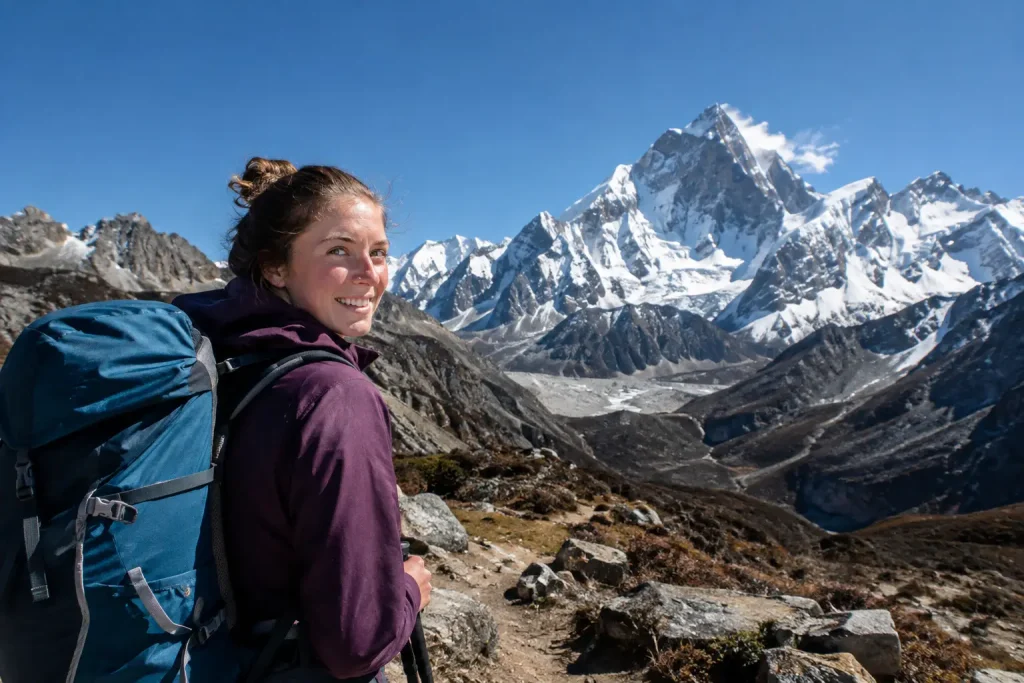
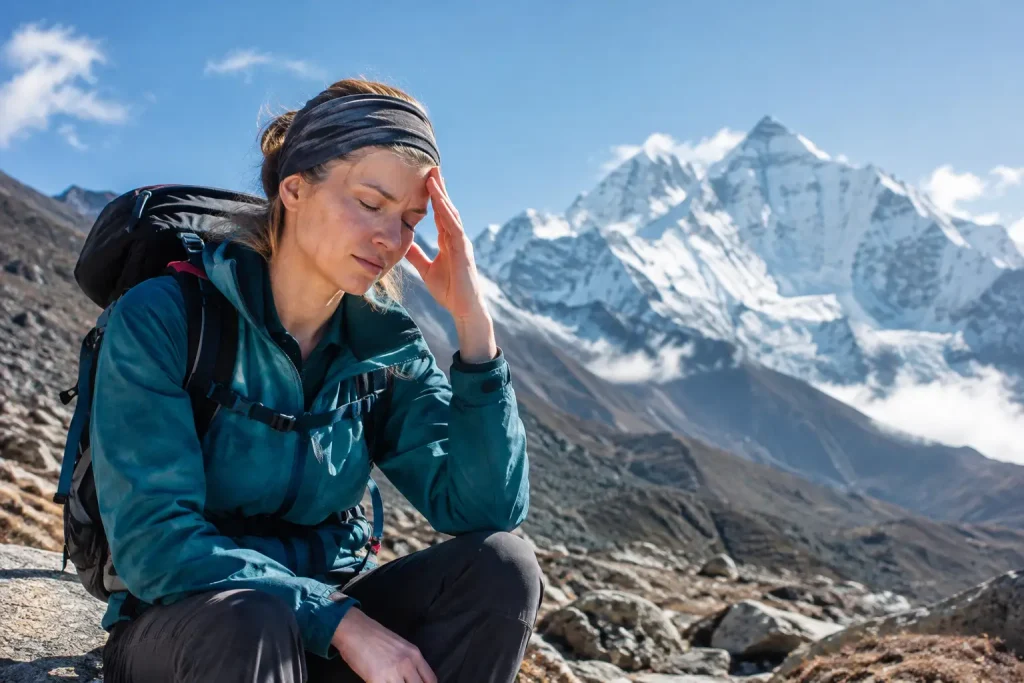
A Nepal trek rarely becomes difficult because of one dramatic climb. More often, the challenge builds across six or eight hours on foot, a long descent on tired knees, a cold morning, and another full walking day ahead. This trek fitness assessment helps you judge whether your current conditioning matches the route you want to hike – before permits, flights, and a tight itinerary make the decision more complicated.
Fitness does not eliminate altitude risk, and a strong runner can still develop acute mountain sickness. But adequate endurance, leg strength, balance, and recovery capacity make it easier to maintain a safe pace and enjoy the trail. The goal is not to prove that you are tough. It is to choose a trek and preparation plan that give you a realistic margin for the Himalaya.
What a Nepal Trek Demands From Your Body
Most popular Nepal treks are not technical climbs, but they are sustained mountain journeys. On routes such as Poon Hill, Mardi Himal, Langtang, Gokyo Lakes, and Pikey Peak, expect uneven stone steps, dusty or muddy paths, steep climbs, and descents that can be harder than the uphill. Daily walking time commonly falls between four and seven hours, while longer or more demanding days can exceed that range.
Elevation makes every effort feel more expensive. Above about 8,000 feet, many travelers notice that hills which felt manageable at home require slower movement and more frequent pauses. Sleeping elevation matters as much as the trail itself. A trek may involve only moderate distances, yet feel demanding because you are repeatedly walking and recovering at high altitude.
Your pack also changes the equation. Trekkers using a porter usually carry a daypack with water, layers, snacks, and personal essentials. Those carrying more of their own equipment need a higher strength and endurance reserve. Weather, trail conditions, and consecutive walking days can add further stress, particularly in early spring, late fall, or during periods of rain.
Start With an Honest Trek Fitness Assessment
Assessing readiness works best when you compare your current abilities with the actual demands of your intended route. Do not use a single gym workout or a recent 5K time as the deciding factor. Trekking is a long-duration, low-to-moderate intensity activity with repeated climbing, descending, and limited recovery between days.
Aerobic endurance
You should be able to walk steadily for at least two to three hours on rolling terrain without feeling depleted afterward. For moderate Nepal treks, a stronger benchmark is a four- to six-hour hike with sustained hills, followed by normal movement the next day. You do not need to move fast. A controlled pace that you can sustain is more useful than a fast start followed by exhaustion.
If you live in a flat area, use a treadmill incline, stadium stairs, a step machine, or a weighted walk. The training method matters less than recreating prolonged uphill effort. Build gradually rather than jumping immediately into long hikes with a heavy pack.
Leg strength for climbs and descents
Climbing requires glutes, quads, calves, and cardiovascular endurance. Descending places substantial eccentric load on the quads and can expose weak knees, poor balance, and inadequate footwear. Many trekkers feel fit on uphill training sessions but struggle on Nepal’s long stone stairways on the way down.
A useful readiness check is whether you can complete controlled sets of step-ups, lunges, squats, or split squats without knee pain or loss of form. You should also be able to walk downhill for an extended period and still feel stable. If downhill hiking causes sharp pain, swelling, buckling, or persistent discomfort, address that issue before committing to a high-mileage itinerary.
Pack tolerance and posture
For a standard tea house trek with porter support, train with the weight you expect to carry, often around 10 to 15 pounds including water. Walk at least 60 to 90 minutes over varied terrain with that load. Pay attention to shoulder pressure, lower-back fatigue, hot spots on your feet, and whether your pace changes significantly.
A pack that is too heavy, poorly adjusted, or unfamiliar can turn a manageable day into an exhausting one. If you plan to carry your full load independently, test the exact weight over consecutive hiking days. This may influence whether a porter is a sensible safety and comfort decision.
Recovery between days
The most overlooked part of a trek fitness assessment is recovery. Completing one difficult hike is not the same as being ready to repeat it tomorrow. Try a back-to-back weekend: hike or train hard on day one, then walk for two to four hours on day two. Notice whether your muscles are simply tired or whether you are limping, unusually drained, or unable to maintain a comfortable pace.
Good recovery does not mean no soreness. It means soreness is manageable, your joints remain functional, and you can resume activity without compensating or risking injury. Sleep, nutrition, hydration, and a gradual training build all affect this capacity.
A Simple Field Test Before You Book
Use a local hill, stair route, or treadmill workout to test your baseline about eight to 12 weeks before departure. After warming up, walk uphill continuously for 45 to 60 minutes at a sustainable effort. Carry the daypack weight you expect to use in Nepal. Then add a controlled descent or downhill walk if the route allows.
At the end, ask practical questions. Could you have continued at the same pace for another hour? Did your knees remain comfortable on the descent? Were you breathless only on steep sections, or unable to recover after easing the pace? How did you feel the following morning?
A single difficult result is not a reason to cancel your plans. It is useful information. It may mean you need more training time, a less demanding route, a slower itinerary, or porter support. It is better to make that adjustment at home than to force yourself through a difficult high-altitude day.
Match Your Result to the Trek
For first-time Himalayan trekkers, Poon Hill and Pikey Peak can be appropriate choices when you have a basic walking foundation and allow time to acclimatize. They still include substantial climbing, so “beginner-friendly” should never be mistaken for effortless. A fit beginner who trains consistently may do very well; an inactive traveler may find them difficult.
The Langtang Trek and Mardi Himal Trek usually require stronger hill endurance because of longer ascents, trail variation, and higher sleeping elevations. Gokyo Lakes demands an even larger reserve. Its duration, altitude, cold conditions, and potentially challenging days near passes or viewpoints make preparation especially valuable.
It depends on the itinerary as well as the route name. An aggressive six-day schedule can be far harder than an eight- or nine-day plan covering similar ground. Extra acclimatization days, conservative daily distances, and flexible weather planning are not signs of weak fitness. They are sensible risk management.
Fitness Is Not Altitude Readiness
No home workout can predict how your body will respond to altitude. Acute mountain sickness can affect young, strong, and experienced hikers, while someone with average fitness may acclimatize well. The safest approach is a gradual ascent profile, adequate hydration and food, a willingness to walk slowly, and immediate attention to symptoms.
Headache with nausea, dizziness, unusual fatigue, loss of coordination, or worsening shortness of breath deserves attention rather than determination. Never try to out-train or out-will altitude illness. Descent is the key response when symptoms are severe or worsening, and a qualified guide can provide valuable on-trail judgment.
If you have heart, lung, joint, or metabolic conditions, or if you have been inactive for a long time, discuss your trek plans with a medical professional before beginning high-intensity training. This is particularly relevant for itineraries that sleep above 10,000 feet.
Turn Gaps Into a Practical Training Plan
Most trekkers do not need elite fitness. They need consistent preparation. Start with three to five weekly sessions that combine walking or hiking, uphill conditioning, and basic lower-body strength. Increase duration, elevation gain, or pack weight gradually, not all at once. Keep at least one easier day after a demanding workout.
In the final month, prioritize longer hikes and consecutive-day practice over trying to set personal records. Break in your boots, test socks and layers, and learn how your feet respond after several hours. A minor blister issue at home is easy to solve; the same issue on a remote trail can affect every step.
The best time to take this assessment is early enough to act on it. Choose the trek that fits your current condition and training window, build a buffer into your itinerary, and arrive ready to move patiently through the mountains. That preparation leaves more attention for the trail, the landscape, and the decisions that matter when altitude and weather begin to shape the day.