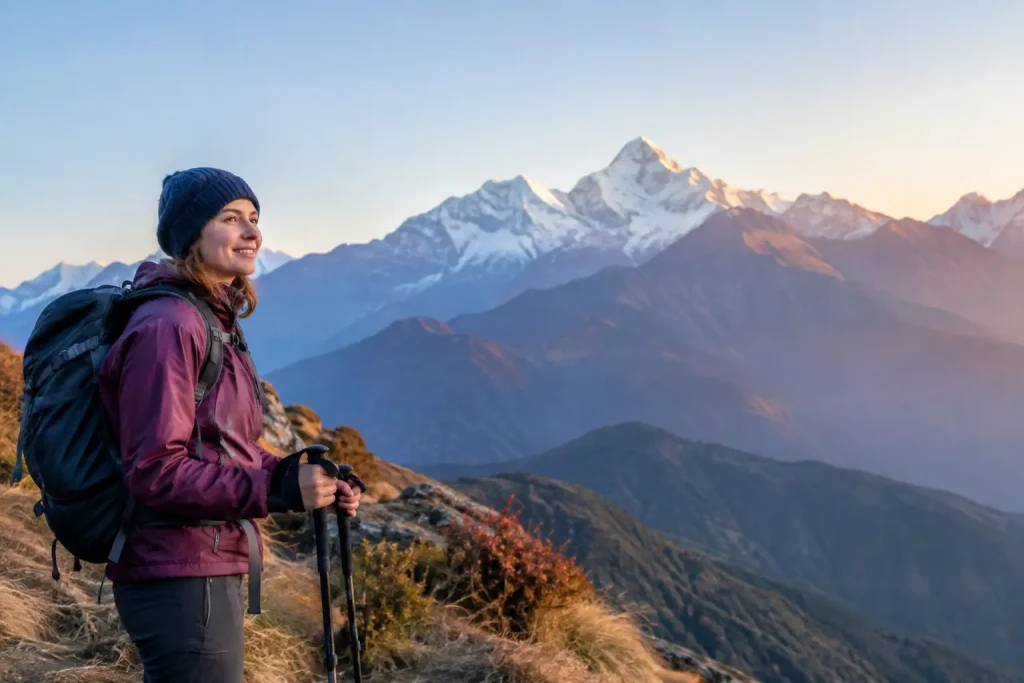
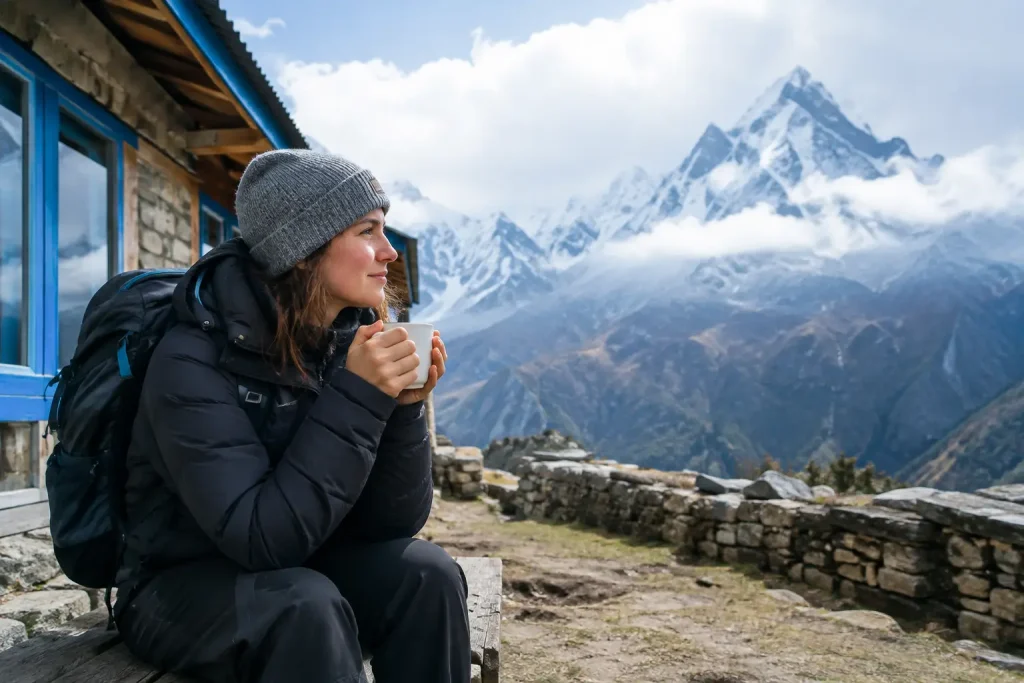
A trek can feel manageable at breakfast and become unexpectedly difficult by afternoon. On Nepal routes such as Gokyo Lakes, Langtang, Mardi Himal, and Pikey Peak, altitude sickness is the health risk that deserves the most respect because it can affect fit, experienced hikers as well as first-time trekkers. The key is not toughness. It is recognizing symptoms early, ascending at a sensible pace, and being willing to change the plan.
What Is Altitude Sickness?
Altitude sickness, also called acute mountain sickness or AMS, occurs when the body struggles to adapt to lower oxygen pressure at higher elevations. The percentage of oxygen in the air remains roughly the same, but each breath delivers less usable oxygen as altitude increases. Your body needs time to adjust through changes in breathing, circulation, and blood chemistry.
Symptoms can begin above 8,000 feet, though many trekkers first notice them after sleeping above about 10,000 feet. In Nepal, that means altitude is a consideration on many popular itineraries, not only expeditions above 20,000 feet. The risk rises with elevation, rate of ascent, prior altitude history, and individual response. Fitness helps you walk uphill, but it does not make you immune.
Most cases are mild and improve with rest, fluids, and stopping further ascent. The danger comes from ignoring worsening symptoms. Severe altitude illness can develop into high-altitude cerebral edema (HACE), involving swelling in the brain, or high-altitude pulmonary edema (HAPE), involving fluid in the lungs. Both are medical emergencies.
Why Altitude Sickness Is Common on Nepal Treks
Nepal treks often gain elevation quickly. A flight to Lukla, for example, places trekkers at approximately 9,300 feet before they have walked a step. The trail then climbs toward villages and passes well above 15,000 feet. Other routes may begin lower but still involve rapid gains over a few days.
The schedule matters as much as the highest point. An itinerary that includes acclimatization days, moderate daily elevation gains, and lower sleeping elevations gives the body more opportunity to adapt. A compressed itinerary may look efficient on paper but leaves little margin when someone develops a headache, nausea, or unusual fatigue.
Cold, dehydration, poor sleep, alcohol, respiratory infections, and overexertion can make a trekker feel worse at altitude. They do not directly cause AMS, but they can complicate symptom recognition and reduce your ability to recover.
Altitude Sickness Symptoms to Watch For
A mild headache is the classic early sign, particularly when it occurs with other symptoms after gaining altitude. Do not diagnose AMS from a headache alone, since dehydration, sun exposure, caffeine withdrawal, and fatigue can also be responsible. Consider the full picture and how symptoms change after rest.
Common mild symptoms include headache, reduced appetite, nausea, dizziness, poor sleep, unusual tiredness, and shortness of breath with exertion. If symptoms are mild, do not ascend until they are stable or improving. A rest day may be appropriate, but descending is safer if symptoms persist or worsen.
Red flags that require immediate descent
The following signs suggest severe altitude illness and should not be managed by simply waiting overnight:
- Confusion, severe headache, fainting, or difficulty walking in a straight line
- Shortness of breath while resting, persistent cough, chest tightness, or blue lips
- Severe weakness, worsening vomiting, or an inability to keep fluids down
- Symptoms that continue to worsen despite stopping at the current altitude
Descend immediately with assistance, keep the person warm, and seek medical help. Supplemental oxygen and a portable altitude chamber can be valuable where available, but neither replaces descent. Never leave an ill trekker alone, especially at night or in poor weather.
How to Prevent Altitude Sickness on a Trek
Prevention begins when you choose the itinerary, not when symptoms appear. Build enough days into the trip to allow for acclimatization, weather delays, and a slower pace. If a schedule only works when every day goes perfectly, it is too tight for high-altitude travel.
Ascend gradually and sleep lower when possible
Above roughly 10,000 feet, a conservative guideline is to increase sleeping elevation by no more than 1,000 to 1,600 feet per night, with an additional acclimatization day every three to four days. Himalayan trails do not always make this exact pattern possible, but the principle remains useful: gradual gains are safer than large jumps.
A common acclimatization strategy is to hike higher during the day and return to sleep lower. On an acclimatization day, a short ascent to a viewpoint or nearby village can help the body adjust, provided symptoms are mild or absent and the trekker returns to the lower lodge for the night.
Set a pace you can sustain
Walk slowly enough that you can speak in short sentences. Fast ascents, especially while carrying a heavy pack, can turn a manageable day into exhaustion. Use short breaks, eat regularly, and avoid trying to match the pace of stronger members of the group.
Hydration is useful, but drinking excessive amounts of water will not prevent AMS and can create other health problems. Drink regularly, use urine color as a rough indicator of hydration, and include normal meals and electrolytes when needed. Alcohol and sleeping pills can worsen breathing and sleep quality at altitude, so avoid them during acclimatization.
Listen to symptoms, not your itinerary
The most reliable rule is simple: never ascend with worsening altitude symptoms. A guide, friend, or booking schedule should not pressure you to continue upward. Turning around or taking an extra day is a sound mountain decision, not a failed trek.
Keeping a brief daily record of sleeping elevation, headache severity, appetite, sleep, and energy level can be helpful, particularly on longer treks. It gives you and your guide a clearer view of whether symptoms are improving or trending in the wrong direction.
Can Medication Prevent Altitude Sickness?
Acetazolamide, commonly known by the brand name Diamox, may help prevent AMS and can speed acclimatization for some travelers. It is often considered for trekkers flying directly to a high starting point, following a faster itinerary, or with a history of altitude illness. It should be discussed with a qualified clinician before travel because dosage, allergies, medical conditions, and possible side effects matter.
Acetazolamide is not permission to ascend too quickly. It can cause tingling in the fingers and toes, increased urination, and taste changes, among other effects. Dexamethasone and other medications may be used in specific medical situations, but they are not substitutes for a conservative itinerary and should only be used under professional guidance.
If you have heart, lung, kidney, or other ongoing health conditions, seek individualized medical advice before planning a high-altitude trek. Travel insurance should also cover trekking at your planned maximum elevation and emergency evacuation.
What to Do if Symptoms Begin on the Trail
Start by stopping at the current elevation. Rest, hydrate normally, eat if possible, keep warm, and monitor symptoms closely. Do not climb higher that day. If the symptoms are mild and clearly improve, you may be able to continue after an appropriate rest period, following the advice of an experienced guide or medical professional.
If symptoms do not improve, descend. Even a descent of 1,000 to 3,000 feet can produce a major improvement. In remote parts of Nepal, early descent is often the fastest and most effective treatment available. Do not wait for a severe headache, loss of coordination, or breathing trouble before making that call.
Guides can provide valuable local knowledge, monitor changes, and organize descent or evacuation logistics. Still, every trekker should understand the basic rule: worsening symptoms at altitude mean no further ascent.
Choose a Route and Itinerary That Match Your Experience
For first-time high-altitude trekkers, a route with gradual elevation gain and flexible acclimatization options is usually a better choice than a short, aggressive itinerary. Poon Hill and many Mardi Himal itineraries can introduce trekkers to Himalayan elevations, though altitude remains possible on both. Langtang, Gokyo Lakes, and Everest-region routes require more deliberate acclimatization planning because sleeping elevations rise higher.
A well-designed guided trek can add useful safety structure through daily health checks, realistic pacing, and logistical support when plans need to change. Whether you trek independently or with a guide, build extra time into the itinerary. The mountain will still be there after an acclimatization day.
The best altitude strategy is not complicated: arrive prepared, climb patiently, and treat early symptoms seriously. That approach protects your health and gives you a far better chance of enjoying the views you traveled so far to see.