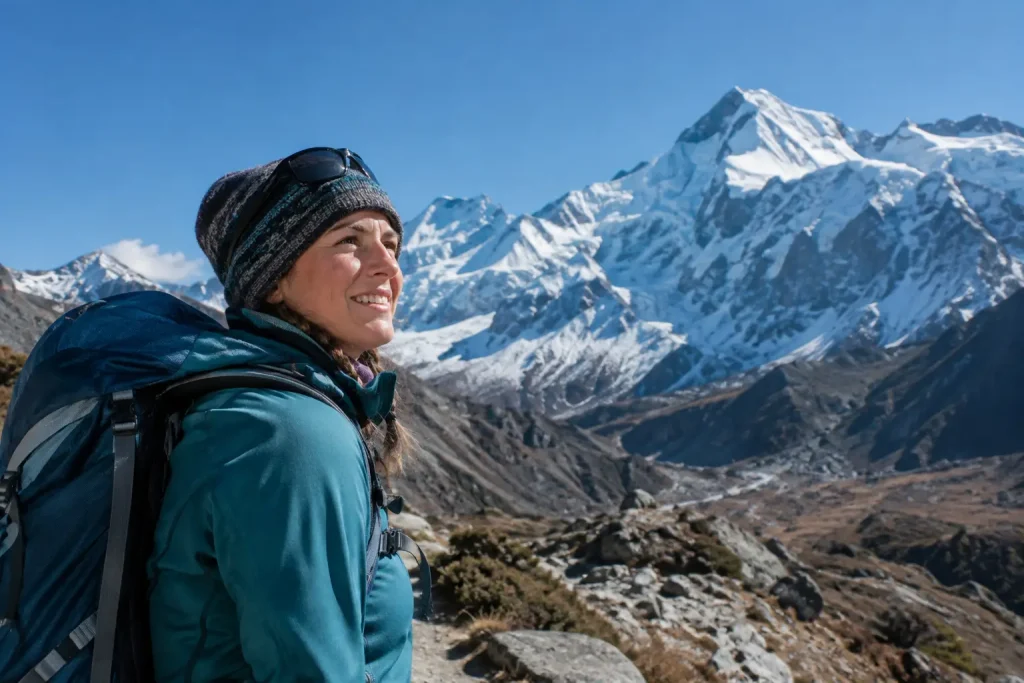
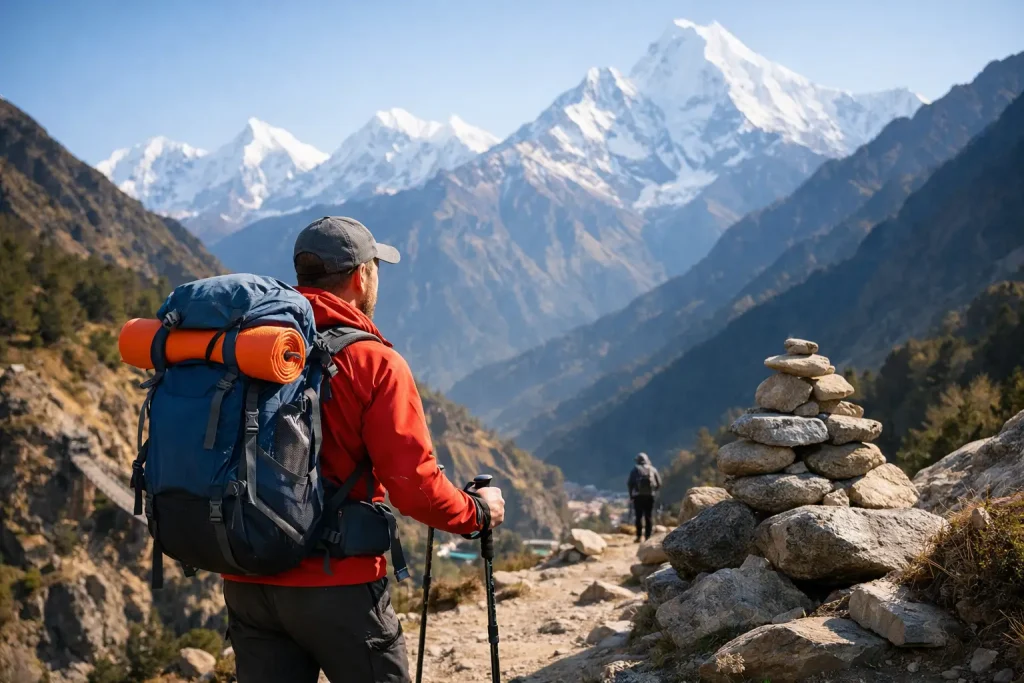
A successful Mardi Himal group trek is usually decided before the group reaches the trail. The route is relatively short, but it climbs quickly from the Pokhara foothills to a high ridge with limited lodging, changeable weather, and a maximum hiking altitude around 14,760 feet (4,500 meters). This Mardi Himal group trek example shows how a small group can build in sensible pacing, clear responsibilities, and a realistic contingency day.
What This Mardi Himal Group Trek Example Assumes
This plan suits a group of four to 10 trekkers who are generally fit, have recent experience walking on uneven terrain, and can hike for five to seven hours on consecutive days. It begins and ends in Pokhara, using the common approach from Kande or Phedi and descending through Siding.
The itinerary includes eight days because it protects the group from a common mistake: treating the trek as a rushed five-day outing. Strong hikers can complete it faster, but an extra day gives your team room for weather delays, slower members, or transport problems around Pokhara. It also avoids asking everyone to make major decisions under time pressure.
Mardi Himal is lower than Everest Base Camp or the Annapurna Circuit, but lower elevation does not remove altitude risk. High Camp sits at roughly 11,650 feet (3,550 meters), and the viewpoint or Mardi Himal Base Camp area is much higher. A group should plan around its slowest safe member, not its fastest walker.
An 8-Day Mardi Himal Group Trek Itinerary
| Day | Route and overnight stop | Planning focus | |—|—|—| | 1 | Arrive in Pokhara | Gear check, permits, briefing, and weather review | | 2 | Drive to Kande, trek to Pothana or Deurali | Short opening walk and trail familiarization | | 3 | Pothana/Deurali to Forest Camp | Steady forest ascent and conservative pacing | | 4 | Forest Camp to Low Camp | Increase fluids and monitor fatigue | | 5 | Low Camp to High Camp | Arrive early before afternoon cloud or rain | | 6 | Hike to Mardi Himal viewpoint, descend to Low Camp | High point day, then sleep lower | | 7 | Low Camp to Siding, drive to Pokhara | Long descent and flexible jeep arrangements | | 8 | Contingency day or onward travel | Use for bad weather, delayed transport, or recovery |
Day 1: Pokhara Preparation and Group Briefing
A proper briefing is more valuable than another hour of sightseeing. Confirm each person’s passport details, insurance coverage for helicopter evacuation, medication, dietary needs, and emergency contact information. The guide should explain the daily departure time, turnaround rules, and how the group will communicate if the trail separates.
This is also the right time to inspect footwear and rain protection. The Mardi Himal trail can be muddy in monsoon conditions and slick after rain in spring or fall. A new pair of boots, an untested pack, or a missing waterproof layer can become a serious comfort problem after the group has left Pokhara.
Days 2 to 4: Establish a Sustainable Pace
The first trekking day from Kande to Pothana or Deurali is intentionally short. It lets the group adjust to the trail and gives the guide a useful read on walking speed, knee comfort, hydration habits, and fitness differences. Starting too hard is a poor trade for saving a few hours.
The following two days pass through forest toward Forest Camp and Low Camp. These are not extreme altitude days, but the trail climbs steadily and can feel humid, especially below the ridge. Groups should use a regular rhythm of short breaks, drink consistently, and eat enough at lunch. A trekker who stops eating or becomes unusually exhausted deserves attention before reaching higher elevations.
Room availability can be limited at Forest Camp and Low Camp during peak spring and fall periods. A guide or trekking operator can help organize overnight stops, but groups should remain flexible. If a preferred lodge is full, an earlier departure or a nearby alternative may be necessary.
Days 5 and 6: High Camp and the Viewpoint
The walk to High Camp is where the landscape opens and the route begins to feel exposed. On clear mornings, the ridge views toward Machhapuchhre, Annapurna South, and Hiunchuli are a major reward. Afternoon conditions are often cloudier, so an early start is practical rather than merely ambitious.
At High Camp, watch for headache, nausea, dizziness, unusual breathlessness at rest, and poor coordination. These symptoms do not automatically mean altitude illness, but they require an immediate, honest assessment. Do not encourage a sick trekker to continue toward the viewpoint simply because the group is close to the objective.
On Day 6, leave before dawn for the viewpoint or Mardi Himal Base Camp area. The exact turnaround point should depend on weather, trail conditions, and how the group feels. In snow, wind, or low visibility, the safer decision may be to stop short. Descending to Low Camp afterward provides a meaningful reduction in sleeping altitude and usually improves recovery.
Permits, Guides, and Transportation
Foreign trekkers on Mardi Himal should arrange the Annapurna Conservation Area entry permit and confirm the current trekker registration and guide requirements before departure. Nepal’s trekking rules and enforcement practices can change, so do not rely on an old forum post or another traveler’s past experience.
For a group, a licensed guide is useful well beyond navigation. The guide can coordinate transport, lodge communication, permits, meals, pacing, and a response if someone becomes ill. A practical porter ratio is often one porter for every two trekkers, depending on pack weights and the group’s expectations. Trekkers should still carry essentials such as water, rain gear, warm layers, medications, snacks, and a headlamp.
Transport needs planning at both ends of the route. Reaching Kande from Pokhara is straightforward, but jeep pickup from Siding can be delayed by road conditions, traffic, or rain. Avoid booking a tight same-day flight from Pokhara after the trek. The Day 8 buffer is particularly valuable when weather affects mountain roads or domestic aviation.
Fitness and Training for a Group Trek
Mardi Himal is appropriate for motivated first-time Himalayan trekkers, but only if they train for repeated uphill walking. The relevant test is not whether someone can complete one long day hike. It is whether they can walk uphill for several days, recover overnight, and descend without severe knee pain or unstable footing.
In the eight to 12 weeks before departure, group members should combine aerobic training with hill walking and strength work. Stair climbing, incline treadmill sessions, and hikes with a loaded daypack are useful. Squats, step-ups, lunges, calf raises, and core training help prepare the legs for sustained ascent and long descent.
A group should not hide fitness concerns to avoid disappointing friends. If one member has not trained, revise the itinerary, add a porter, or choose a lower-intensity Nepal trek. The mountains will still be there, while pressure to keep up can lead to injury or bad altitude decisions.
Seasonal Adjustments That Matter
October through November and March through April generally offer the most reliable balance of trail conditions and mountain visibility. These are also busy months, so groups should expect fuller lodges and book operational support early.
Winter can provide clear skies and quieter trails, but cold temperatures, snow, and icy sections near High Camp may change the plan. Monsoon brings green forests and fewer trekkers, yet cloud cover, leeches at lower elevations, slippery trails, and delayed transport are more likely. In either season, the group should accept that the high viewpoint is optional while a safe return is not.
Set Clear Group Rules Before the Trail
Before leaving Pokhara, agree that nobody hikes alone without telling the guide, every member carries enough water and warm clothing, and the group will turn around if conditions become unsafe. These rules sound basic, but they prevent the most common group problems: fast trekkers pushing ahead, late departures, and people minimizing symptoms.
A Mardi Himal trek works best when the group sees the itinerary as a framework rather than a promise. Build the schedule around safe sleeping elevations, leave room for changing weather, and let the guide make conservative calls when the ridge is not cooperating. Reaching the viewpoint is memorable, but returning to Pokhara healthy, confident, and ready for the next Himalayan trail is the better outcome.