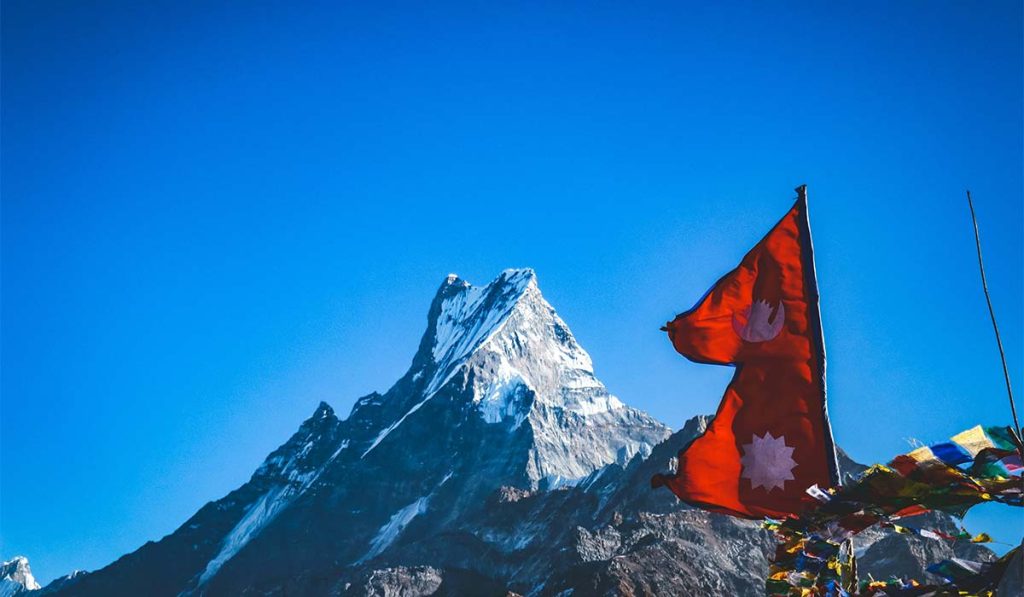
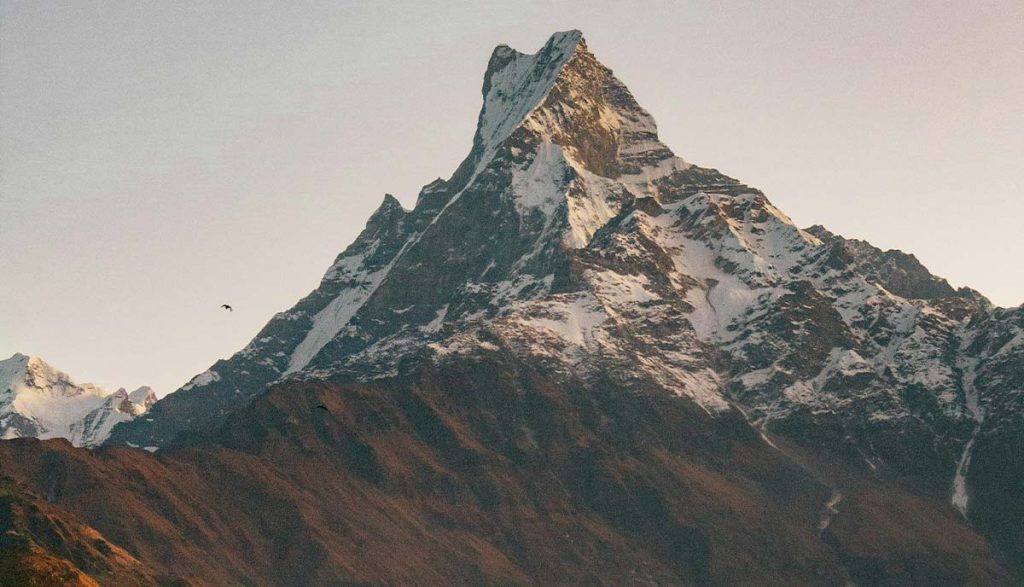
A Mardi Trek budget planning mistake usually shows up too late – when the transport costs are higher than expected, teahouse prices climb with altitude, or small daily expenses quietly stretch your total. The Mardi Himal Trek is often described as a short and affordable trek in the Annapurna region, and that is true compared to longer routes. But affordable does not mean automatic. A realistic budget depends on how you trek, when you go, and how much comfort you want along the way.
For most trekkers, the good news is simple: Mardi Himal is one of the better-value treks in Nepal. It is shorter than Annapurna Circuit, less logistically complicated than Everest, and does not require a long list of special arrangements. If you plan carefully, you can keep costs under control without making the trip feel stripped down.
What affects Mardi Trek budget planning?
The biggest cost factors are trek duration, transport choice, guide and porter services, food habits, and the season you travel. A 5-day trek with shared transport and basic teahouses will cost much less than a 7-day trek with private jeep transfers, a guide, a porter, snacks, charging fees, and a few comfort upgrades in Pokhara.
Season also matters more than many first-time trekkers expect. In peak autumn and spring, rooms can fill quickly on the route, and while teahouse pricing is generally consistent, your overall spending often rises because you are less flexible and more likely to pay for convenience. In quieter months, some prices may be easier to negotiate, but weather and trail conditions can create different challenges.
Your trekking style matters too. Some travelers are comfortable eating simple dal bhat twice a day, carrying their own pack, and limiting extras. Others want a guide for route confidence, hot showers whenever available, frequent tea breaks, and extra drinks or snacks. Neither approach is wrong. The mistake is budgeting for one style while traveling in another.
Typical cost of the Mardi Himal Trek
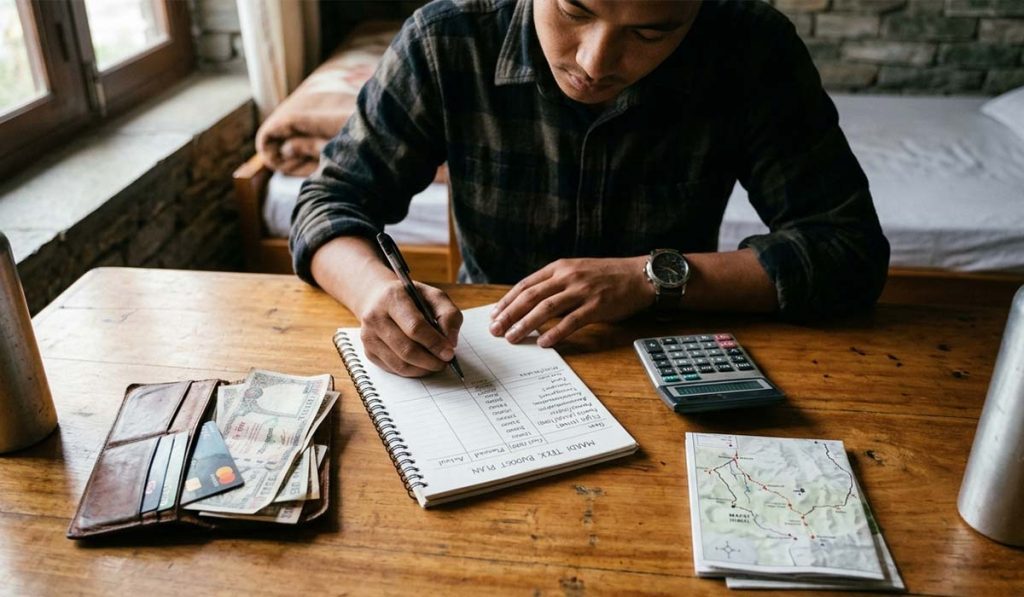
A reasonable independent-style budget for Mardi Himal, excluding international flights and travel insurance, often falls between $250 and $450 per person for the trek itself. If you add a guide, porter, private transport, or extra hotel nights in Pokhara or Kathmandu, the total can move closer to $500 to $800 or more.
That broad range exists because some costs are fixed and some are highly personal. Permits are standard. Transport can vary. Daily spending on meals and drinks changes a lot from one trekker to another. Guided packages can also include different things, so comparing prices without checking what is actually covered can be misleading.
For a short route like Mardi Himal, many trekkers expect a very low total cost. The route is short, yes, but mountain pricing still applies. Once you leave the roadhead and start staying in teahouses, food, drinks, charging, and basic services become more expensive than in the cities.
Permits and official fees
For most trekkers, the main permit costs for Mardi Himal are the Annapurna Conservation Area Permit and the TIMS card requirement based on the current rules and trekking arrangement in place at the time of travel. Permit policies can change, so it is always worth checking the latest update before departure.
These are not the largest part of your budget, but they are non-negotiable. If you are estimating costs too tightly and forget permits, your carefully planned budget starts off short before the trek even begins.
It is also wise to keep a small buffer for administrative changes, transport delays, or overnight adjustments if your itinerary shifts. In Nepal, flexibility is useful, and your budget should reflect that.
Transport costs to the trailhead
Transport is one of the easiest places to overspend without realizing it. Most Mardi Himal itineraries begin from Pokhara and then continue by road toward Kande, Phedi, or another starting point depending on your route. Public transport is the cheapest option, but it takes more patience and less schedule control. Private taxi or jeep transfer costs more, but it saves time and simplifies the start of the trek.
If you are coming from Kathmandu, you also need to factor in the journey to Pokhara. Tourist bus is the budget-friendly choice. Domestic flights save time but add significantly to the total cost, especially in peak trekking seasons.
For trekkers trying to keep the budget tight, the biggest savings usually come from using tourist buses between Kathmandu and Pokhara and local transport where practical. For trekkers with limited time, spending more on faster transport can still be a smart decision. Budget planning is not only about spending less. It is about spending where it improves the trip.
Teahouse accommodation on the Mardi route
Accommodation on the Mardi Himal Trek is usually straightforward teahouse lodging. Rooms are basic, often twin-sharing, with simple beds, blankets, and shared toilets in many places. Lower on the trail, prices are usually cheaper. Higher up, options become fewer and conditions more limited.
In some villages, the room price looks low because the teahouse expects you to eat your meals there. That is standard practice on many Nepal treks. If you try to stay in one place and eat elsewhere, you may find the room rate changes or the arrangement becomes less welcome.
This is one reason why budgeting by room cost alone is inaccurate. On Mardi Himal, food often makes up a larger share of your daily trekking cost than the bed itself.
Food, drinks, and the daily spending trap
Meals become more expensive as you climb higher because everything has to be carried up by porters, mules, or other local transport systems. A plate of dal bhat, fried rice, noodles, soup, porridge, pancakes, eggs, tea, and coffee may all look manageable one by one. Across several days, they add up quickly.
The most budget-friendly approach is usually to eat simple local meals and avoid too many extras. Dal bhat is often the best value because it is filling and commonly comes with refills in many teahouses. Imported snacks, chocolate bars, bottled drinks, beer, and repeated coffee stops can quietly become one of the largest parts of your trekking budget.
Water is another area where costs vary. Buying bottled water every day is expensive and creates more plastic waste. Many trekkers save money by carrying a reusable bottle and using purification tablets, a filter, or safe refill options where available.
Guide and porter costs
Hiring a guide increases the budget, but for many trekkers it improves the trek enough to justify the cost. On a route like Mardi Himal, a guide helps with navigation, pacing, local coordination, weather judgment, and teahouse logistics. This is especially useful in poor visibility, during shoulder season conditions, or for trekkers with limited mountain experience.
A porter is a separate cost, but it can make a major difference if you want to enjoy the route with a lighter daypack. On shorter treks, some travelers assume a porter is unnecessary. That depends on fitness, packing habits, and how comfortable you are walking uphill for several days with your full load.
When comparing guide or porter prices, check whether meals, accommodation, insurance, transport, and daily wages are included. A low quote is not always a better value if key costs are left out. This is where working with an experienced local operator can make planning clearer and more reliable.
Extra costs many trekkers forget
The small charges are what usually break a tight budget. Charging devices, hot showers, Wi-Fi, snacks, soft drinks, bakery items, and extra blankets can all cost more at higher stops. None of these are huge on their own, but together they can push your total well beyond the amount you expected.
It is also smart to budget for one or two unplanned nights in Pokhara. Weather, transport timing, fatigue, or simply wanting a recovery day after the trek can all change your schedule. A good budget is not only a perfect-itinerary budget. It includes room for normal travel changes.
Tipping should also be considered if you hire staff. The amount varies by service level, trip length, and your satisfaction, but it should be part of the plan rather than a last-minute surprise.
How to keep your Mardi Trek budget realistic
The easiest way to manage Mardi Trek budget planning is to separate fixed costs from daily variable costs. Fixed costs include permits, major transport, guide or porter hire, and hotel nights you know you need. Variable costs include meals, drinks, showers, charging, snacks, and any comfort add-ons on the trail.
For most trekkers, a practical daily trekking budget works better than one total number. If you estimate a sensible daily amount for food and extras, then add a contingency buffer, you are much less likely to run short in the mountains.
It also helps to carry some cash margin beyond your expected spend. Card payment options are limited on trekking routes, and digital payment reliability should never be assumed in the mountains.
A sample budget range for different trekking styles
A budget-conscious trekker using buses, basic teahouses, no porter, and simple meals may keep the full trek cost relatively low. A mid-range trekker with a guide, more varied meals, and comfortable transport to the trailhead should expect a moderate increase. A more comfort-focused traveler using private transfers, added hotel nights, porter support, frequent extras, and flexible scheduling will spend much more, even on a short route like Mardi.
That is why there is no single correct number. The right budget is the one that matches your pace, comfort expectations, and safety needs.
Final planning advice before you go
The Mardi Himal Trek does not require an extreme budget, but it does reward honest planning. Keep your estimates realistic, allow for mountain-price basics, and avoid building your budget around the absolute minimum possible spend. A little buffer gives you better food choices, less stress, and more freedom to enjoy the ridge views and forest trail for what they are – one of Nepal’s most rewarding short treks.