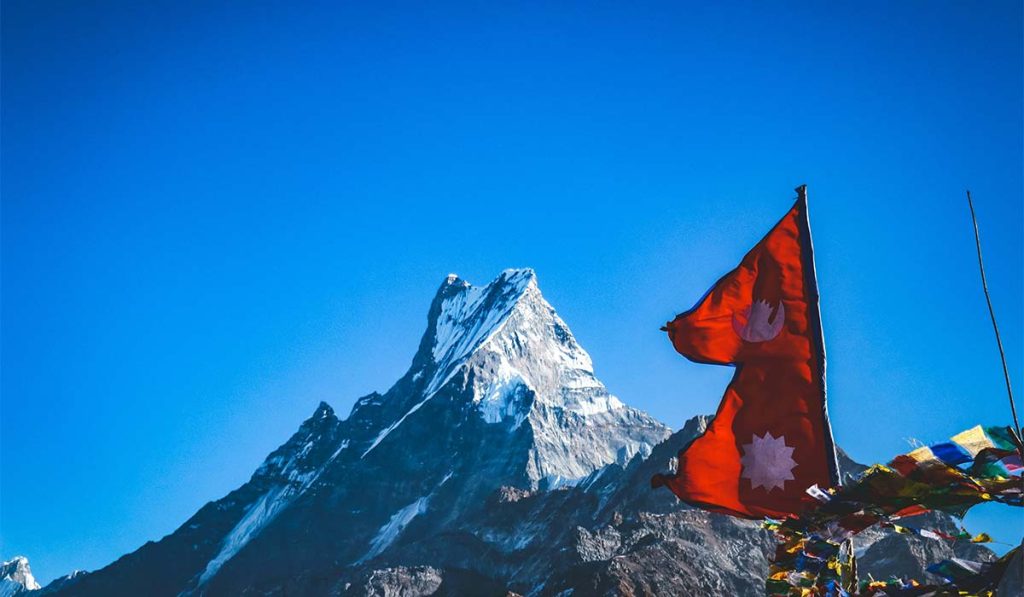
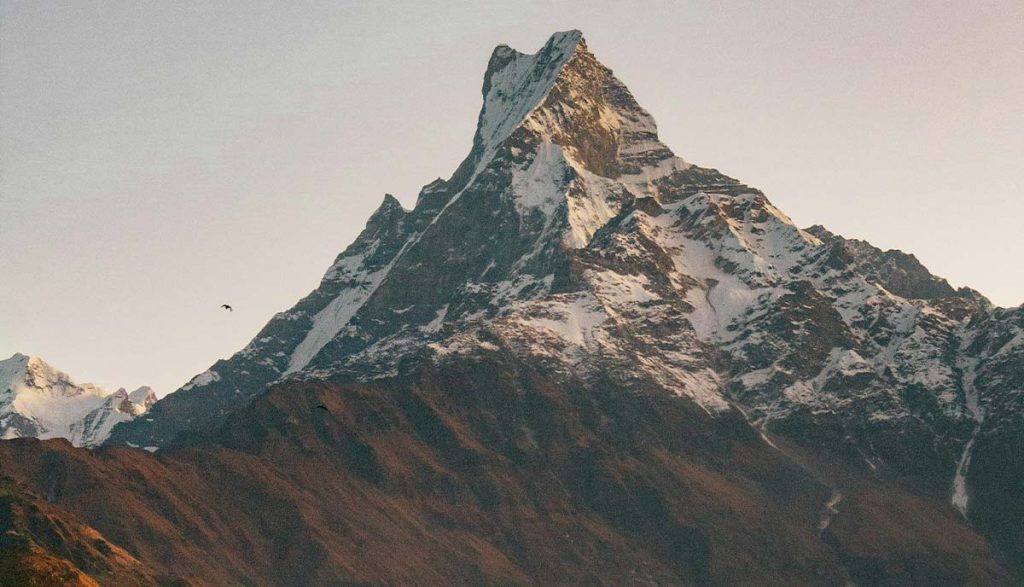
Crowded teahouses, busy viewpoints, and long lines on the trail are part of the Mardi Himal Trek in peak trekking months. That is exactly why many trekkers start looking at off-season trekking of Mardi Himal instead. The route is shorter than many classic Nepal treks, the mountain views are exceptional, and in the quieter months it can feel far more remote and personal. But this is not a trek to approach casually. Off-season conditions can change the trail, the comfort level, and even the safety margin from one day to the next.
Mardi Himal sits in the Annapurna region and is often chosen by trekkers who want a relatively short trek with dramatic scenery. In good conditions, it is a straightforward teahouse trek. In the off-season, it becomes more of a judgment trek. The route is still possible, but success depends less on fitness alone and more on timing, flexibility, and realistic expectations.
What off-season trekking of Mardi Himal really means
For this trek, off-season usually means the monsoon period from roughly June to August and the winter shoulder from late December through February. These months are very different from each other, so it helps to separate them instead of treating all off-season travel the same way.
During the monsoon, the lower forested sections are green and beautiful, but trails can be muddy, slippery, and full of leeches. Clouds often block the mountain views that make Mardi Himal so popular. Flights and long-distance transport can also face delays due to weather. The trail remains open in many cases, but the experience is less predictable.
Winter off-season is usually cleaner in terms of visibility. On clear days, the panorama of Machhapuchhre, Annapurna South, and Hiunchuli can be outstanding. The challenge is cold, especially above Low Camp and High Camp. Snowfall can cover sections of the trail, and conditions near the upper route can become difficult or unsafe depending on recent weather.
So the main question is not whether Mardi Himal can be trekked off-season. It can. The better question is whether your timing matches what you want from the trek.
Why do some trekkers prefer the quiet months?
The strongest reason to go off-season is simple – space. Mardi Himal has grown quickly in popularity, and in spring and autumn the trail can feel busier than many trekkers expect. In quieter months, you get a different atmosphere. Forest walks feel calmer, lodges are less crowded, and viewpoints are not filled with people waiting for sunrise photos.
There is also a practical advantage. Teahouse availability is usually less of a problem, and the pace of the trek can feel more relaxed. If you are the type of trekker who values silence, slower mornings, and more personal interaction with lodge owners, the off-season can be very rewarding.
That said, fewer trekkers on the trail also means fewer services operating at full capacity. Some lodges may be closed or only partially open, menu choices can be limited, and route support is thinner if conditions worsen. Quiet comes with trade-offs.
The real challenges you should expect
The biggest mistake trekkers make is assuming Mardi Himal stays easy year-round because it is a short trek. Trail length does not remove mountain risk.
In the monsoon, the lower sections through the forest can become slick enough to slow even experienced hikers. Stone steps, wet roots, and muddy traverses increase the chance of slips. Leeches are common below the higher camps, especially in damp woodland after rain. They are more unpleasant than dangerous, but they do affect comfort and morale for some trekkers.
The greater issue during the monsoon is visibility. You may complete the trek well and still miss the famous views. Clouds can sit over the ridges for days. If seeing the mountains is your main goal, the monsoon is a gamble.
Winter brings a different set of problems. Temperatures drop sharply at night, water can freeze, and strong winds can make the ridge sections feel much colder than the forecast suggests. Fresh snow may make the route above High Camp difficult to follow. If snowfall is heavy, reaching Mardi Himal Base Camp may not be realistic or advisable.
Another factor is logistics. In peak season, information flows quickly because many trekkers, guides, and lodge operators are moving on the route daily. In the off-season, conditions can change faster than the available updates. That makes local judgment much more important.
Is off-season Mardi Himal suitable for beginners?
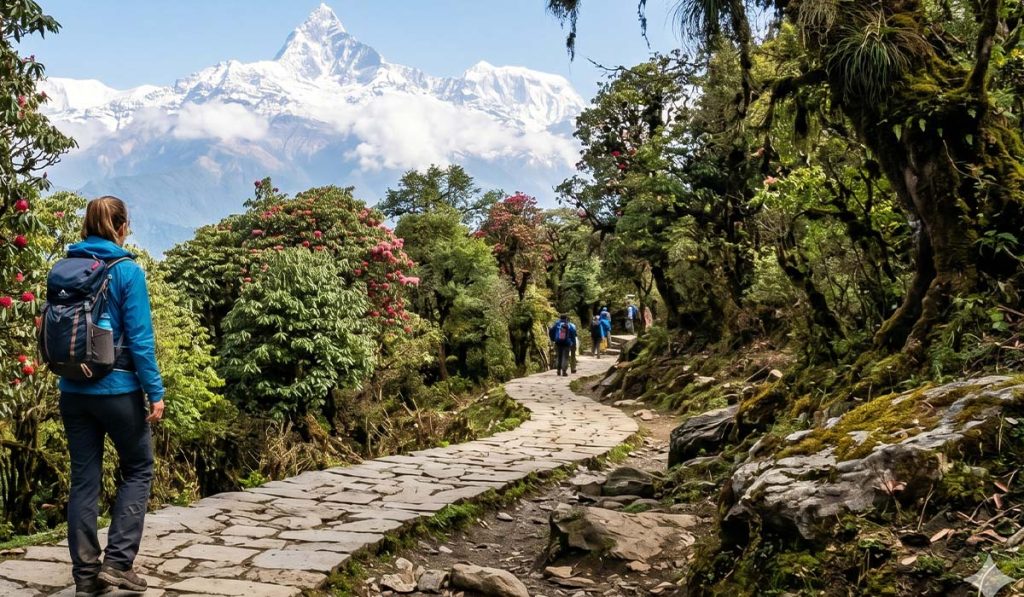
Yes, but only in the right circumstances.
A beginner with decent fitness, flexible timing, and a guide can still enjoy Mardi Himal in the off-season, especially in a stable winter window or at the edge of the monsoon rather than at its wettest point. A beginner who expects perfect views, guaranteed access to base camp, and easy trail conditions every day may find the experience frustrating.
This is where expectations matter. In peak season, Mardi Himal is often marketed as a beginner-friendly short trek. That is broadly true. In the off-season, it is better described as a short trek that may become moderately demanding due to weather and trail conditions.
If this is your first Himalayan trek, local guidance helps a great deal. A guide is not only there for navigation. They also read weather shifts, adjust overnight stops, confirm lodge openings, and decide when pushing higher no longer makes sense.
Best off-season window for Mardi Himal
If you want the benefits of fewer crowds without taking the full risk of the harshest conditions, the best off-season windows are usually early December and late February, depending on the year. These periods can offer a quieter trail while avoiding the wettest monsoon weeks and the deepest winter cold.
Early June and late September are also transitional periods worth considering, but they are less reliable. Weather patterns have become more irregular, and traditional seasonal boundaries are not always exact.
Among true off-season options, winter is often the better choice for trekkers who care most about mountain views. Monsoon suits trekkers who are comfortable with uncertainty and appreciate forests, mist, and a quieter, moodier landscape.
How to plan it safely
Off-season trekking of Mardi Himal requires a more flexible itinerary than most online sample plans suggest. Build in at least one buffer day if possible. If the weather closes in, that extra day gives you room to wait, descend, or shift your overnight stop without rushing.
Pack for conditions above the standard shoulder-season checklist. In winter, this means a warmer sleeping setup, proper insulating layers, gloves, a hat, and traction awareness if snow is possible. In monsoon, focus on waterproofing, quick-dry clothing, pack protection, and leech management. Cheap rain gear fails quickly in sustained mountain rain.
Start walking early each day. Afternoon weather tends to be less stable, especially in the monsoon. Early starts also reduce the chance of arriving late to a lodge that may be operating with limited staff or supplies.
Do not treat altitude lightly just because the trek is short. Mardi Himal Base Camp is high enough to cause problems if you ascend too fast or ignore symptoms. The route climbs steadily, and when the weather adds fatigue, people sometimes overlook early signs of altitude discomfort.
Accommodation and food in the off-season
Teahouses are available on the Mardi Himal route, but off-season service can be more limited. Some lodges close temporarily, while others remain open but operate with reduced supplies. This does not usually mean you will have nowhere to sleep, but it can affect where you stop and what meals are available.
Carry a few backup snacks and do not count on a full menu at every stop. In colder months, simple hot meals and warm drinks matter more than variety. In wet months, drying clothes can be difficult, especially in higher, damper lodges.
It is wise to confirm the condition of upper lodges before committing to the climb beyond Low Camp. This is one reason many trekkers appreciate having support from an experienced local operator such as Himalaya Wanderer, especially when conditions are uncertain.
Should you hire a guide?
For peak season, independent trekkers often manage Mardi Himal comfortably. For the off-season, a guide becomes much more valuable.
A good guide reduces uncertainty. They know which lodges are open, whether the upper trail is passable, when the weather is creating unnecessary risk, and how to adjust the plan without wasting days. This matters most in winter snow or monsoon cloud, when the difference between a good trek and a poor decision can be one ridge, one late start, or one optimistic assumption.
If you are highly experienced in mountain travel, winter conditions, and remote trail navigation, you may decide otherwise. But for most international trekkers, guided support is the practical choice rather than a luxury.
Who should go, and who should wait for peak season?
Off-season Mardi Himal suits trekkers who value solitude, can accept weather-related compromise, and understand that the mountain sets the terms. It is a strong choice for returning trekkers to Nepal, photographers willing to wait for clear windows, and hikers who prefer quieter trails over guaranteed comfort.
Peak season is the better choice if this is your first trip to Nepal, if mountain views are non-negotiable, or if your travel dates are fixed so tightly that one weather delay would disrupt the whole plan. There is no shame in choosing easier timing. The best trek is the one that matches your goals and your margin for uncertainty.
If you decide to trek Mardi Himal in the off-season, go with a flexible plan, the right gear, and a realistic mindset. When the weather opens and the ridge clears, the experience feels even more special because you had to earn it.