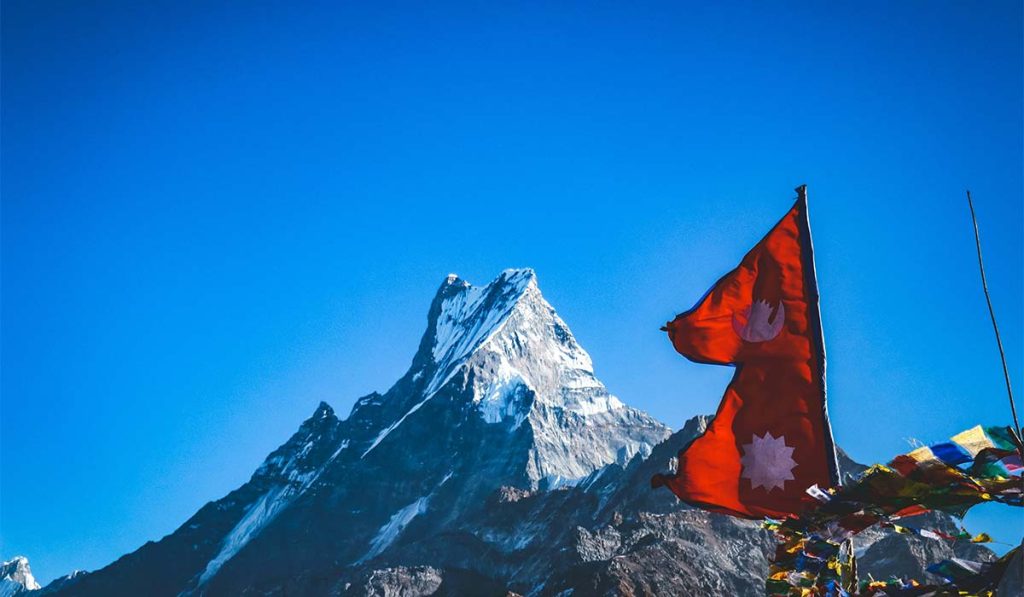
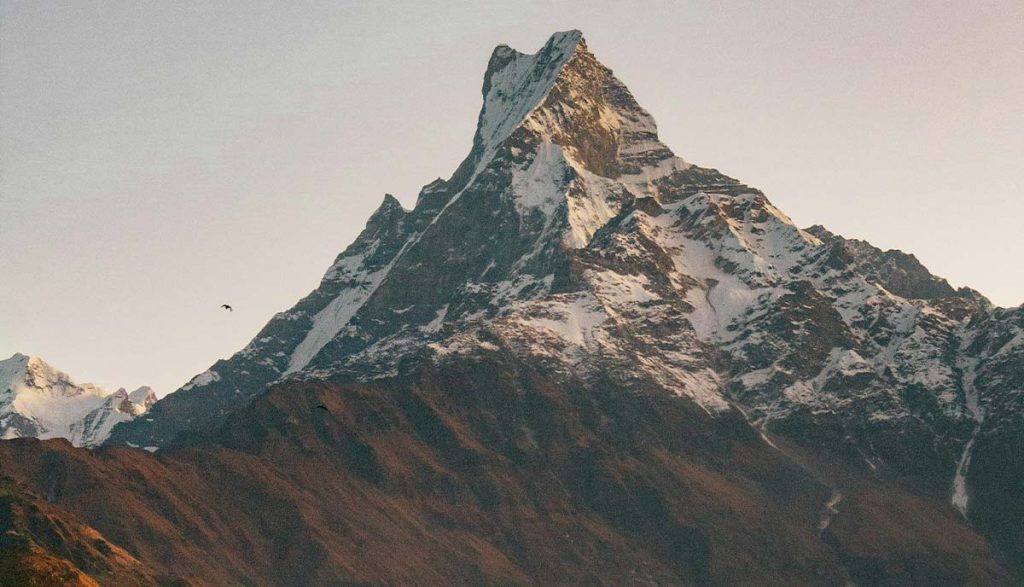
The Mardi Himal route is often described as a shorter and easier trek in the Annapurna region, but that can give people false confidence. Altitude sickness on Mardi Trek is a real concern, especially once you move above Forest Camp and gain height quickly toward High Camp and Mardi Himal Base Camp. You do not need to be climbing extremely high for altitude to affect you. You only need to ascend faster than your body can adapt.
This trek is attractive because it is accessible, scenic, and possible in relatively few days. That same convenience is why some trekkers underestimate it. If your itinerary is too rushed, if you start the trek already tired, dehydrated, or unwell, or if you ignore early symptoms, a beautiful ridge walk can turn into a difficult and risky experience.
Why does altitude sickness on Mardi Trek happen
Mardi Himal Trek does not reach the extreme heights of Everest Base Camp or some high passes in Nepal, but it still climbs high enough to cause Acute Mountain Sickness, commonly called AMS. High Camp sits around 3,580 meters, and Mardi Himal Base Camp is roughly 4,500 meters depending on the exact viewpoint reached. For many trekkers, especially first-timers in Nepal, this is more than enough altitude for symptoms to appear.
The main issue is not only the final elevation. It is the speed of ascent. Many itineraries go from Pokhara to low elevation trailheads, then move up through Forest Camp, Low Camp, Badal Danda, and High Camp in a short number of days. Sleeping altitude can increase fast, and some trekkers push all the way to base camp and back without giving much thought to acclimatization.
Fitness helps with the walking, but it does not make you immune to altitude. I have seen strong hikers struggle while slower, less athletic trekkers do fine because they paced properly, drank enough water, and paid attention to their bodies. Age, experience, and confidence do not guarantee protection either.
Where the risk increases on the route
The lower part of the Mardi route is usually comfortable. Villages and forest sections below roughly 2,500 to 3,000 meters rarely cause serious altitude issues for most people. The more noticeable risk often begins after Low Camp and Badal Danda, where the trail rises into more exposed and higher terrain.
High Camp is the most common place where trekkers first notice headaches, poor sleep, loss of appetite, unusual tiredness, or mild nausea. That makes sense because it is often the first sleeping point at a height where your body starts reacting clearly to lower oxygen levels.
The next risk point is the day trip toward Mardi Himal Base Camp. Even if you slept reasonably well at High Camp, the sharp gain in elevation can trigger symptoms during the climb. Trekkers sometimes mistake this for normal effort because the trail is steep, narrow in places, and physically demanding. But if the headache worsens, if you feel dizzy, if you are walking unsteadily, or if nausea becomes strong, that is not something to push through.
Weather can add to the problem. Cold air, wind exposure, poor sleep, and dehydration can make AMS feel worse or make it harder to recognize. In peak seasons, some trekkers also sleep poorly because of crowded lodges, which reduces recovery before the highest day.
Symptoms you should never ignore
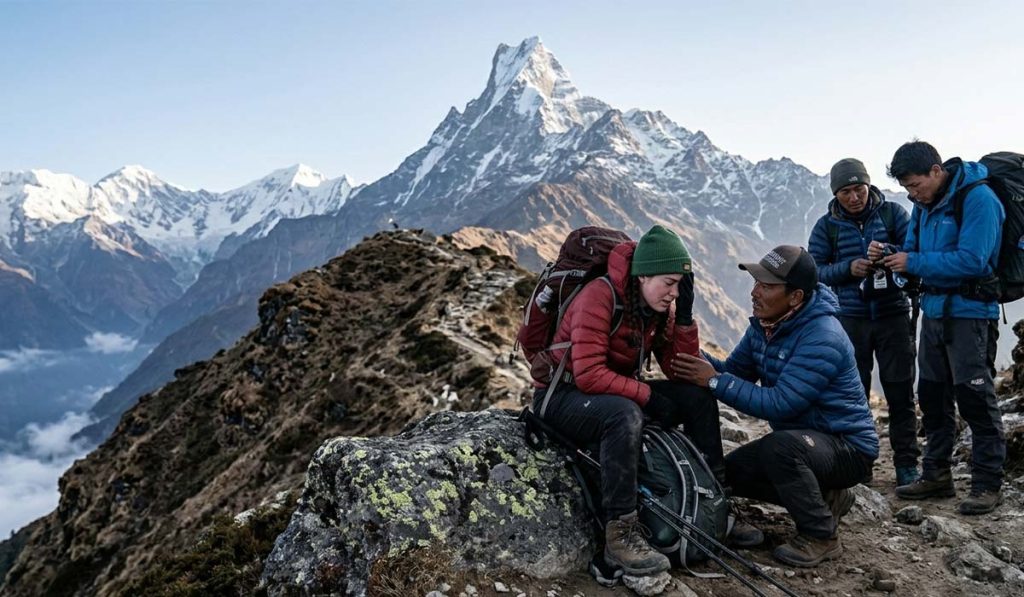
The early signs of AMS are often subtle. A mild headache is the classic first symptom, but not every headache means altitude sickness. What matters is the pattern. If the headache appears after gaining altitude and is joined by one or more other symptoms, you should take it seriously.
Common symptoms on Mardi Trek include headache, nausea, reduced appetite, unusual fatigue, dizziness, poor sleep, and a general feeling that your body is not coping well. Some trekkers describe it as feeling heavy, flat, or strangely weak compared to normal tiredness.
A useful rule is simple: if you can eat, talk normally, walk steadily, and the symptoms are mild and not worsening, you may be dealing with early AMS that needs rest and close monitoring. If symptoms become stronger with continued ascent, you should stop going up.
More serious signs need immediate action. These include confusion, difficulty walking in a straight line, breathlessness at rest, chest tightness, blue lips, severe lethargy, or a wet-sounding cough. These can point to more dangerous altitude illness such as HACE or HAPE. On the Mardi route, the correct response is descent, not waiting to see if it improves.
How to reduce your risk before and during the trek
The best prevention is a sensible itinerary. A rushed Mardi trek is possible, but possible does not always mean wise. If your schedule allows, adding an extra night before High Camp gives your body more time to adapt. Even one slower day can make a real difference.
Hydration matters, but this is often misunderstood. You do not need to force excessive amounts of water. You need to stay consistently hydrated throughout the day. Dry mountain air, effort, sun exposure, and tea or coffee can leave you more dehydrated than you realize. Urine that stays very dark is one practical sign you may be behind.
Pacing is equally important. Many trekkers start too fast because the route looks shorter than other Annapurna treks. Walk at a pace where you can still breathe steadily and speak in short sentences. If you arrive at every stop exhausted, you are probably pushing harder than necessary.
Sleep, food, and alcohol all influence how well you adapt. Eat enough, even if your appetite drops a little at altitude. Avoid drinking alcohol as you move higher because it affects sleep, hydration, and your ability to judge symptoms. If you already have a headache or nausea, alcohol is the last thing your body needs.
Some trekkers ask about Diamox. It can help reduce the risk of AMS for certain people, especially those with limited time or a history of altitude problems. But it is not a substitute for acclimatization, and it should be taken with proper medical advice before the trek. It can also cause side effects such as tingling in the fingers, more frequent urination, and taste changes in carbonated drinks.
What to do if you feel symptoms at High Camp or above
The first step is honesty. Trekkers often hide symptoms because they do not want to disappoint friends, lose a sunrise plan, or turn back before base camp. That mindset causes problems in the Himalayas. The mountain will still be there, but your condition can change quickly.
If symptoms are mild, stay at the same elevation, rest, drink fluids, eat something light, and monitor yourself closely. Do not continue higher just because the distance looks short. On Mardi Trek, that often means not leaving High Camp for base camp until you are clearly stable.
If symptoms get worse, descend. Even a few hundred meters can bring noticeable relief. On this route, going down from High Camp to Badal Danda or lower is often enough to improve mild to moderate AMS. Descent is the most effective treatment available on the trail.
If a trekker has severe symptoms, descent should be immediate and supported. Do not leave the person alone. Keep them warm, reduce pack weight, and arrange assistance if needed. In serious cases, evacuation may be necessary depending on severity, weather, and the trekker’s ability to walk safely.
Is Mardi Trek safe for beginners?
Yes, for many beginners it is a very good Himalayan trek, but only when approached with respect. The route is shorter and more manageable than many famous treks in Nepal, yet it still reaches serious altitude. A beginner who follows a realistic itinerary, listens to their guide, and responds early to symptoms can complete it safely. A beginner who treats it like a casual hill walk can run into avoidable trouble.
This is why good planning matters more than bravado. Build in enough days, choose the right season, and do not treat base camp as mandatory. Sometimes the right decision is to enjoy the ridge views from a lower point and descend safely.
A few practical mistakes that cause trouble
Most altitude problems on Mardi Trek come from a handful of avoidable choices. The most common are trekking too fast, sleeping too high too quickly, ignoring headaches, not eating properly, drinking alcohol, and assuming youth or fitness will protect you.
Another mistake is confusing motivation with safety. Many trekkers are emotionally attached to reaching the highest point. That is understandable. But the objective is not just to touch base camp. The objective is to complete the trek well and return healthy.
If you want the best chance of a safe trip, think of altitude management as part of the trek, not as a problem only unlucky people face. That mindset changes your decisions in the right way. On Mardi, the views come quickly, the trail climbs faster than many expect, and the smartest trekkers are usually the ones who stay flexible when their bodies ask for a slower pace.