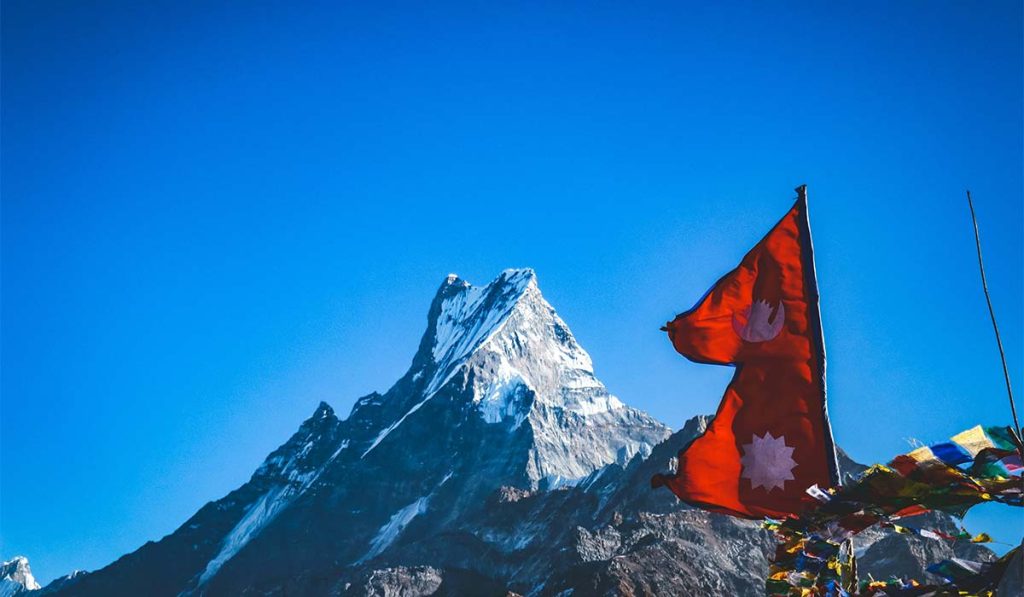
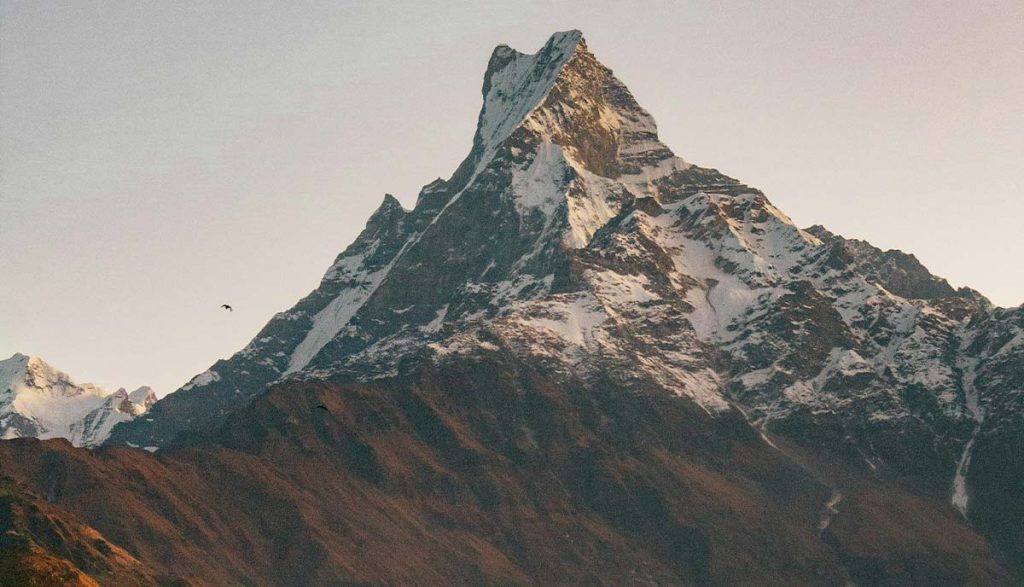
Pack too much for Mardi Himal and the trail feels harder than it should. Pack too little, and the cold morning walk to High Camp can become miserable very quickly. A good Mardi Himal Trek Packing list is not about bringing everything. It is about carrying the right layers, the right basics, and nothing that adds unnecessary weight.
Mardi Himal is a shorter trek in the Annapurna region, but that often tricks people into underestimating it. The route climbs through warm forest, damp sections, exposed ridges, and cold high camps. Weather can shift fast, especially in spring and autumn, and teahouse comfort becomes more basic as you go higher. Your packing needs to reflect those changes.
What makes Mardi Himal packing different
This is not a camping expedition, so you do not need to carry tents, cooking gear, or heavy food supplies. Most trekkers stay in teahouses and eat on the route. That keeps your load much lighter than on remote treks like Manaslu or Kanchenjunga.
At the same time, Mardi Himal is not a casual day hike. Early starts, colder nights, limited heating, and the possibility of wind near High Camp mean you still need proper mountain layers. The best approach is to pack like a lightweight teahouse trekker, not like a city traveler and not like a full expedition climber.
Mardi Himal Trek Packing list for clothing
Your clothing system should focus on layering. Instead of one heavy outfit, bring pieces you can add or remove as the temperature changes.
Start with two quick-dry trekking shirts and one or two thermal base layers. Add one warm mid-layer such as a fleece or light insulated jacket. A down jacket is strongly recommended, especially from late autumn to early spring. For outer protection, pack a waterproof jacket that can handle rain, wind, and occasional snow.
For the lower body, two pairs of trekking pants are usually enough. One thermal bottom can make a big difference at night or during cold morning walks. Good underwear, hiking socks, and a warm hat matter more than many trekkers expect. Gloves are essential if you are trekking in colder months or heading to Mardi Himal Base Camp before sunrise.
Cotton is the wrong choice for most of the trail. It dries slowly and feels uncomfortable once wet. Synthetic or wool layers work much better.
Footwear that works on this trail
Your boots do not need to be heavy mountaineering boots, but they should have decent grip and ankle support. A broken-in pair of trekking boots or sturdy trail shoes is usually enough in stable weather. If you are trekking during winter or just after snowfall, waterproof boots are the safer option.
Bring camp shoes or sandals for teahouse evenings. This small extra item gives your feet a break after long walking days. Also carry three to four pairs of good hiking socks. Wet socks are one of the simplest ways to make an otherwise beautiful trek uncomfortable.
Gear you should not skip
A comfortable backpack, usually around 30 to 40 liters if you have porter support or 50 liters if carrying your own gear, is enough for Mardi Himal Trek. A rain cover is important because the weather can change without much warning.
You will also want a sleeping bag rated for cold nights, even if teahouses provide blankets. Blankets are not always enough at higher stops. A headlamp is useful for early starts and nighttime bathroom visits. Sunglasses, sunscreen, lip balm, and a reusable water bottle or hydration bladder should be considered basic items, not extras.
Trekking poles are optional for some routes, but very helpful on Mardi Himal. The trail has many stone steps and steep sections, especially on descent. Poles reduce strain on the knees and help with balance.
Toiletries, health, and small essentials
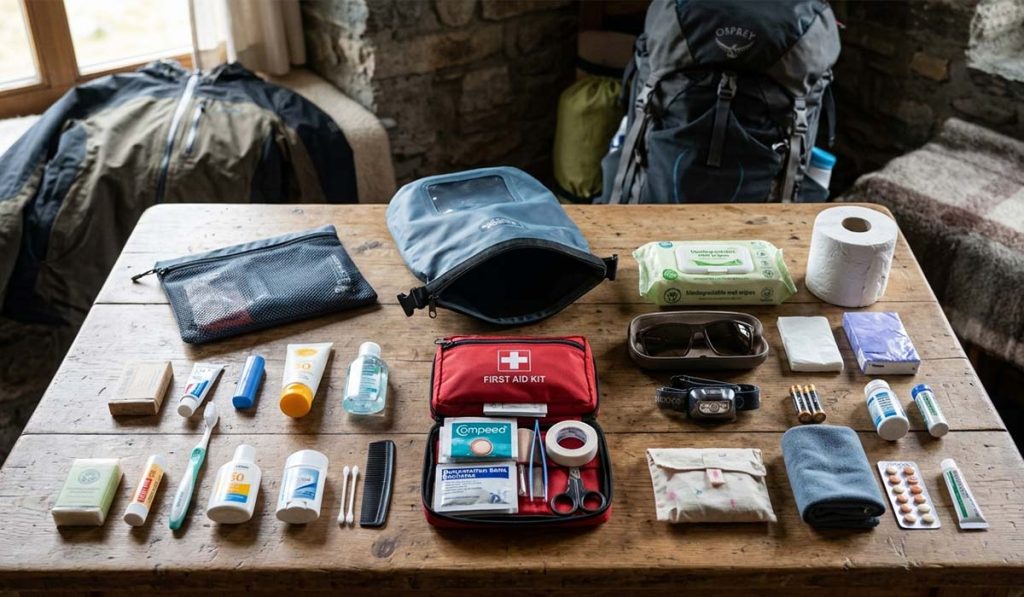
Keep toiletries simple. Bring a toothbrush, toothpaste, small towel, soap, hand sanitizer, toilet paper, and wet wipes. Teahouses become more basic as you gain altitude, so do not assume every stop will have what you need.
Your personal first-aid kit should include blister care, pain relief, any prescription medicine, and a few altitude-related basics discussed with your doctor before travel. Even though Mardi Himal is shorter than many classic treks, altitude can still affect people differently.
A power bank is worth packing because charging points may be limited or paid. A few snacks such as nuts, energy bars, or electrolyte packets also help on long days when meal timing does not match your pace.
What you can leave behind
Many trekkers overpack for Nepal. On Mardi Himal, that usually means too many clothes, bulky toiletries, extra shoes, and electronics that never get used. You do not need a separate outfit for every day. Teahouse trekking is about function, not variety.
Heavy books, large cameras with multiple lenses, hair dryers, and thick city jackets usually become dead weight. If you are using a porter, remember that lighter bags are not just easier for you. They are fairer for the person carrying them.
Seasonal changes matter
Your packing list should always match the month of your trek. In spring and autumn, standard layering works well. During monsoon, waterproof protection becomes much more important, and leech socks can be useful in lower forested sections. In winter, a warmer sleeping bag, insulated gloves, and stronger cold-weather layers are necessary.
That is why there is no single perfect packing list for every trekker. Your season, pace, cold tolerance, and whether you hire a porter all change what makes sense.
If you keep your bag light, practical, and built around mountain weather rather than travel habits at home, Mardi Himal becomes much more enjoyable from the first forest climb to the final ridge views.