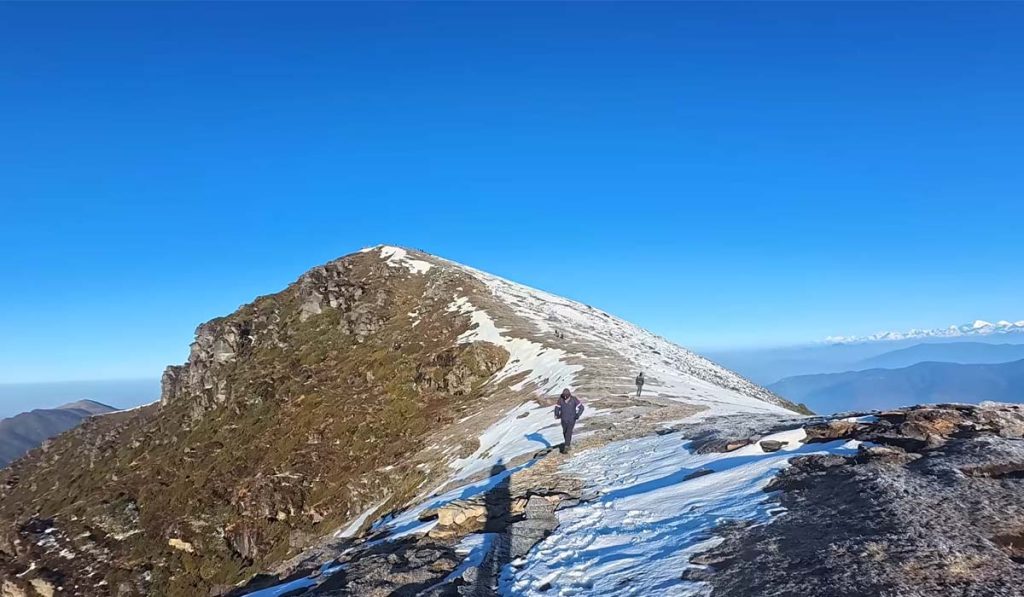
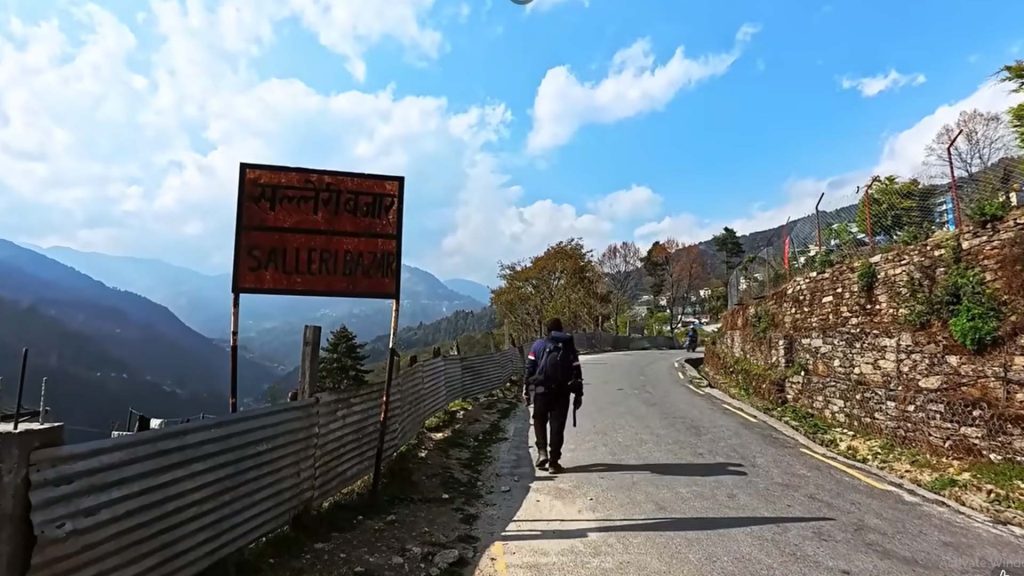
Many trekkers choose Pikey Peak because it is lower than Everest Base Camp or Gokyo, then assume altitude will not be a serious issue. That is the mistake. The Risk of Altitude Sickness on Pikey Peak is real, especially for trekkers coming straight from Kathmandu, walking too fast, or sleeping higher without enough adjustment time.
Pikey Peak trek is often described as a beginner-friendly Everest region viewpoint trek, and in many ways, that is true. The trails are shorter, the logistics are simpler, and the highest point is well below Nepal’s major high-altitude trekking passes. But altitude sickness does not only affect trekkers above 5,000 meters. It can begin much lower, and on a trek like Pikey Peak, the rapid gain in sleeping elevation can be enough to trigger symptoms in people who felt perfectly fine the day before.
That is why smart planning matters here. You do not need to fear the trek, but you do need to respect the mountain.
How high is Pikey Peak and why does altitude matter?
Pikey Peak sits at about 4,065 meters, and depending on your route, you may sleep in villages around 3,000 to 3,600 meters before reaching the summit viewpoint. For many trekkers, that range is exactly where Acute Mountain Sickness, usually called AMS, starts to become more common.
The main issue is not just the summit altitude. It is how quickly you get there. On some itineraries, trekkers drive from Kathmandu to Dhap or a nearby trailhead and then gain height over just a couple of trekking days. That is efficient, but efficiency and acclimatization are not always the same thing.
A person who flies into Nepal from sea level, spends little time adjusting in Kathmandu, and then pushes up to higher lodges quickly may feel the effects sooner than expected. Headache, poor sleep, nausea, low appetite, unusual fatigue, and dizziness can all begin before the final ascent day.
Is the risk of altitude sickness on Pikey Peak high?
Compared with treks that go above 5,000 meters, the risk is lower. Compared with low-elevation hikes, the risk is significant. The honest answer is that Pikey Peak sits in a middle zone where many trekkers do well, but some still develop AMS.
This is especially true for first-time trekkers in Nepal. Many assume a shorter trek means a safer altitude profile. In reality, a short trek with fast elevation gain can be harder for acclimatization than a longer route with built-in adjustment days.
The risk also changes from person to person. Age, fitness, and trekking experience do not guarantee protection. Very fit hikers sometimes get into trouble because they walk faster, climb aggressively, and ignore early symptoms. Meanwhile, slower trekkers with average fitness may do better because they pace themselves and hydrate properly.
Who is most likely to get altitude sickness on this trek?
Trekkers arriving from low elevations and starting the trek without rest are more exposed. So are people trying to complete Pikey Peak in the shortest possible itinerary? If your plan involves long drives, poor sleep, little food, and immediate altitude gain, your body has fewer chances to adapt.
You may also face a higher risk if you have had AMS before, especially on previous Himalayan treks. A past history does not mean you cannot do Pikey Peak, but it does mean you should be more careful than someone who has already handled 3,500 to 4,000 meters well.
Another common problem is alcohol at the lodge. Because Pikey Peak is considered moderate, some trekkers relax too much in the evening. Alcohol, dehydration, and poor sleep are not a good combination at altitude. The same goes for overexertion. Racing uphill to catch sunrise views may look harmless, but hard effort at altitude can make symptoms worse.
Symptoms you should not ignore
A mild headache at altitude is not unusual. What matters is whether it gets worse, whether it improves with rest and hydration, and whether it comes with other symptoms.
The most common early signs of AMS on Pikey Peak are headache, loss of appetite, nausea, unusual tiredness, restless sleep, and light dizziness. Some trekkers describe it as feeling heavy, flat, or strangely weak for the amount of effort they are making.
If symptoms stay mild and do not worsen, extra rest, slower walking, fluids, and not going higher than that day may be enough. But if the headache becomes severe, vomiting starts, coordination gets poor, or breathing feels difficult even while resting, that is no longer a wait-and-see situation.
Serious altitude illness, such as HAPE and HACE, is less common on Pikey Peak than on much higher treks, but not impossible. Confusion, inability to walk properly, chest tightness, persistent cough, and severe shortness of breath are danger signs. Descent becomes the priority.
Why Pikey Peak can catch trekkers off guard
Part of the problem is expectation. Pikey Peak has a reputation as a scenic and relatively accessible trek. That reputation is deserved, but it can create false confidence.
Trekkers often prepare for route conditions, weather, and transport delays, yet overlook altitude because the trek is shorter and less technical. In the field, that attitude leads to packed itineraries, late arrivals at lodges, and early summit pushes after poor sleep.
Cold conditions can also hide dehydration. At higher elevations, many people drink less because they do not feel as thirsty. Add tea, coffee, or alcohol, and mild dehydration can build up quickly. That alone does not cause AMS, but it can make symptoms worse and make recovery slower.
How to reduce the risk of altitude sickness on Pikey Peak

The best prevention is a sensible itinerary. If possible, avoid rushing from Kathmandu to the highest sleeping points without enough time in between. A plan that gives your body one more gradual day is often much safer than the shortest version of the trek.
Walk at a steady pace, especially on the first two days. On Himalayan trails, strong trekkers often waste energy early and pay for it later. Slow, rhythmic movement works better than bursts of speed. You should be able to hold a conversation while walking most of the time.
Hydration matters, but there is no need to force excessive amounts of water. Drink regularly throughout the day, keep urine light-colored, and eat enough. Loss of appetite is common at altitude, but skipping meals entirely reduces energy and recovery.
Sleep is another overlooked factor. If you arrive at a lodge exhausted, chilled, and underfed, your night will usually be poor. And after a poor night at 3,000 meters or above, the next day’s climb feels harder. Warm layers, early meals, and proper rest make a bigger difference than many trekkers expect.
Some trekkers ask about Diamox. It can help with acclimatization and may be useful for people with a history of AMS or for itineraries with limited flexibility. But it is not a substitute for good pacing, and it is not a permit to ignore symptoms. If you are considering medication, speak with a qualified medical professional before the trek.
What a safer itinerary usually looks like
A safer Pikey Peak plan usually spreads the ascent a little more carefully, rather than trying to reach the key high stops too fast. That may mean an extra overnight at a moderate elevation before moving higher, or choosing a route variation that avoids an abrupt jump in sleeping altitude.
This does not mean every trek needs to be long. Many trekkers complete Pikey Peak comfortably in a standard itinerary. The point is that your route should match your background. If you have just arrived in Nepal, have no altitude experience, or know you are sensitive to elevation, a compact plan is not always the best value.
It is better to arrive at the viewpoint feeling strong than to reach it with a pounding headache and no appetite for the rest of the trek.
If you get symptoms, what should you do?
First, do not keep ascending with symptoms that are getting worse. That is the basic rule. Mild symptoms may settle with rest, fluids, food, and time, but worsening symptoms require action.
Tell your guide, porter, or trekking partner early. Many altitude problems become serious because trekkers stay quiet, hoping they will feel better in an hour. A guide with local experience can often spot the difference between simple fatigue and the start of AMS before a trekker admits it.
If symptoms do not improve, stay at the same elevation or descend. Descent is the most reliable treatment. Even going down a few hundred meters can help considerably. On a trek like Pikey Peak, where the route is generally less remote than some high Himalayan circuits, early decisions usually prevent bigger problems.
Can beginners do Pikey Peak safely?
Yes, many beginners can do it safely if they treat altitude seriously. Pikey Peak is often a good choice for trekkers who want Himalayan views without going extremely high, but it should still be approached as a real mountain trek.
The strongest beginner is not always the safest beginner. The safest one is usually the person who listens to their body, follows a realistic itinerary, and does not try to prove anything on the trail. If you plan conservatively, dress for cold mornings, eat well, and give yourself time to adjust, the trek is very manageable for many first-time Himalayan visitors.
For anyone unsure about their altitude tolerance, local guidance adds real value. An experienced trekking team can help manage pace, monitor symptoms, and adjust plans if needed. That kind of judgment on the ground is often what turns a stressful trek into a rewarding one.
Pikey Peak rewards patience. The sunrise views toward Everest, Makalu, and the long Himalayan line are far better when you reach them clear-headed, well-acclimatized, and able to enjoy where you are.