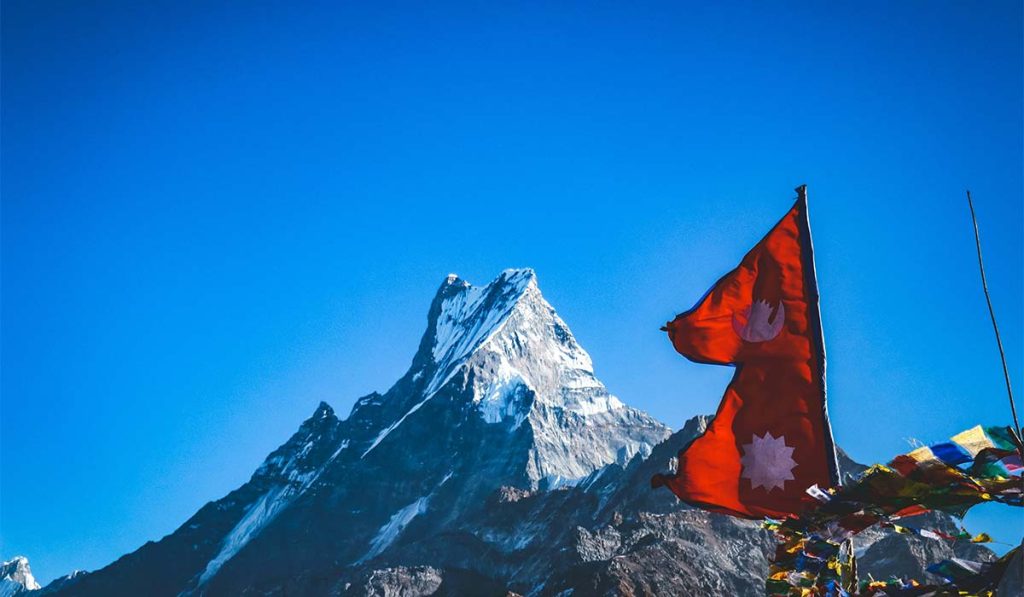
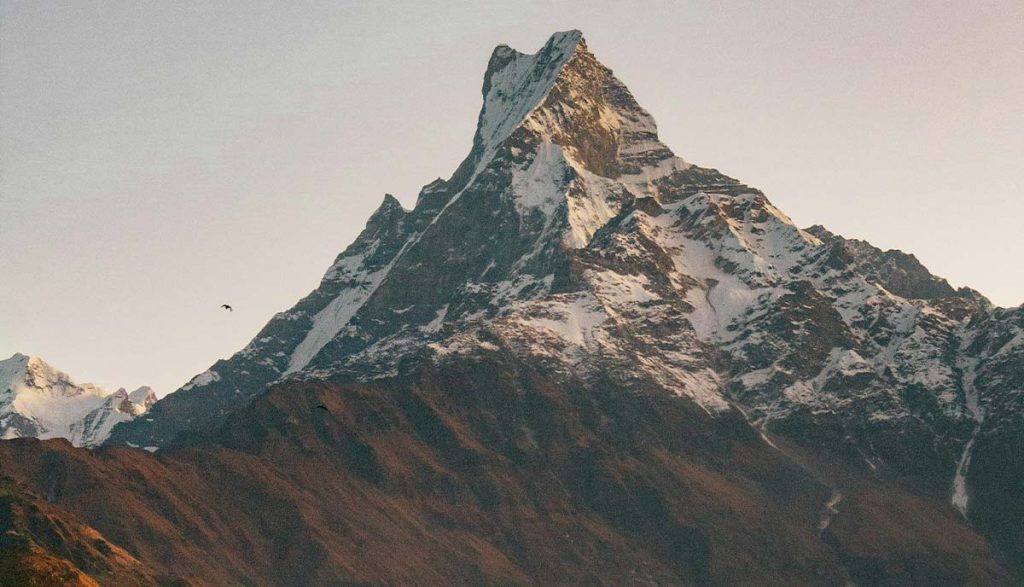
The Mardi Himal route is often described as a short and moderate trek, but that description can give people false confidence. Safety Tips for Mardi Himal Trek matter because this trail climbs quickly, weather changes fast above tree line, and the final section toward Mardi Himal Base Camp is more exposed than many trekkers expect.
This is one of the most rewarding short treks in the Annapurna region, with beautiful forest, ridge walking, and close mountain views. It is also a trek where small mistakes can become serious problems if you are underprepared, rushing, or treating it like an easy village walk. A safe Mardi Himal trek starts with honest planning, not just optimism.
Why Mardi Himal needs proper safety planning
Mardi Himal is shorter than Everest Base Camp or Annapurna Circuit, but shorter does not always mean easier. The route usually starts from lower elevations and gains height within a few days. That matters because your body gets less time to adjust, especially if your itinerary is tight.
The other factor is terrain. Up to Forest Camp and Low Camp, the trail is generally sheltered. Once you move higher, especially from High Camp onward, the route becomes more open to wind, cold, fog, and sudden weather shifts. In good conditions, it feels straightforward. In poor visibility, the same ridge sections can become confusing and tiring.
If you are trekking in peak season, the trail is social and easier to follow. If you go in winter, monsoon, or shoulder months, you need to think more carefully about snow, slippery paths, and limited support along the way.
Safety tips for Mardi Himal Trek before you start
Your safety begins before you reach the trailhead. Physical preparation is one part of it, but smart logistics are just as important. Mardi Himal does not require technical climbing, yet you still need enough fitness to walk uphill for several hours on consecutive days. If you are new to trekking, train with long walks, stair climbing, and some loaded day hikes. Strong legs help, but steady pacing helps even more.
Build a realistic itinerary. Many trekkers try to finish too quickly because Mardi Himal looks short on paper. That can lead to exhaustion and altitude issues. If your body is working hard from day one, recovery becomes harder at higher elevations. Adding one extra overnight stop is often a better decision than trying to force long walking days.
Travel insurance is another point many people ignore on shorter treks. Make sure your policy covers high-altitude trekking in Nepal and emergency evacuation. It is one of those things you hope never to use, but if weather, altitude sickness, or injury creates a serious problem, proper coverage makes a major difference.
Altitude is the main risk to respect
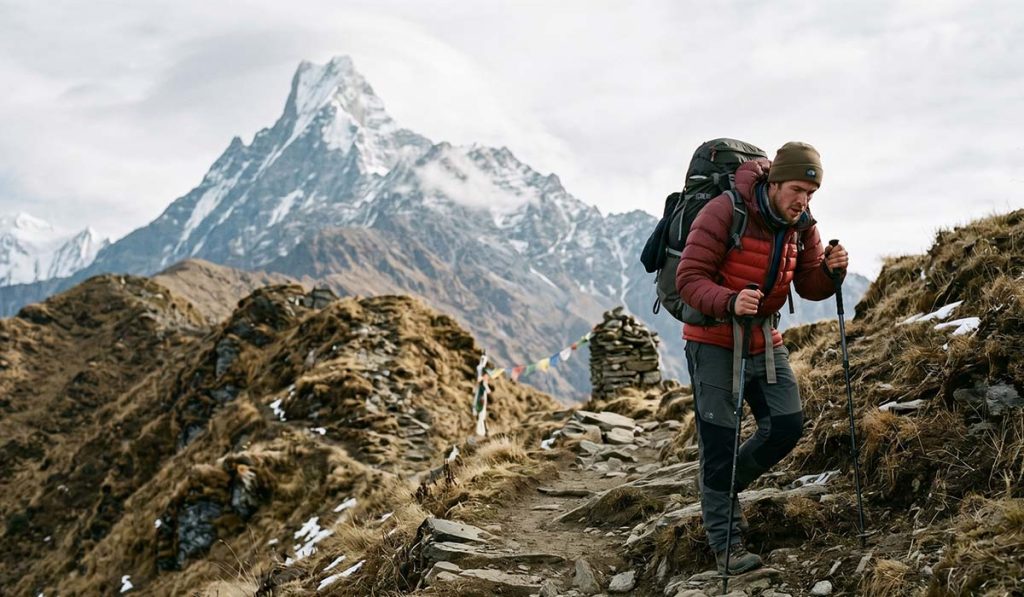
For many trekkers, the biggest safety issue on Mardi Himal is altitude gain. Even though the maximum elevation is lower than some major treks, acute mountain sickness can still affect fit and experienced people. There is no guaranteed age, fitness level, or nationality that makes someone immune.
Common early symptoms include headache, nausea, poor appetite, dizziness, unusual tiredness, and trouble sleeping. A mild headache after a long climb is not rare, but if symptoms build instead of improving with rest, pay attention. The most dangerous mistake is continuing upward because you do not want to change the plan.
A safer approach is simple: ascend gradually, drink enough fluids, eat properly, and listen to your body. If symptoms become moderate or severe, descend. That rule solves most altitude problems early. Waiting too long usually makes things harder.
If you have never trekked above 3,000 meters, be extra careful once you reach High Camp. This is where people sometimes notice the altitude more strongly, especially after walking fast or arriving dehydrated. If you feel unwell, tell your guide or trekking partners early. Silence is not strength in the mountains.
Weather can change the trail quickly
One reason Mardi Himal feels easy in online photos is that most pictures show clear mornings in stable conditions. The mountain does not look the same when clouds close in, fresh snow falls, or the ridge turns icy.
Spring and autumn are usually the best seasons for stable trekking, but even then, afternoon weather can shift quickly. Start early each day. This gives you better visibility, a more comfortable walking temperature, and extra time if conditions slow you down.
In winter, snow above High Camp can make route finding more difficult. After snowfall, the path to the viewpoint or base camp may be partially covered, and corniced or slippery sections can become a real hazard. During monsoon, leeches lower down are the minor problem. The bigger issue is wet, muddy trails and reduced visibility.
Always check the latest local weather before leaving the previous stop. Teahouse owners, guides, and local staff often know more about immediate trail conditions than general forecast apps.
Trail safety from Forest Camp to Base Camp
Most of the route is not technically difficult, but there are a few sections where trekkers should slow down and stay focused. The forest path can be slippery after rain, especially on roots, stone steps, and muddy descents. Trekking poles help a lot here.
From Low Camp upward, the ridge sections become more exposed. In fog, some trekkers leave the main line of the trail without realizing it. Do not assume every side path leads the right way. If visibility is poor, stay close to your guide or trekking partner and confirm the route before pushing ahead.
The section from High Camp toward Mardi Himal Base Camp deserves extra caution. Leave early, carry enough warm layers, and expect a colder wind than you felt lower down. If the trail is icy or snow covered, your pace will be slower. That is normal. Do not rush to reach base camp for sunrise photos if the footing is uncertain.
Turning back is sometimes the safest and smartest choice. If clouds are thick, if snow is fresh, or if someone in your group is struggling, there is no shame in stopping at the viewpoint or returning from partway up the trail.
Go with the right gear, not the lightest possible bag
Minimal packing is popular, but underpacking for Mardi Himal is a common error. At lower elevations you may walk in a light layer, while higher up you may need insulation, gloves, and a hat on the same day.
Your most important safety items are simple: well-broken-in hiking boots, warm layers, a waterproof outer shell, gloves, sunglasses, sunscreen, a headlamp, water bottles or a hydration system, basic personal medicine, and a small first-aid kit. A power bank is also useful because cold weather drains batteries quickly.
If you are trekking in late autumn or winter, add more warmth than you think you need. Evenings and mornings at High Camp can feel very cold, especially if wind picks up. A poor sleep due to cold can also make the next day harder and increase fatigue.
Microspikes are not required in normal dry-season conditions, but after snow or ice they can be extremely helpful. This is one of those gear decisions that depends on recent conditions, not just the calendar month.
Food, water, and pacing are part of safety
A surprising number of trekkers create avoidable problems by eating too little and walking too fast. At altitude, appetite often drops, but your body still needs energy. Warm meals, soups, tea, and regular snacks help you maintain strength.
Water matters just as much. Dehydration can make altitude symptoms feel worse and reduce your performance. Drink regularly through the day, not only when you feel thirsty. Treat or purify water if needed, and do not rely on finding safe refill points everywhere without asking.
Keep your pace steady. The best mountain pace is the one you can maintain while still breathing comfortably. If you push hard on the first two days, you may reach higher camps tired, dehydrated, and more vulnerable to altitude and cold.
Solo trek or guide?
Mardi Himal is one of the treks where many people consider going independently. In stable weather and peak season, confident trekkers with some mountain experience may find the route manageable. But a guide adds real safety value, not just convenience.
A good local guide monitors pace, checks symptoms, reads weather patterns, helps with route decisions, and responds faster if something goes wrong. That is especially useful in shoulder season, winter conditions, or if this is your first trek in Nepal. For many travelers, the extra margin of safety is worth it.
If you do trek without a guide where regulations and current local practice allow, avoid walking alone in poor visibility, share your itinerary with someone, and stay flexible with your plans.
What to do in an emergency
Most issues on Mardi Himal are manageable if handled early. Blisters, fatigue, mild altitude symptoms, and weather delays are common. Serious situations usually happen when people ignore warning signs.
If someone has worsening altitude symptoms, chest tightness, confusion, severe weakness, or difficulty walking normally, descend immediately and seek help. If there is an injury from a slip or fall, stabilize the person, keep them warm, and arrange assistance as quickly as possible.
Mobile network is available in some areas but not reliable everywhere. Do not build your entire safety plan around having a good signal. Tell your guide, lodge owner, or nearest trekking staff about the situation and use local support systems fast.
The best safety mindset on Mardi Himal is simple: respect the mountain, keep your plans flexible, and make decisions early. The trek is beautiful because it feels wild and close to the high Himalayas. Enjoy that feeling, but do not underestimate it.