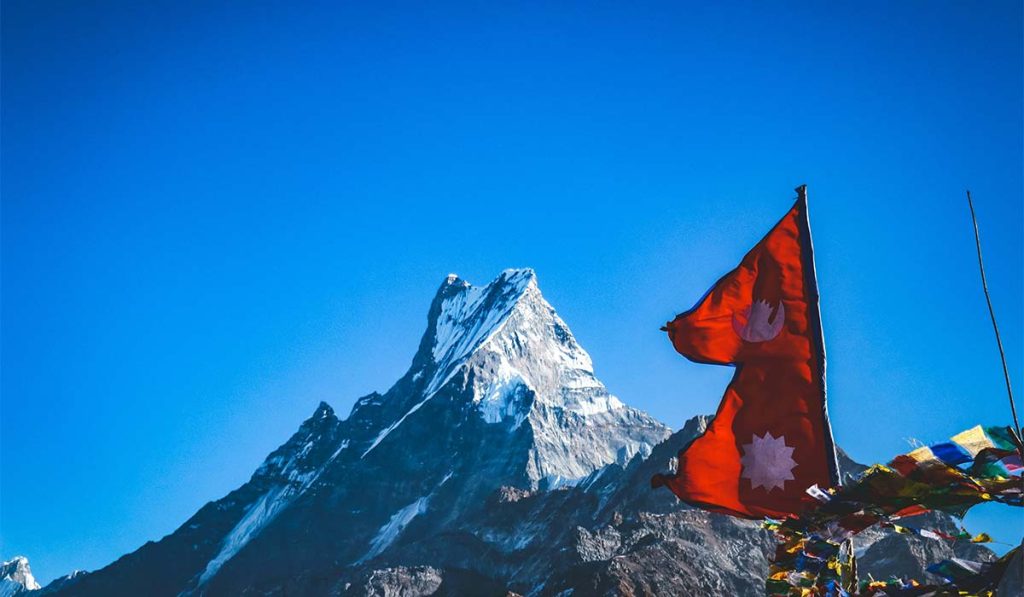
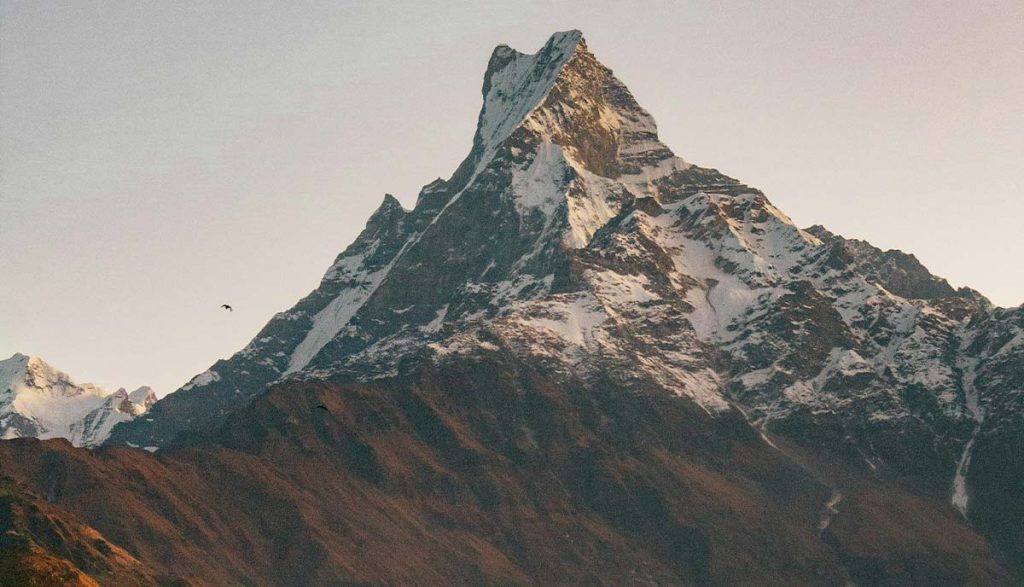
Most trekkers come to Mardi Himal for the big reward – that dramatic close-up view of Machhapuchhre and the high amphitheater of peaks above High Camp. What many miss is that the Hidden gems on the Mardi Himal Trek route are often found well before the final viewpoint. They are in the forest sections, the quieter village edges, the old grazing grounds, and the side moments that make this short Annapurna trek feel richer than its distance suggests.
Mardi Himal is often described as a shorter and less crowded alternative to Annapurna Base Camp. That is true, but it can also make people rush it. They focus on getting to Low Camp, then High Camp, then the viewpoint, without paying much attention to what sits between those milestones. If you slow the pace slightly, this route reveals much more character.
Why the Mardi Himal route has more hidden gems than people expect
One reason this trek surprises people is the terrain changes quickly. In a relatively short number of days, you pass through terraced farmland, dense rhododendron forest, mossy ridgelines, open pasture, and high alpine ground. That compression creates many small highlights that do not always appear in standard itineraries.
Another reason is that Mardi Himal developed later than some of Nepal’s better-known treks. The route infrastructure is simpler, and many trekkers still compare it only by the main viewpoint. Because of that, subtle places like rest clearings, lower ridge outlooks, and traditional settlements remain overlooked.
If you are the kind of trekker who enjoys local atmosphere as much as summit-style views, Mardi Himal gives you both. You just need to notice where to pause.
Hidden gems on the Mardi Himal Trek route worth noticing
The forest trail between Kande, Australian Camp, and Pitam Deurali
Many itineraries begin with a drive to Kande and then a steady walk through villages and forest toward Pitam Deurali. Some people treat this as only an approach day, but it has its own charm. The mixed trail gives you your first sense of how the trek transitions from cultivated hills into mountain country.
Australian Camp gets attention for sunrise and broad Himalayan views, but the quieter value is the contrast it offers. You can look one way toward big peaks and the other toward rolling mid-hills and rural settlements. For trekkers arriving from Pokhara, this is often the first place where the trip starts to feel genuinely Himalayan rather than just scenic.
Pitam Deurali is another place people pass through quickly. In clear weather, the area has a calm, open quality that feels different from the busier lower route. If you spend a little time outside the lodge in the late afternoon, the changing light on the ridges can be better than what many expect from a so-called transfer section.
The rhododendron and moss forest before Forest Camp
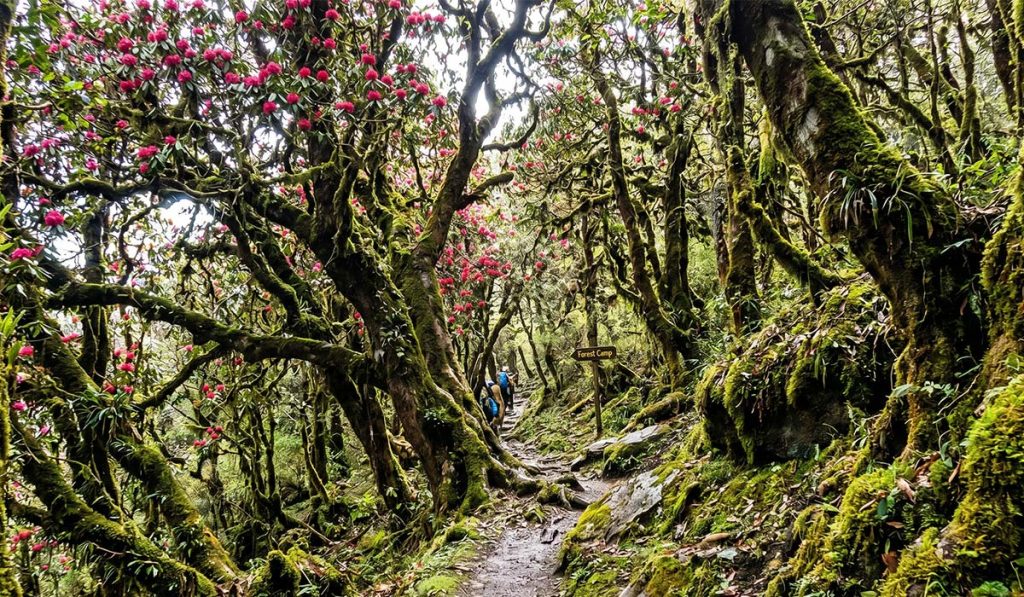
The walk into Forest Camp is one of the quiet treasures of this trek. It is not dramatic in the obvious sense. There are no giant suspension bridges or glacier views here. What you get instead is a deep, enclosed forest atmosphere that feels almost hidden from the rest of the Annapurna region.
In spring, the rhododendrons add color, but even outside bloom season this section has real appeal. The trees are thick, the air is cooler, and the trail often feels soft underfoot. Moss-covered branches and filtered light give the route a slightly wild, older feeling. For trekkers who enjoy the journey as much as the destination, this is one of the most memorable parts of Mardi Himal.
Forest Camp itself is modest, but that is part of the appeal. It feels more like a mountain halt than a busy trekking hub. On quieter days, the silence here is striking, especially if you have come from busier routes in the Annapurna area.
Rest Camp and the feeling of space opening up
Between Forest Camp and Low Camp, many trekkers stop at Rest Camp without thinking much about it. In practice, this middle stretch is where the route begins to change character. The dense forest starts to thin, the ridgeline becomes more defined, and glimpses of Machhapuchhre begin to appear more often.
Rest Camp is not a major destination, but it is one of those places where the trek starts rewarding your effort. If clouds are moving through the trees, the setting can feel especially atmospheric. On a good weather day, this is where many trekkers first realize that Mardi Himal is not only a forest trek but also a viewpoint trek. It is a ridge trek with layers.
Low Camp at dawn
Low Camp is usually treated as a necessary overnight stop, but early morning here is underrated. Before people start moving uphill, the area can be very still. When the sky is clear, Machhapuchhre rises sharply above the tree line, and the angle from Low Camp gives the mountain a very immediate presence.
This is one of the best examples of a hidden gem that is not hidden geographically. It is hidden because people are tired when they arrive and focused on the next day’s climb. If you step outside early with a cup of tea and let the light change for twenty minutes, Low Camp can become one of the emotional high points of the entire trek.
The ridge itself is one of Mardi Himal’s best-kept rewards
From Low Camp upward, the route starts to follow the ridge more consistently. This is where the trek becomes visually stronger, but even here some of the best sections are not the named destinations. They are the spaces between them.
The ridgeline walk toward Badal Danda is a perfect example. In cloud, the place lives up to its name, with mist rolling in and out across the slope. In clear weather, it opens wide toward Annapurna South, Hiunchuli, and Machhapuchhre. The lodges here get attention, but the true gem is the walk itself. The terrain feels exposed but not too technical, and the views arrive gradually instead of all at once.
Badal Danda is worth more than a lunch break. If your itinerary allows, spending extra time here can be rewarding because the mountain panorama shifts through the day. Morning often brings the cleanest visibility, while late afternoon can bring softer light and dramatic cloud movement. If conditions are poor, this same section can feel cold and less inviting, so expectations should stay flexible.
The grazing lands above Badal Danda
As you move higher, the trail passes through old pasture areas used seasonally by herders. These open slopes are easy to overlook because most trekkers keep pushing toward High Camp. But they help explain the route’s history before trekking lodges became common. Mardi Himal was not built only for trekkers. It was also a practical mountain landscape used by local communities.
That context matters. It changes the way you read the trail. What looks like a simple high path is also connected to grazing patterns, seasonal movement, and village life below. For travelers who want more than a photo stop, these details add depth to the experience.
High Camp after most trekkers go indoors
High Camp is exposed, colder, and usually treated as a staging point for the early climb to Mardi Himal Viewpoint. But one of its quietest rewards comes in the evening. After the wind drops, if it drops at all, and people settle into the dining room, the outside landscape becomes surprisingly peaceful.
This is a good time to look back down the ridge you climbed. Many trekkers focus only upward from High Camp, but the reverse view can be just as impressive. You see the line of hills fading toward the lower valleys, often with cloud layers below. It gives the trek scale.
The hidden value of Siding village on the descent
A lot of trekkers descend the same way they came up, and that is practical. But if trail conditions are good and your itinerary supports it, the descent via Siding can feel like one of the route’s real hidden gems.
Siding is a traditional village on the lower side of the route, and it offers a different ending from the ridge return. Instead of repeating forest and camp sections, you drop into a living settlement landscape with farmland, stone paths, and a more local rhythm. It is not as visually dramatic as the high ridge, but it often feels more personal.
This option is especially valuable for trekkers who want cultural texture, not just mountain views. You see how the high trail connects back to village life, and the trek ends with more variety. The trade-off is that trail conditions can be muddy or slippery in some seasons, so this descent is not always the best choice after heavy rain.
How to actually experience these places instead of walking past them
The best way to notice hidden gems on the Mardi Himal Trek route is simple: do not over-compress the itinerary. This trek is short enough that people often try to finish quickly, but one extra overnight stop or a slower pace can change the whole experience.
Start walking early when possible. Forest sections are quieter, mountain views are often clearer, and villages feel more authentic before the day gets busy. Stay outside the lodge a little longer in the morning and evening. Some of Mardi Himal’s best moments happen when other trekkers are indoors warming up.
It also helps to keep expectations realistic. Hidden gems are not always huge landmarks. Sometimes they are a viewpoint just off the tea house yard, a silent stretch of forest, or a village descent that gives the route more texture. If you only measure the trek by the final viewpoint, you miss much of what makes Mardi Himal special.
For trekkers planning this route, that is the real advantage of local knowledge. A guide or experienced route planner can help shape the pace so you do not just complete the trek, but actually absorb it. On Mardi Himal, the smaller moments are often the ones people remember longest.